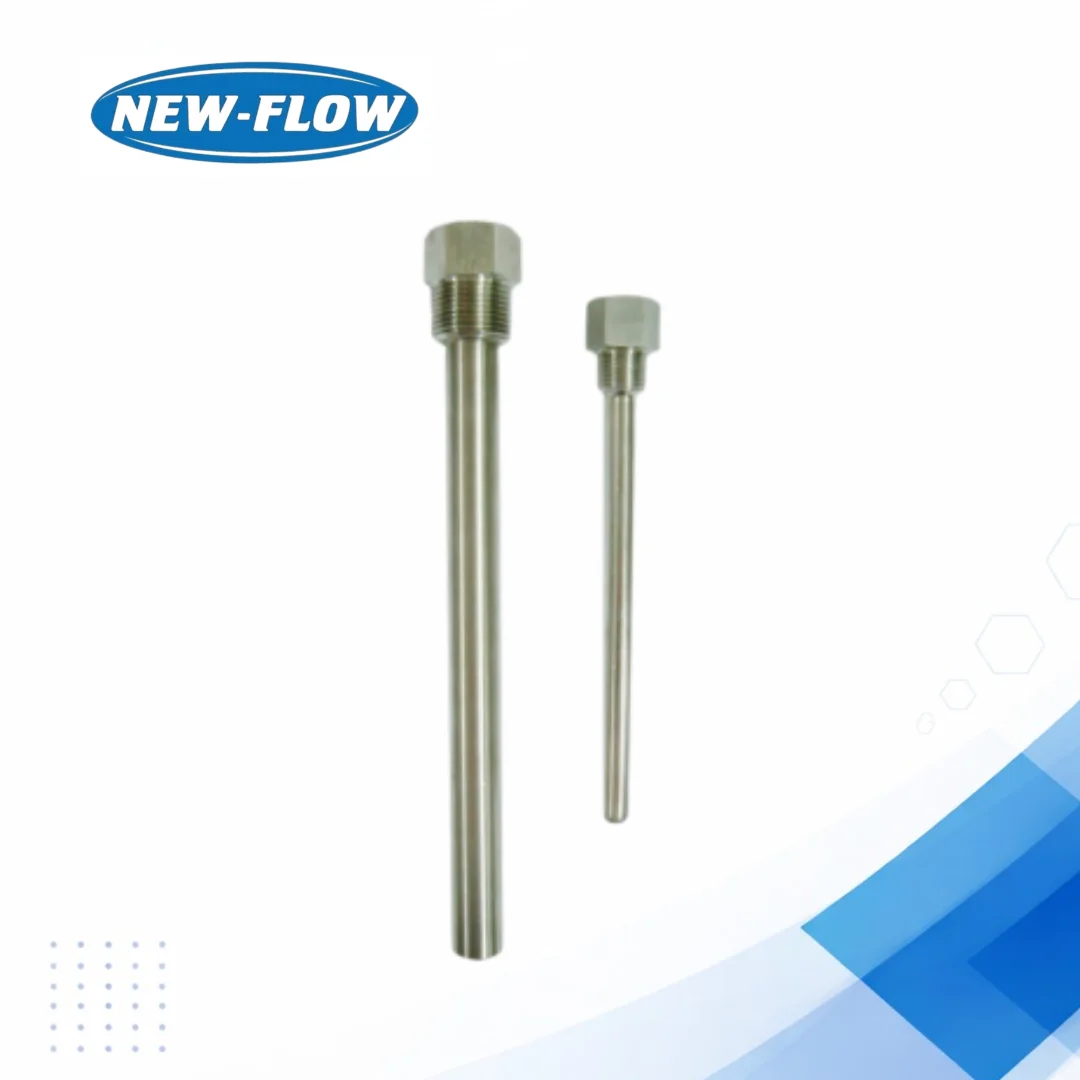
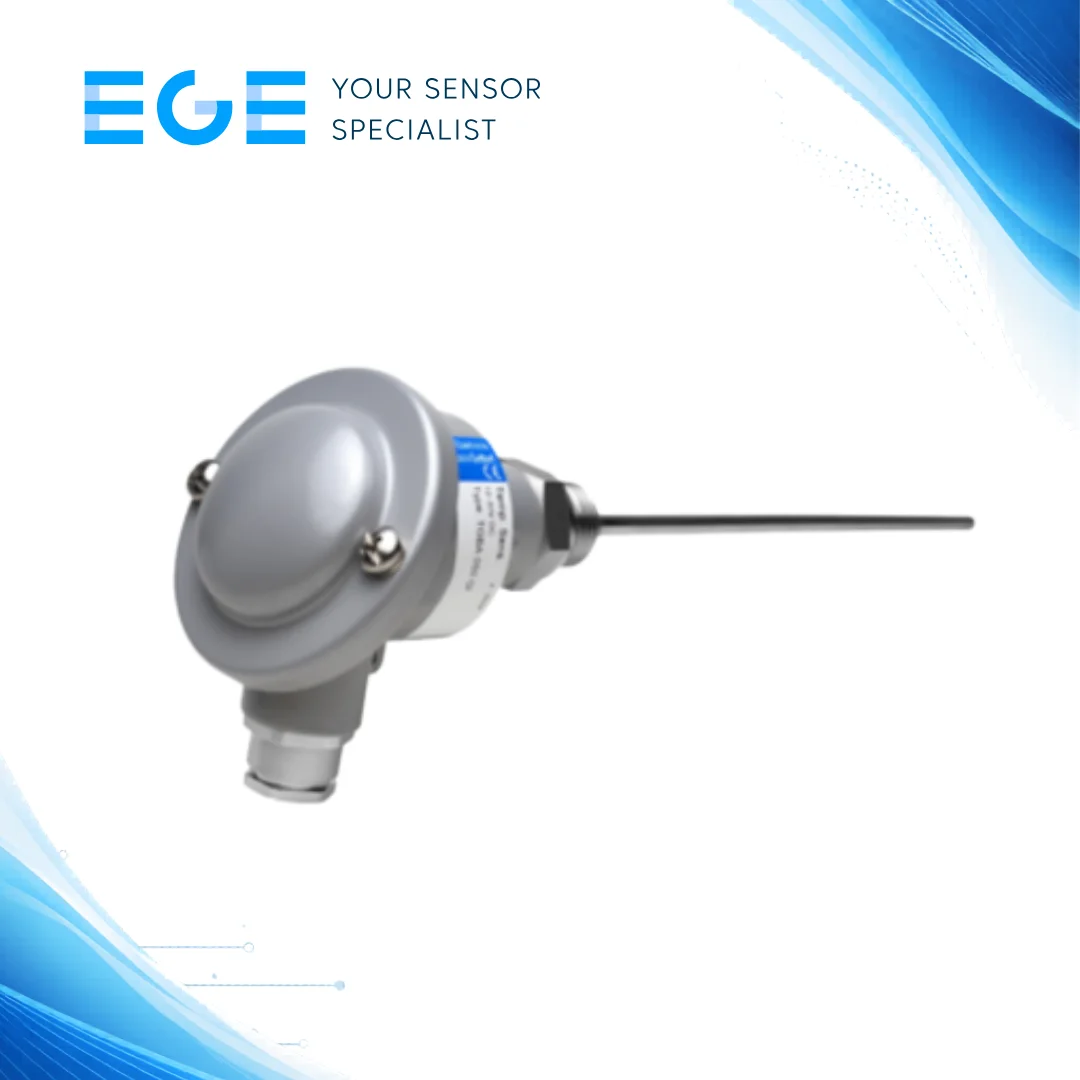
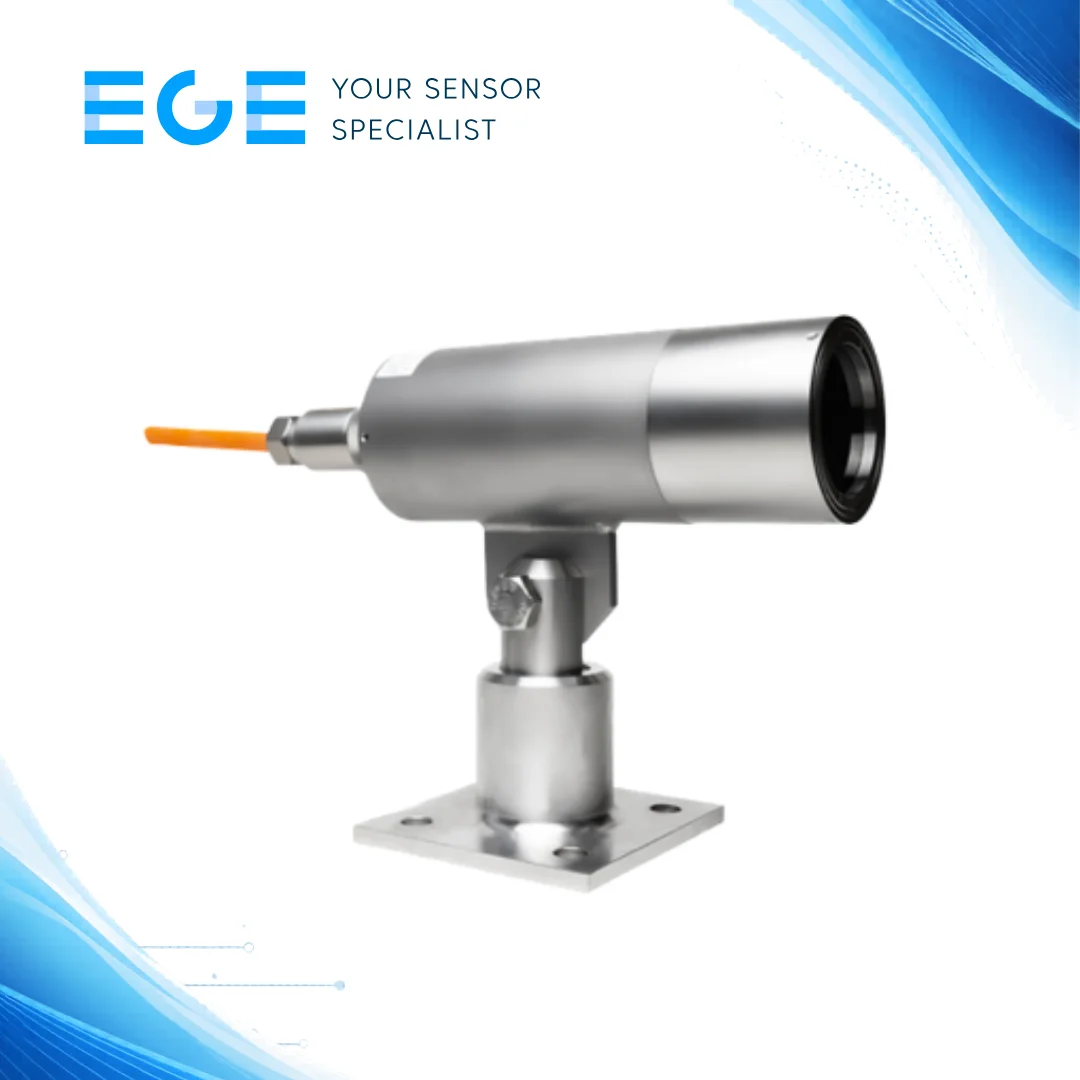
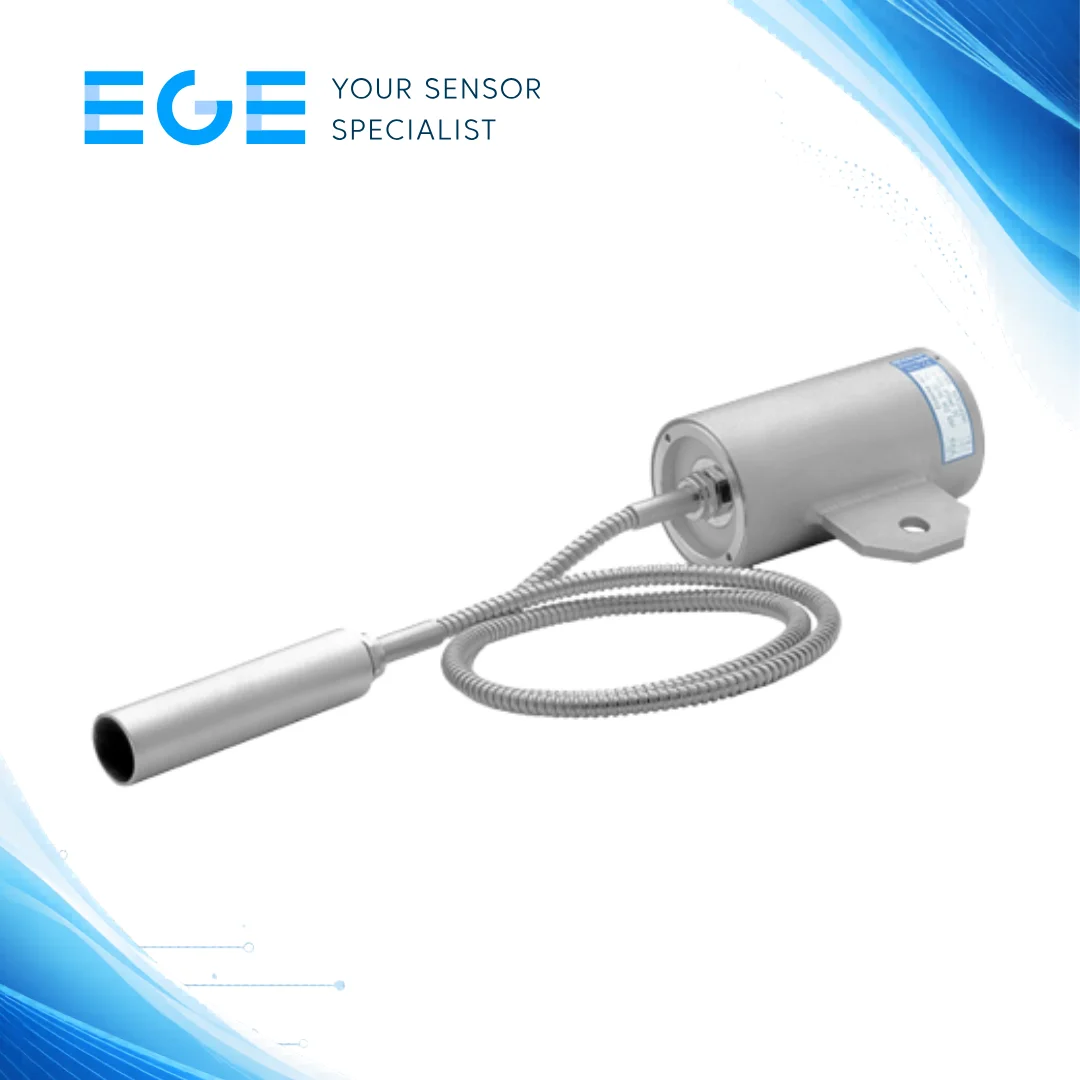
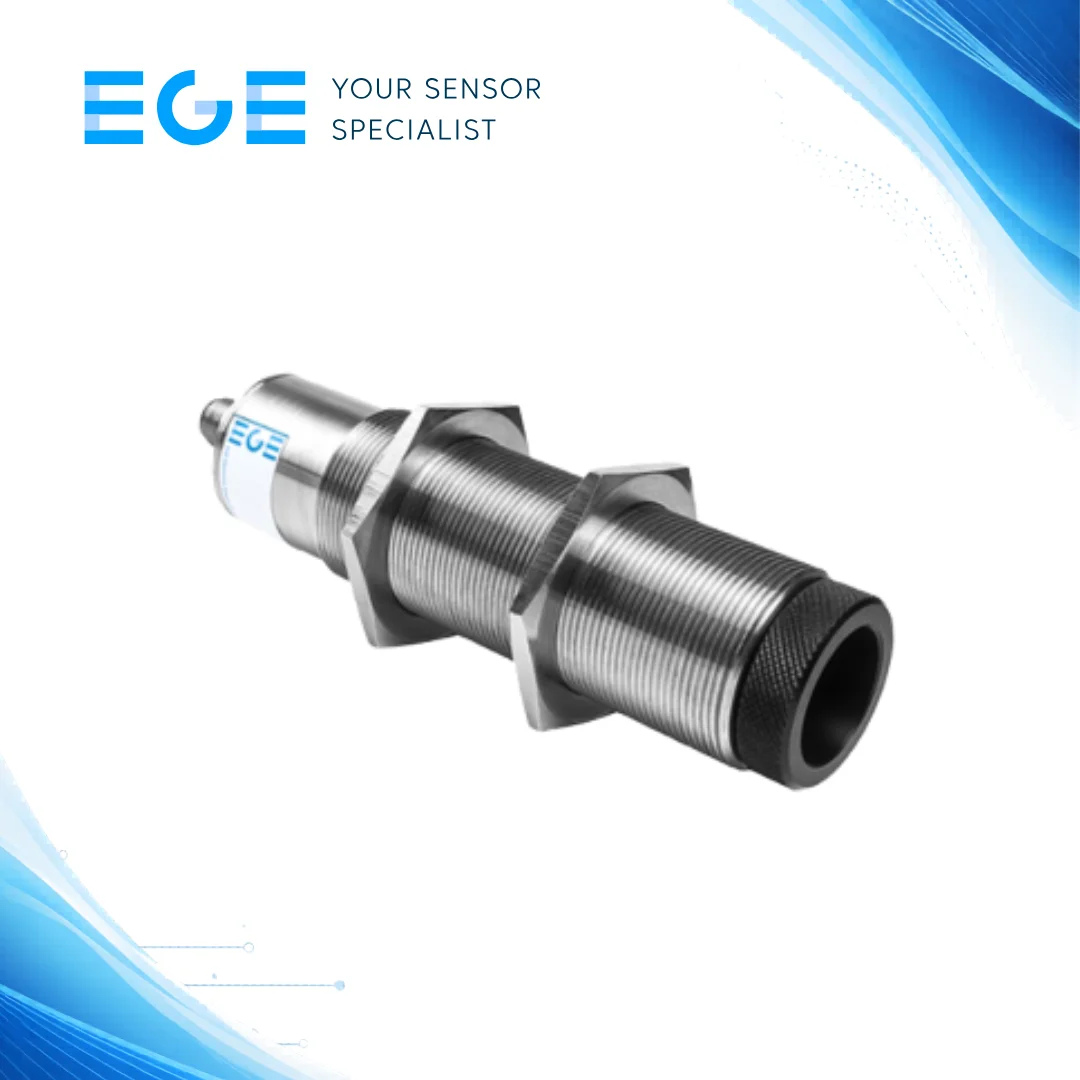
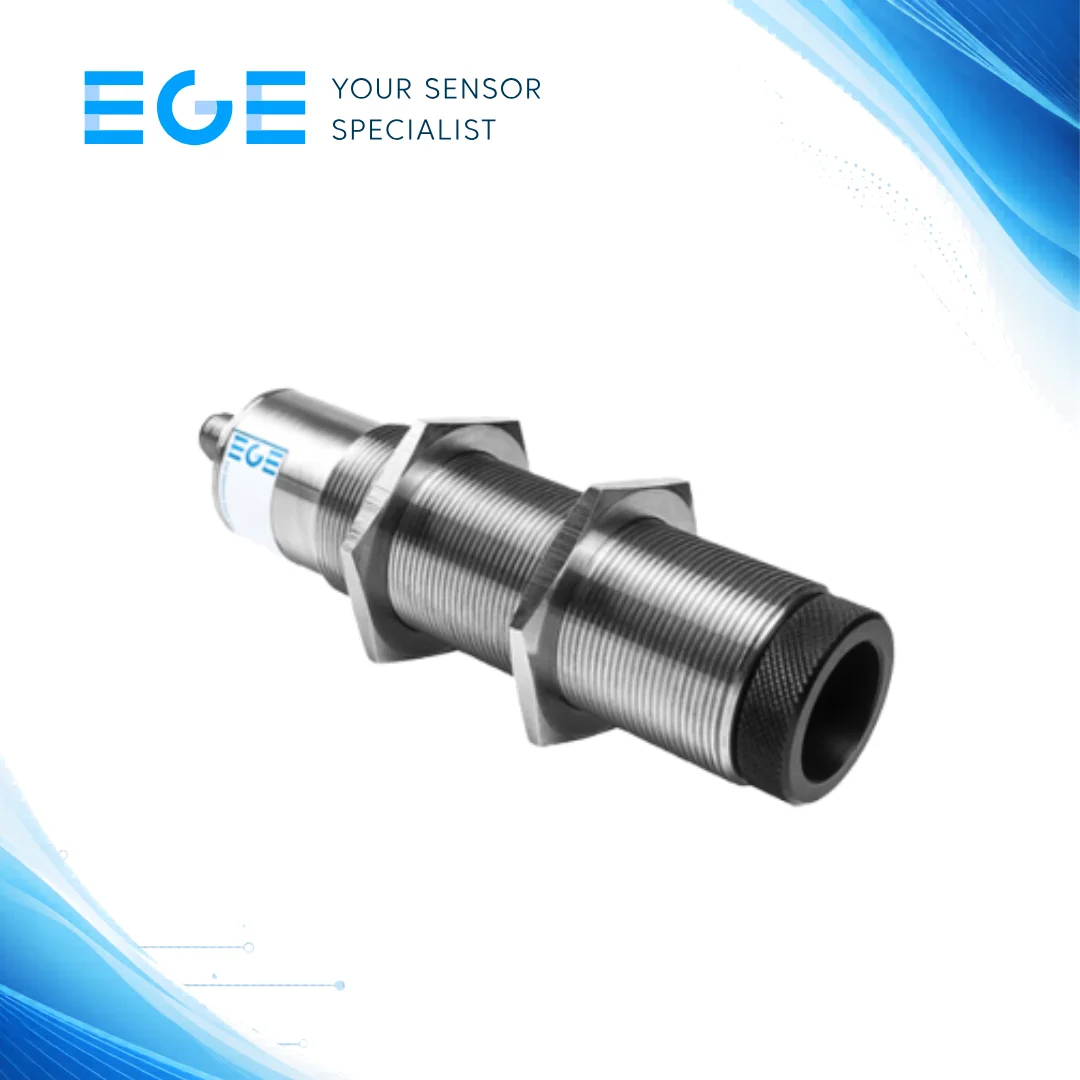
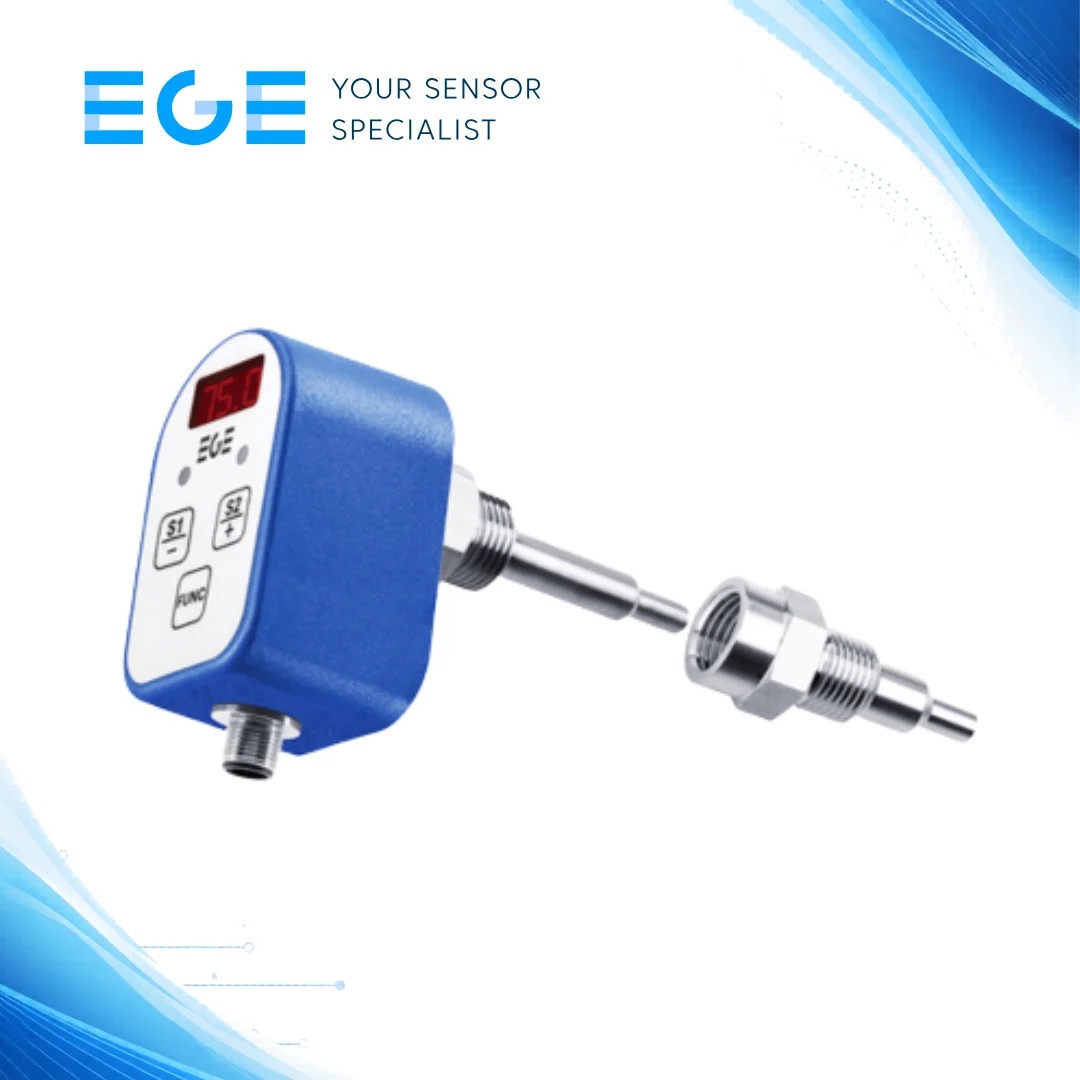
Thread thermowell is a critical component used in industrial temperature measurement systems to protect sensors from harsh process conditions. Designed with threaded connections, it enables secure installation while shielding temperature probes from pressure, corrosion, and mechanical stress. This makes it essential for industries requiring reliable and continuous thermal monitoring.
Key Features
- Strong threaded connection for secure installation
- High resistance to pressure and corrosive environments
- Protects sensors from fluid flow and mechanical damage
- Compatible with various industrial temperature sensors
- Durable construction for long operational life
Application
Thread thermowells are widely used in industries such as oil and gas, chemical processing, power generation, and manufacturing plants. They are installed in pipelines, tanks, and reactors where direct exposure of sensors could lead to damage or inaccurate readings. These thermowells ensure safe temperature measurement in high-pressure and high-flow environments.
Design & Functionality
The threaded thermowell acts as a protective barrier between the sensor and the process medium. It allows sensors to be inserted and removed without interrupting system operation. Its robust design ensures efficient heat transfer while maintaining mechanical strength.
Total Crossed Beams
Engineered with structural stability, the thermowell maintains consistent performance even under fluctuating pressure and temperature conditions. Its design minimizes vibration impact and enhances durability.
Beam Pitch Options
Thread thermowells are available in various dimensional configurations to suit different process requirements. Customization options allow compatibility with diverse installation standards and system designs.
Intrinsic Synchronism
The thermowell ensures synchronized heat transfer between the process medium and the sensor, enabling accurate and real-time temperature readings without direct exposure.
Operational Advantages
- Enhances sensor lifespan by preventing direct contact with harsh media
- Reduces downtime by allowing sensor replacement without shutdown
- Improves safety in high-pressure systems
- Ensures consistent and accurate temperature monitoring