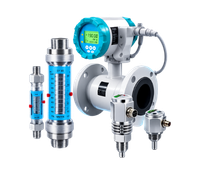
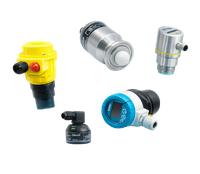
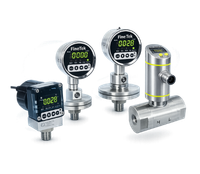
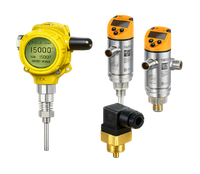
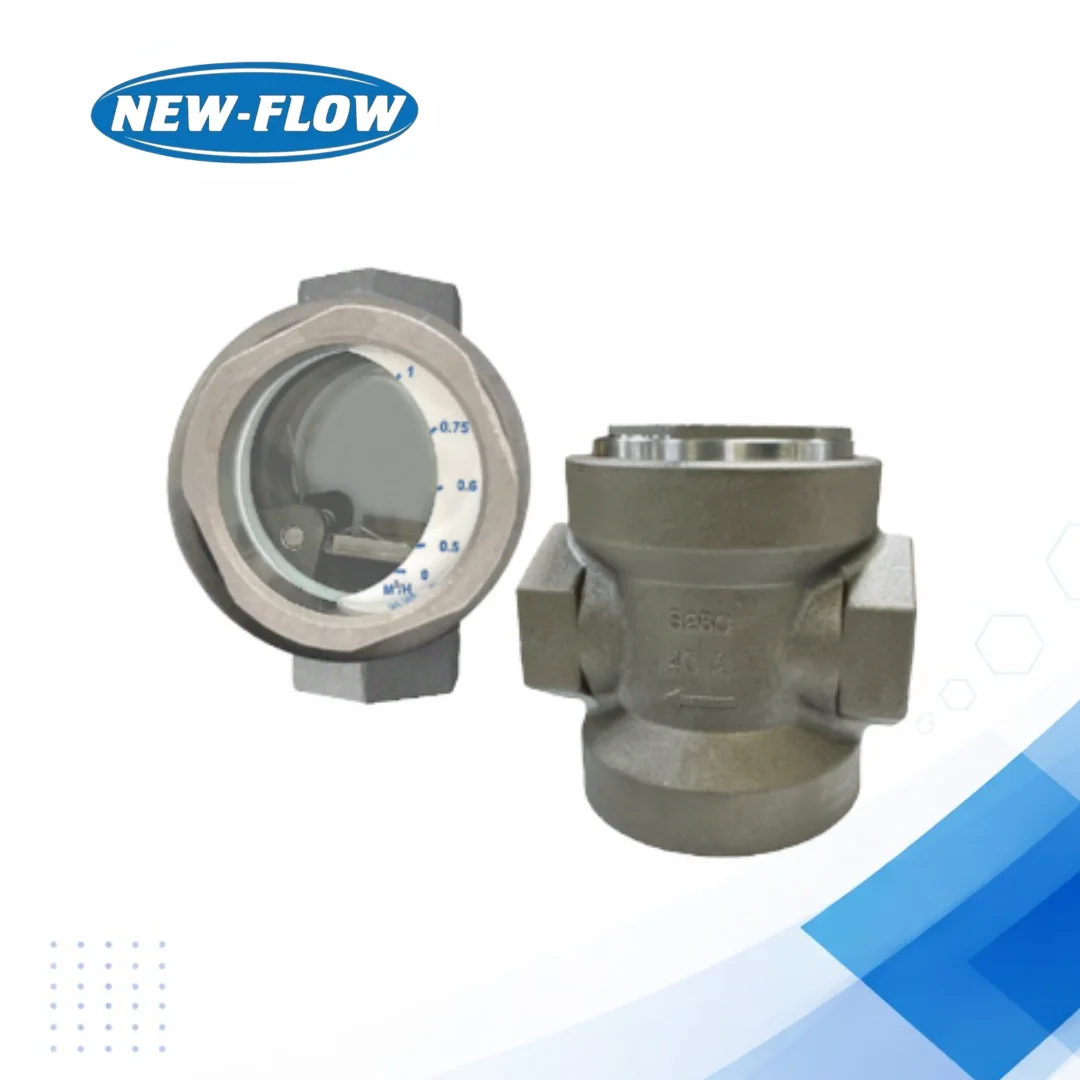
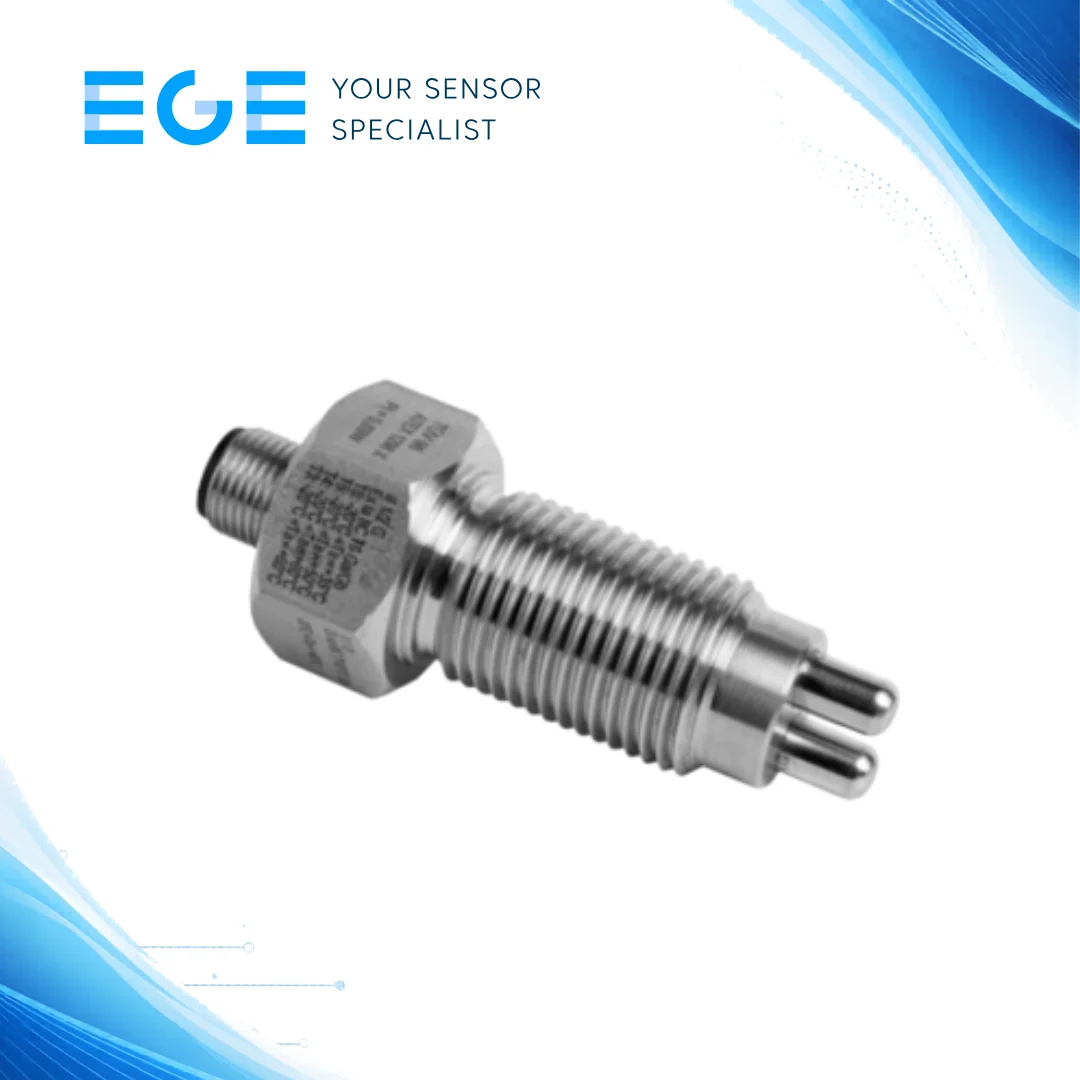
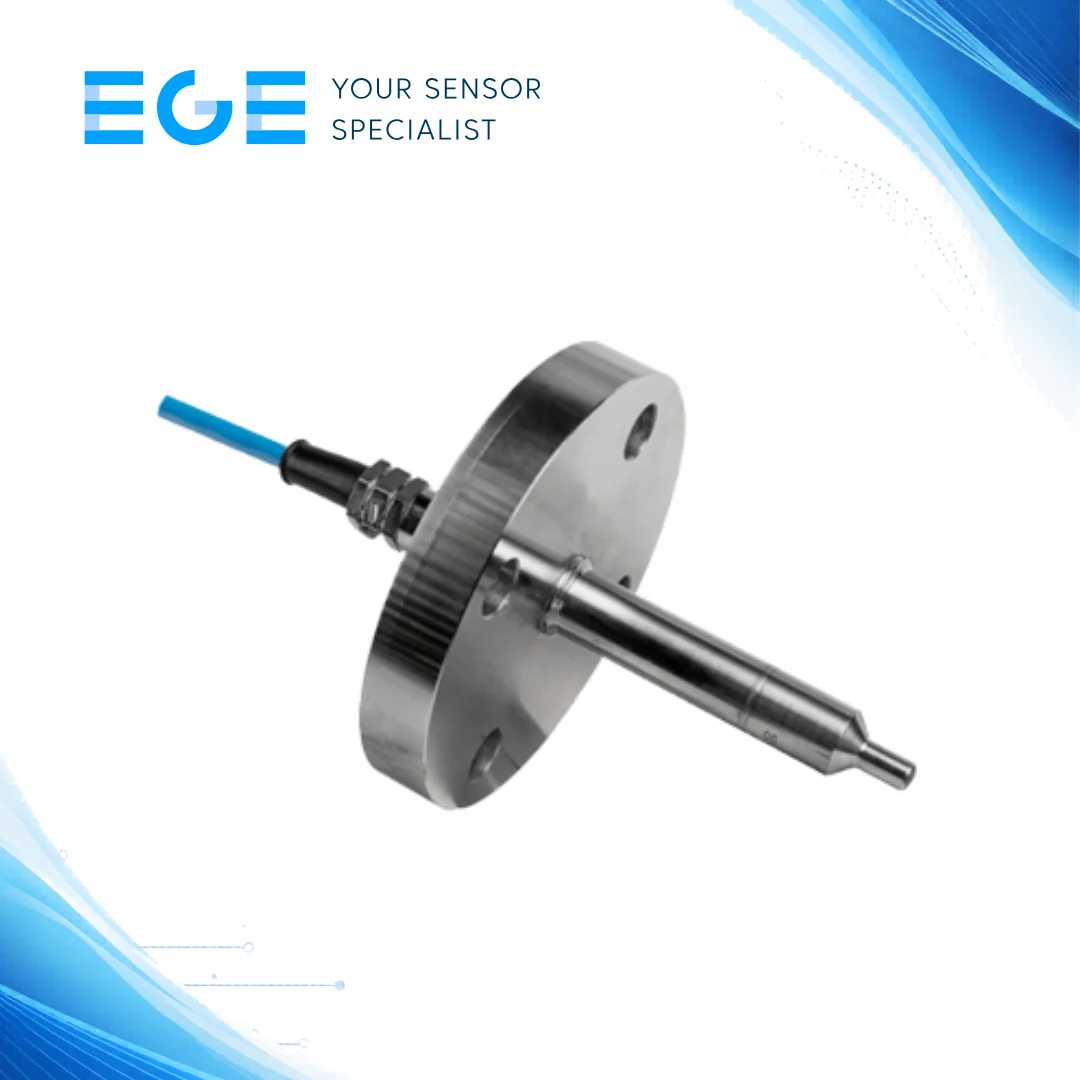
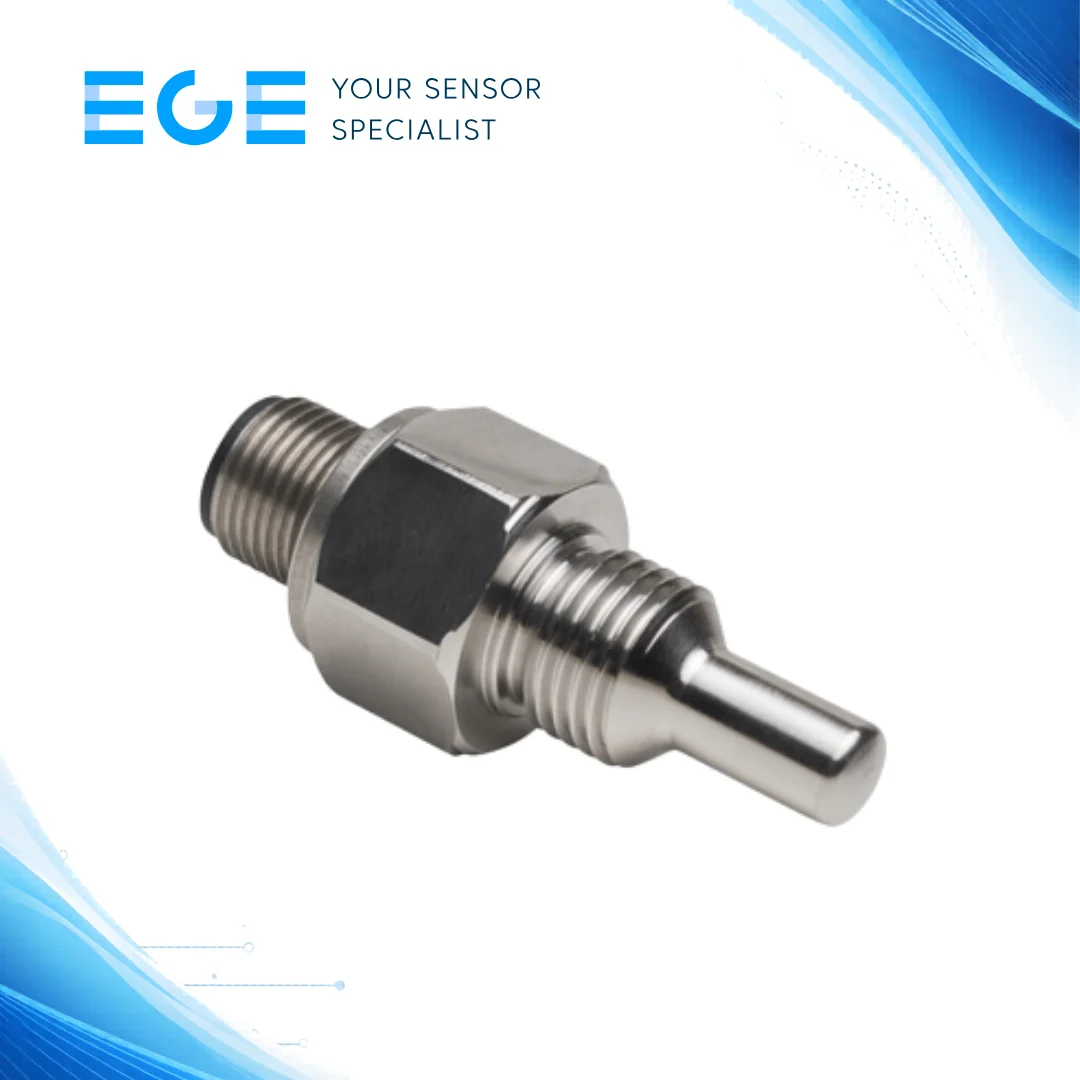
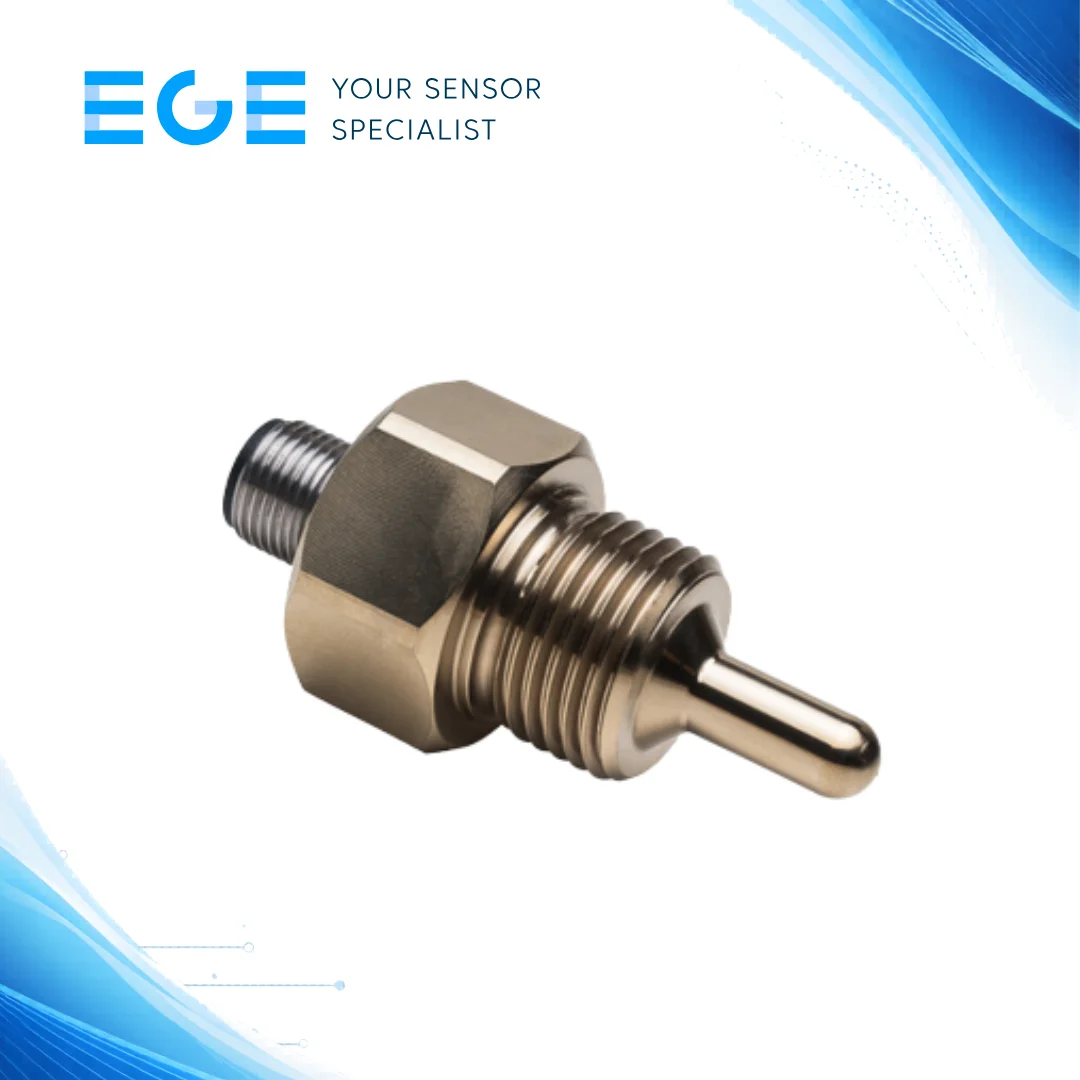
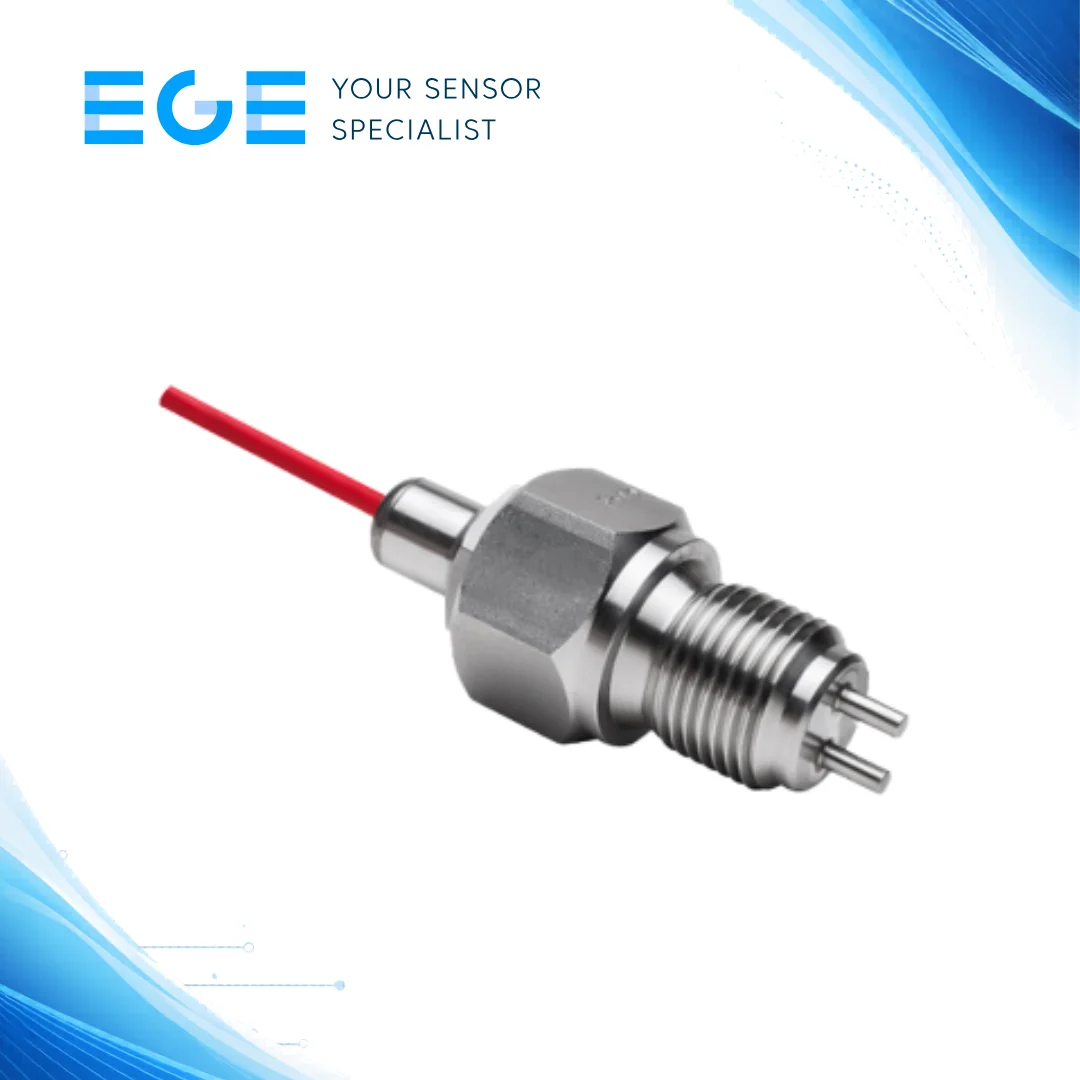
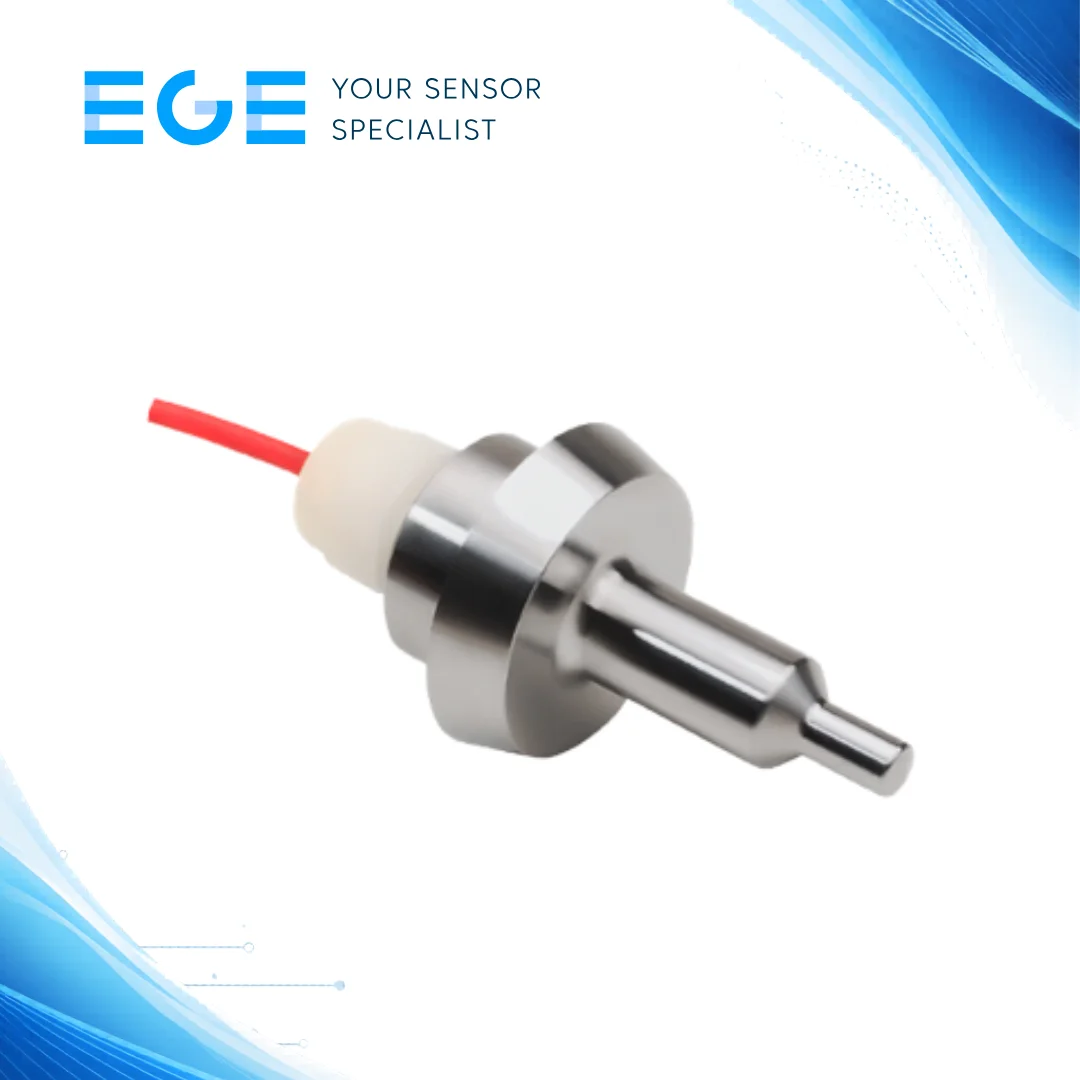
The Sight Glass Gauge TAC is an essential industrial instrument designed for accurate and real-time liquid level observation. It enables operators to visually monitor fluids within tanks, vessels, and pipelines, ensuring process transparency and operational control. Built for reliability, this gauge enhances safety and efficiency across a wide range of industrial applications.
Key Features
- High clarity glass for precise level visibility
- Durable construction for industrial environments
- Corrosion-resistant materials for extended lifespan
- Easy installation in pipelines and tanks
- Reliable performance under varying pressure and temperature
Application
The Sight Glass Gauge TAC is widely used in industries such as chemical processing, water treatment, oil and gas, and manufacturing. It is ideal for monitoring liquid levels in storage tanks, boilers, reactors, and pipelines. This gauge helps operators maintain optimal fluid levels, preventing overflow, leakage, or system inefficiencies.
Design & Functionality
Designed for direct visual inspection, the gauge allows users to instantly verify liquid presence, flow condition, and level accuracy. Its transparent viewing section ensures clear observation, while the robust housing protects against environmental and operational stress. The design supports continuous monitoring without interrupting system operation.
Total Crossed Beams
The structure ensures uniform visibility across the viewing section, allowing accurate level assessment without distortion. This enhances operator confidence and reduces the risk of misinterpretation.
Beam Pitch Options
Optimized spacing within the gauge design ensures consistent readability and improved visual clarity, even in dynamic fluid conditions.
Intrinsic Synchronism
The gauge operates seamlessly with system flow, providing synchronized and real-time level indication without lag or delay.
Operational Advantages
Using the Sight Glass Gauge TAC improves process control, reduces downtime, and enhances safety. It minimizes the need for manual inspection, lowers maintenance costs, and ensures compliance with industrial monitoring standards. Its dependable performance makes it a critical component for efficient fluid management systems.