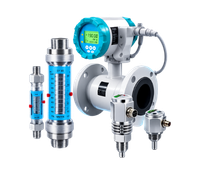
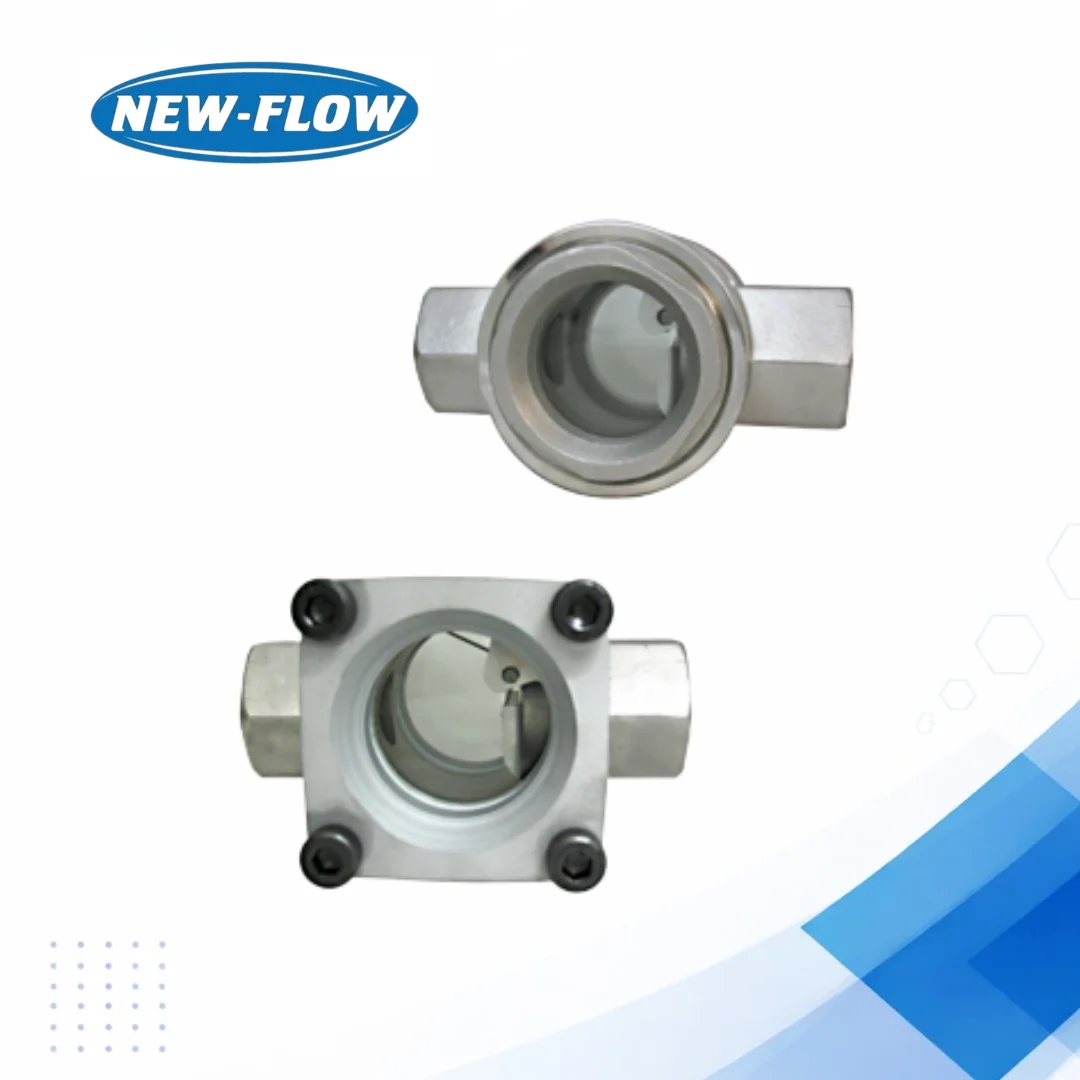
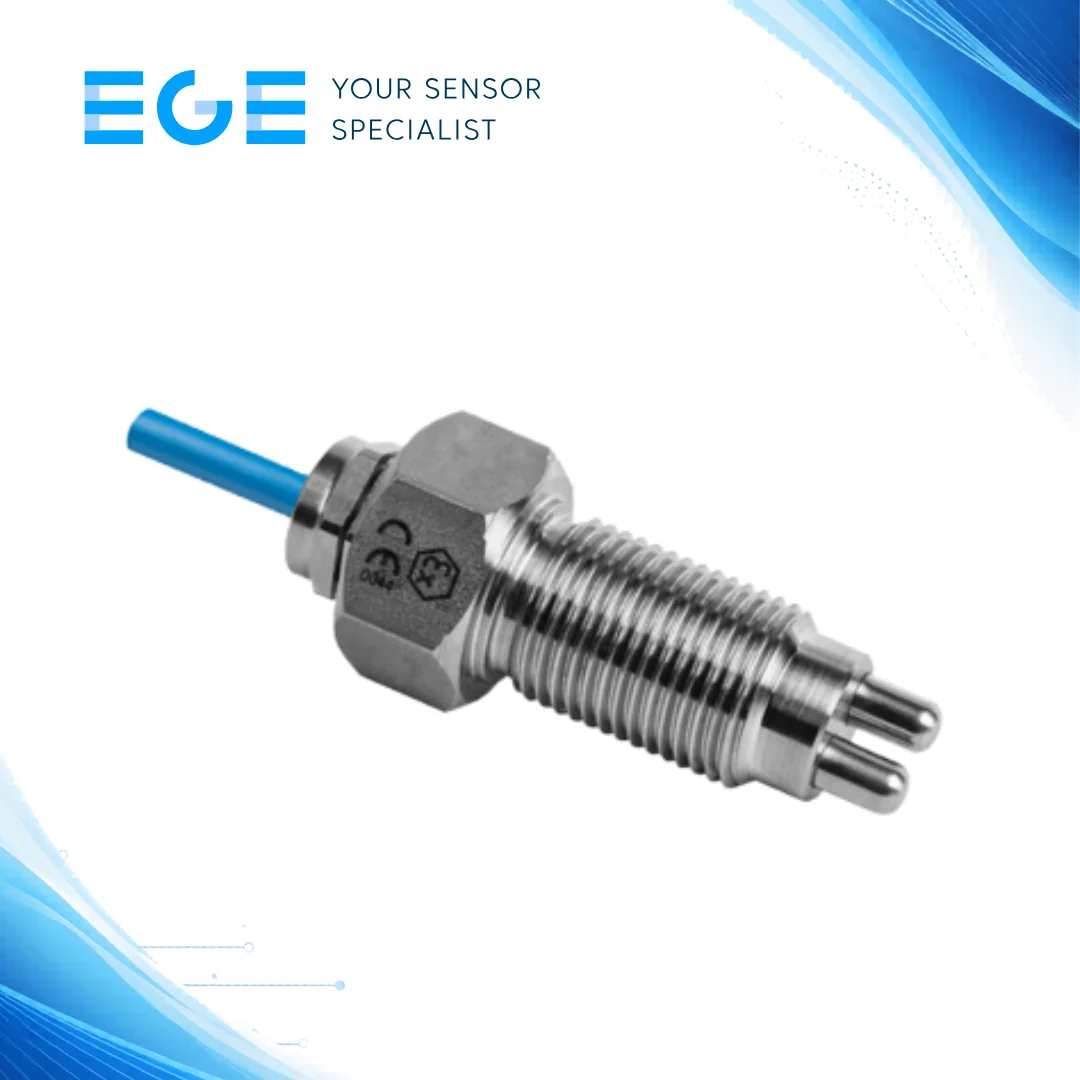
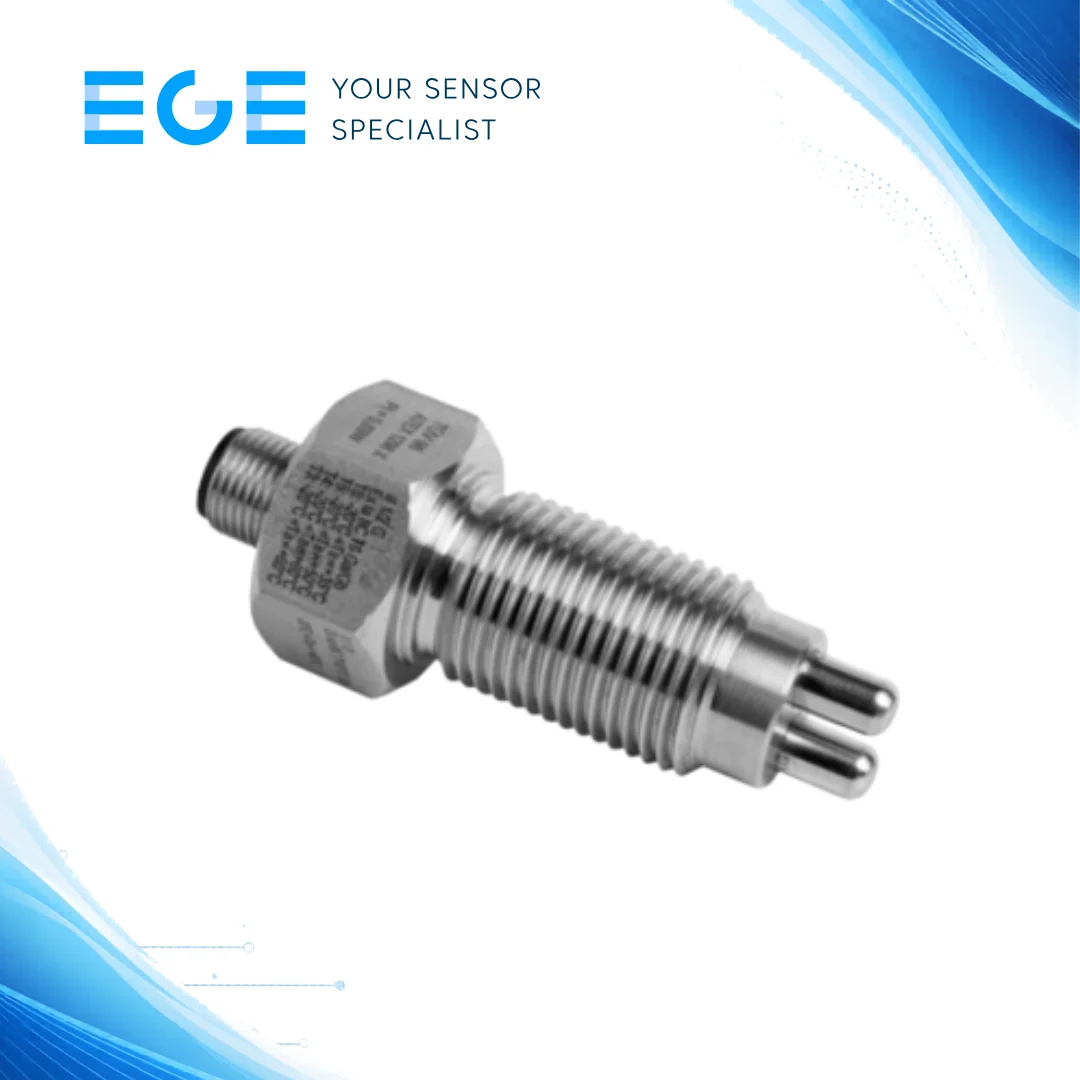
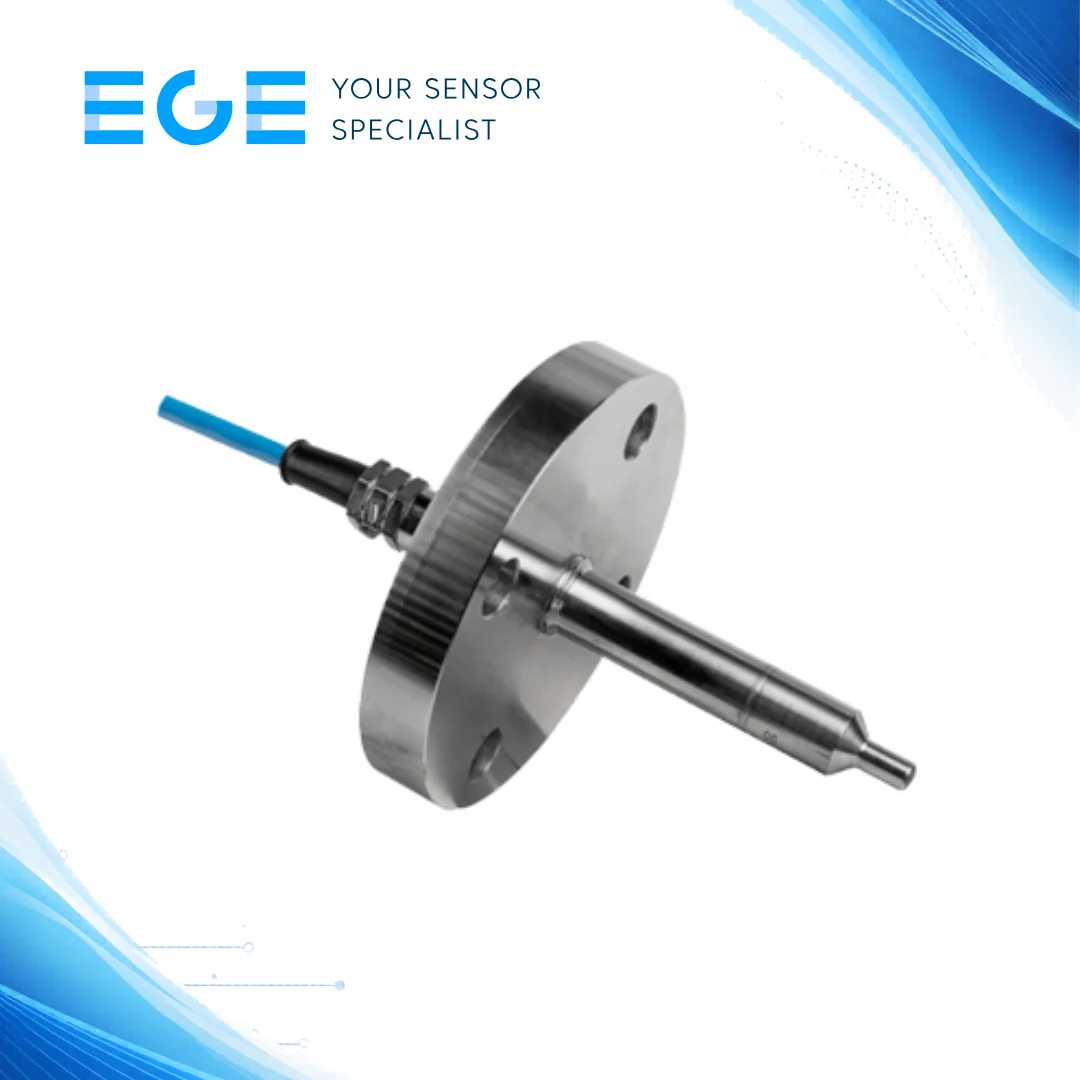
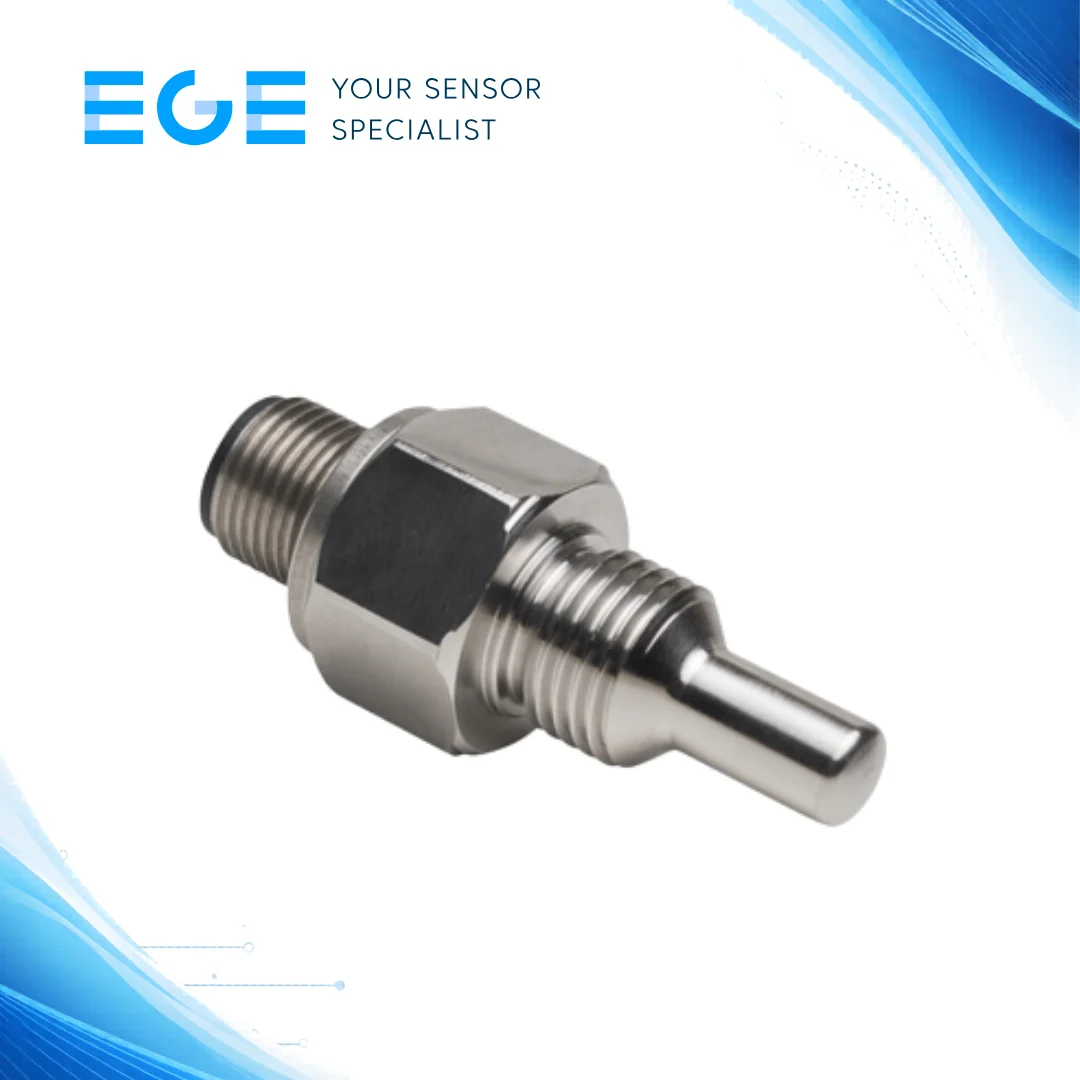
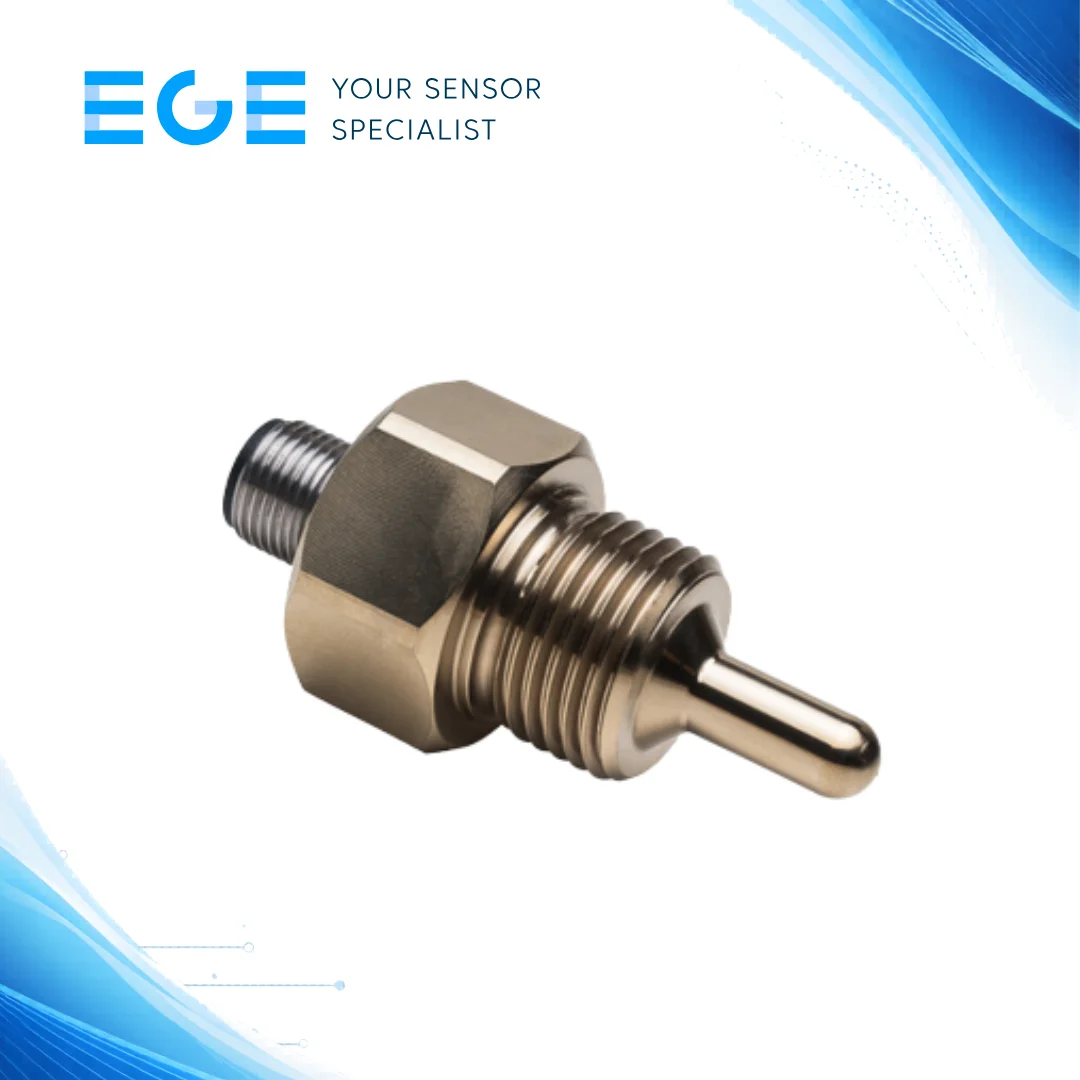
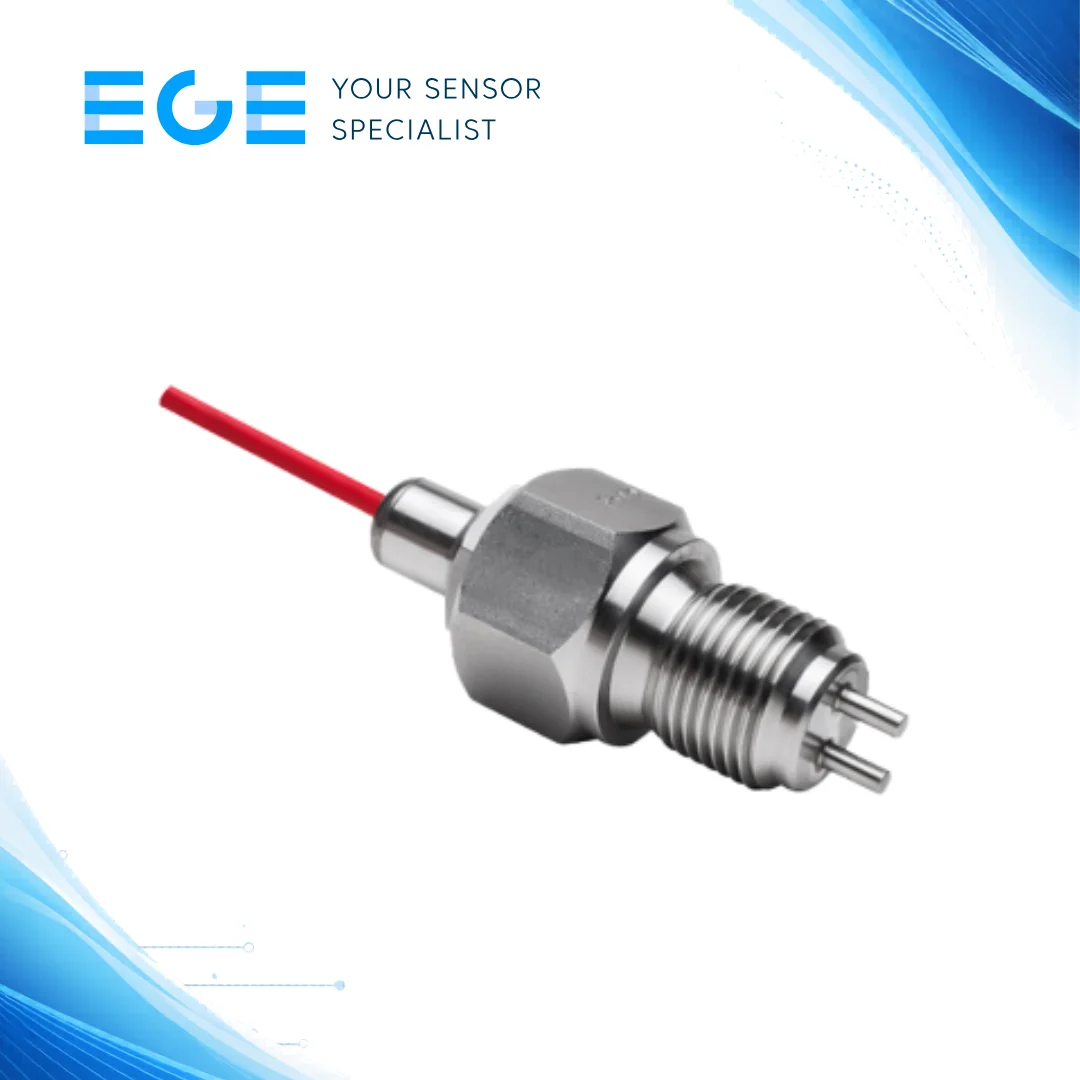
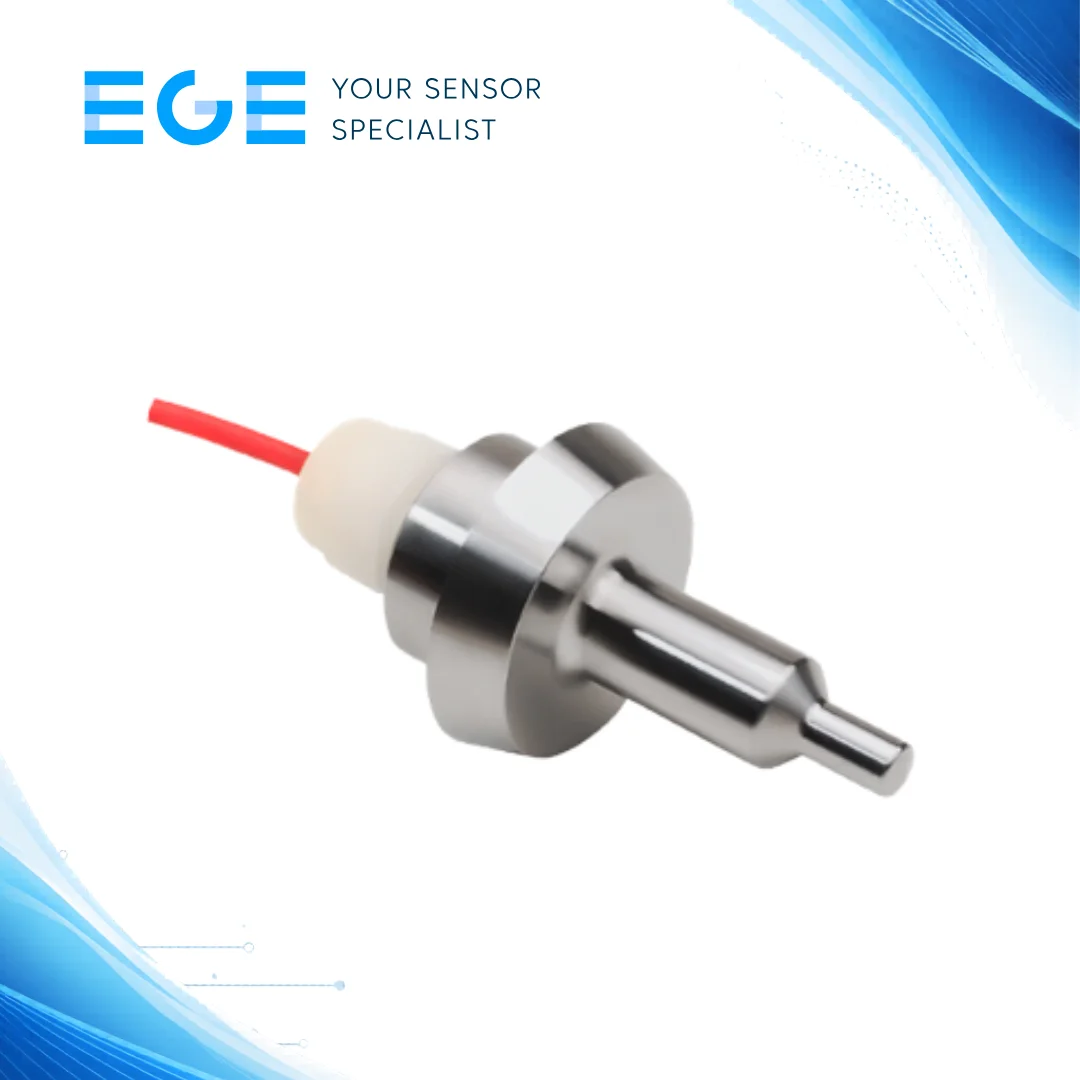
The T-Series Sight Glass is engineered for accurate visual monitoring of fluid flow in industrial pipelines. Designed for both gas and liquid applications, this inline viewing solution enhances operational transparency and system control. It is widely used in water treatment systems, process industries, and manufacturing lines where continuous flow observation is essential for safety and efficiency.
Key Features
- Dual window design for enhanced visibility
- Spring paddle mechanism for real-time flow indication
- Corrosion-resistant stainless steel construction
- Compact inline installation for easy integration
- Suitable for both gas and liquid flow systems
Application
This sight glass is ideal for industrial sectors such as water treatment, chemical processing, and fluid handling systems. It helps operators visually confirm flow conditions, detect irregularities, and ensure uninterrupted process operations. It is especially useful in systems where monitoring transparency reduces downtime and maintenance risks.
Design & Functionality
The T-Series incorporates a double-window configuration that allows clear observation from multiple angles. The internal spring paddle reacts instantly to flow changes, providing immediate visual confirmation of movement inside the pipeline. Its robust stainless steel body ensures long-term durability even in demanding environments.
Total Crossed Beams
The internal paddle mechanism acts as a dynamic indicator, ensuring consistent visibility of flow direction and movement. This improves monitoring accuracy compared to static viewing designs.
Beam Pitch Options
The optimized internal spacing allows smooth flow passage while maintaining visibility, ensuring minimal pressure drop and efficient fluid movement.
Intrinsic Synchronism
The spring paddle automatically synchronizes with flow variations, delivering real-time feedback without requiring external sensors or power sources.
Operational Advantages
The T-Series Sight Glass improves process safety by enabling instant detection of flow interruptions, blockages, or irregularities. Its maintenance-friendly design reduces operational downtime while ensuring continuous monitoring. This makes it an essential component for industries focused on efficiency, reliability, and system control.