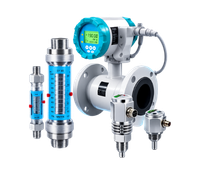
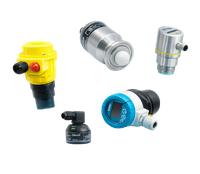
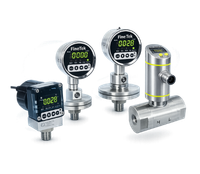
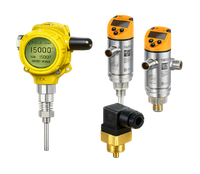
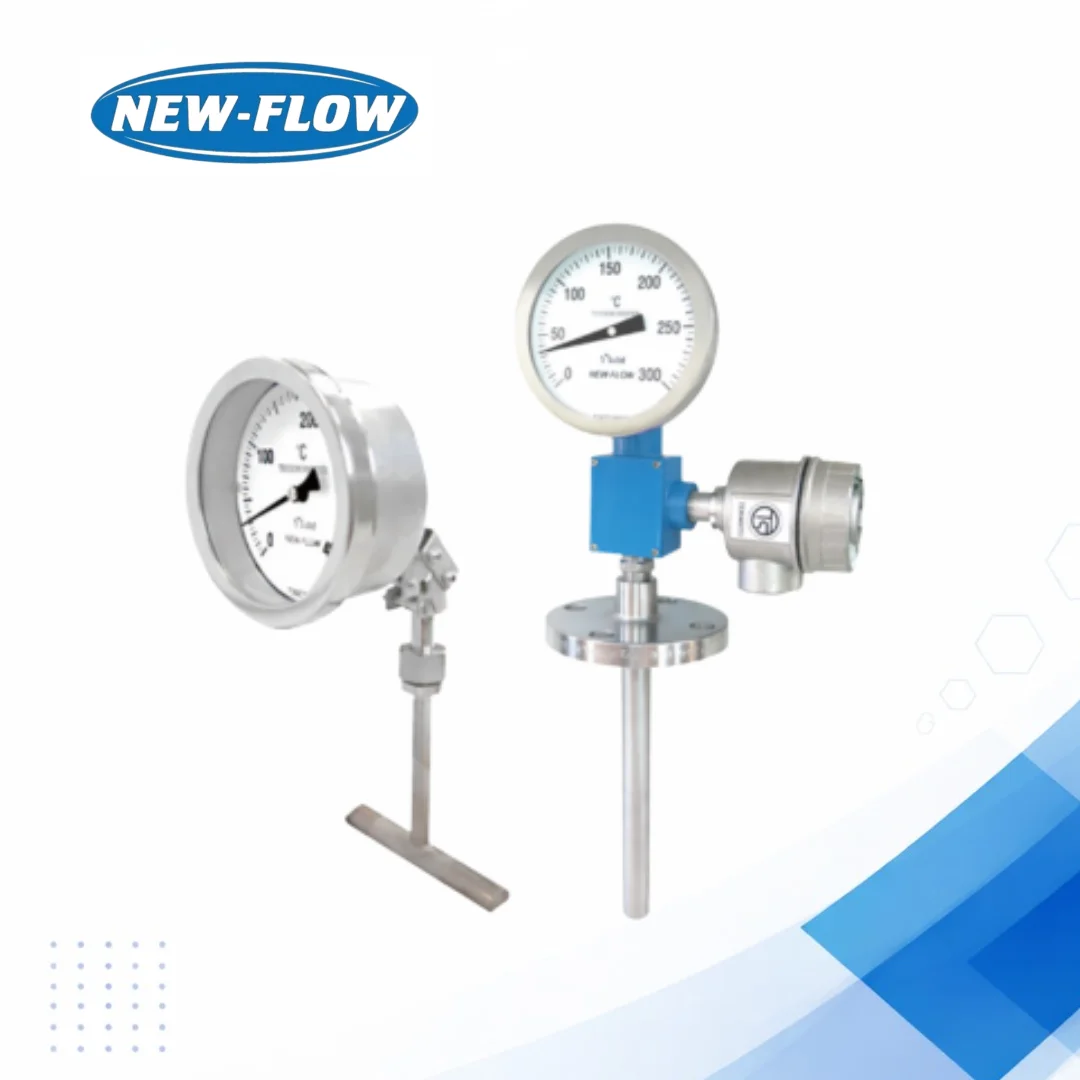
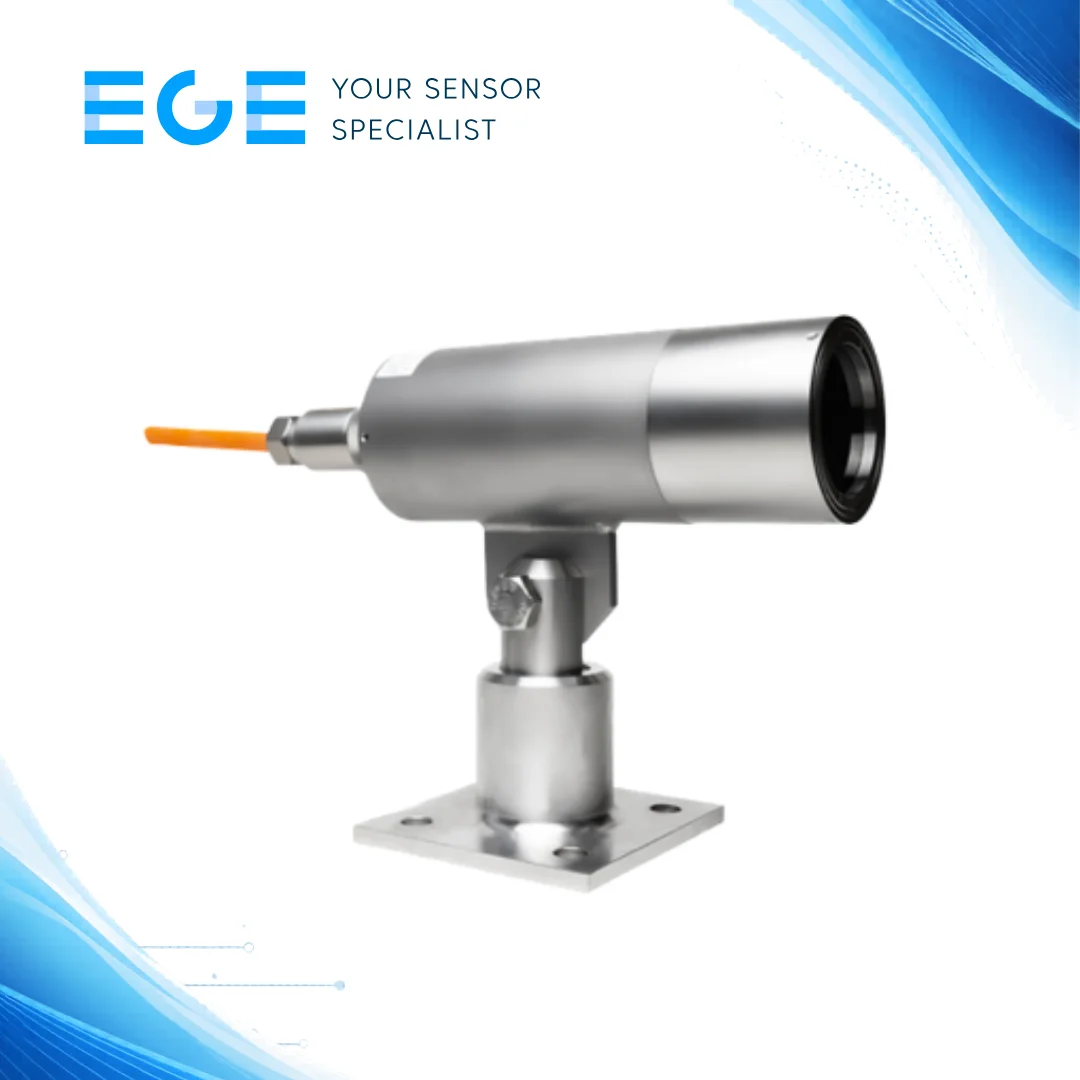
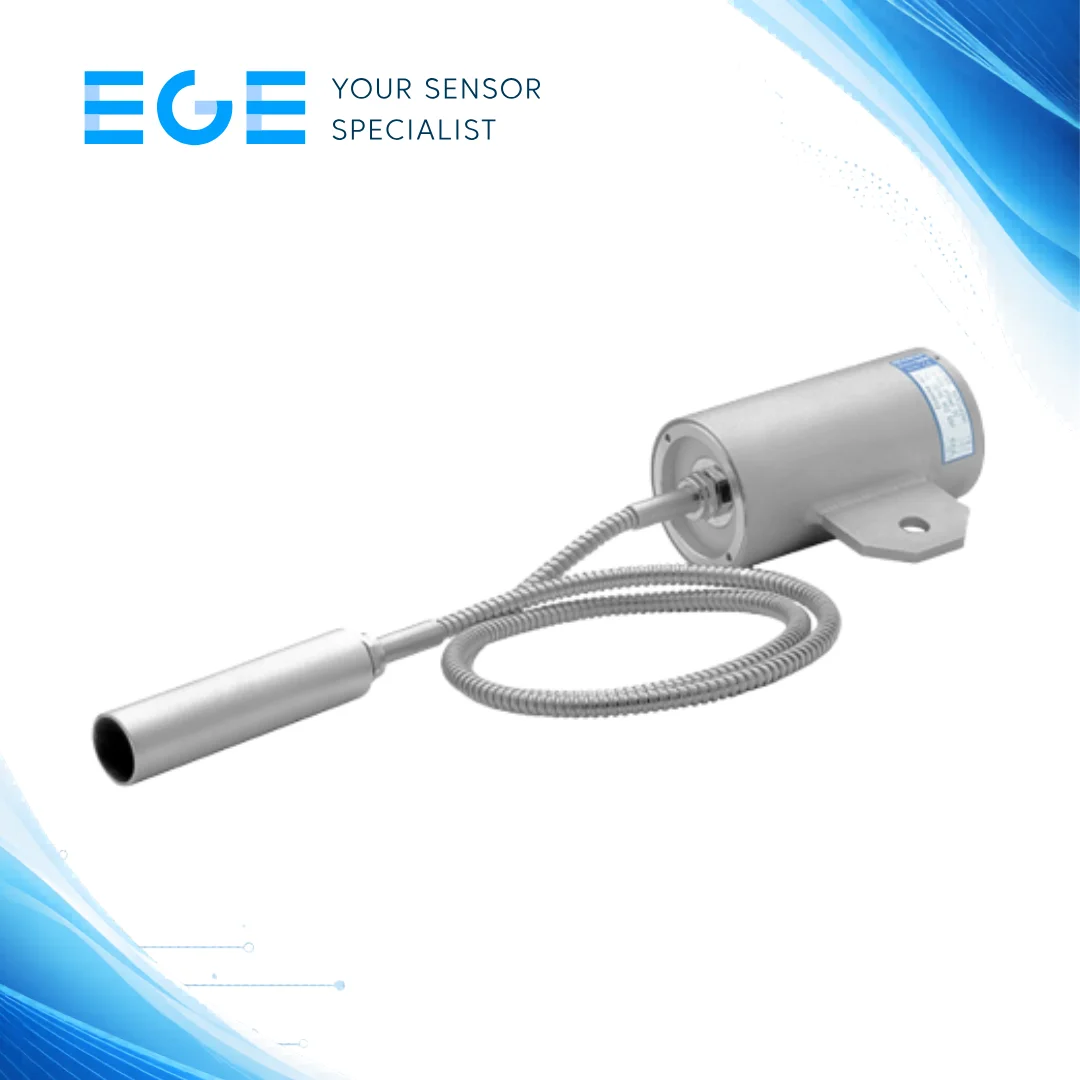
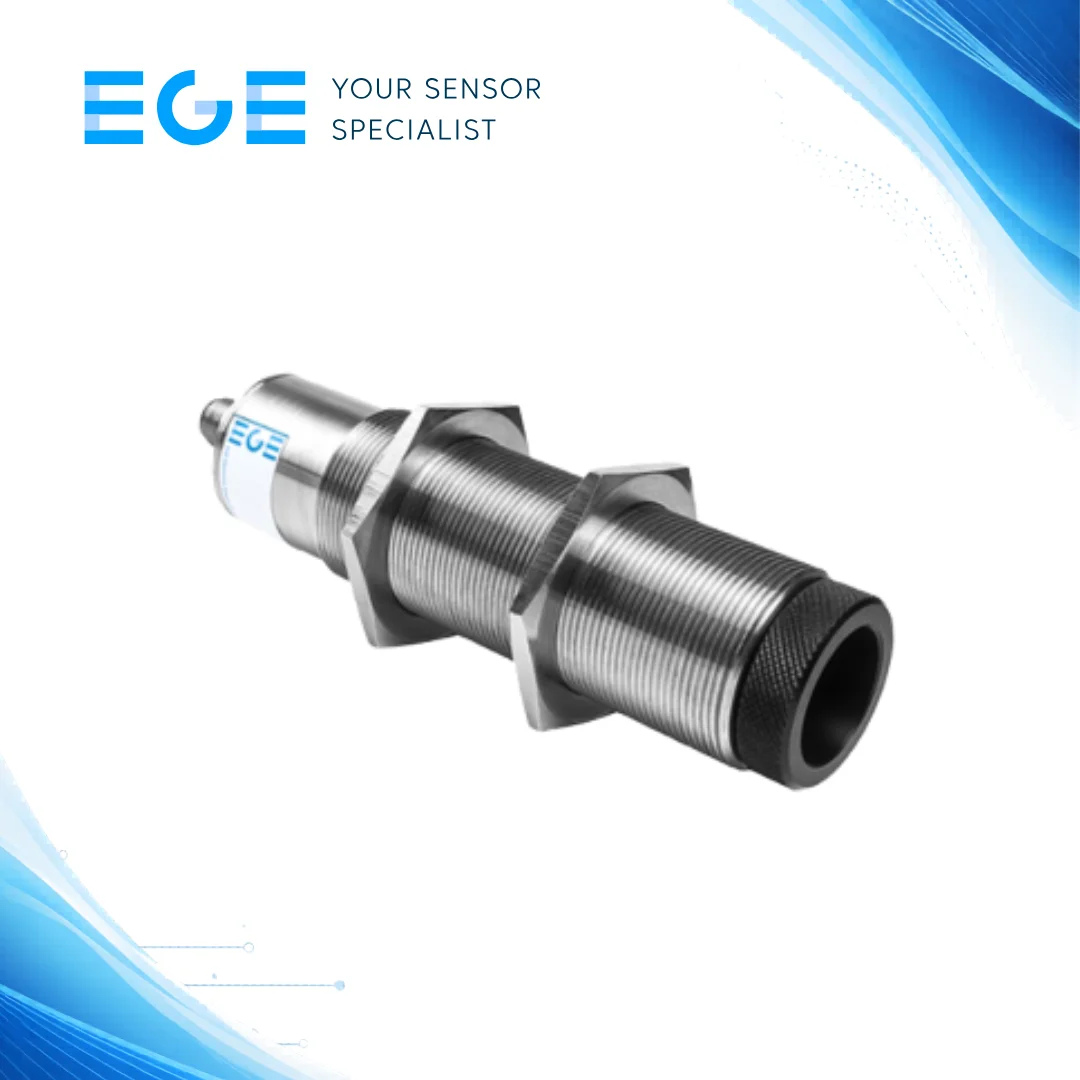
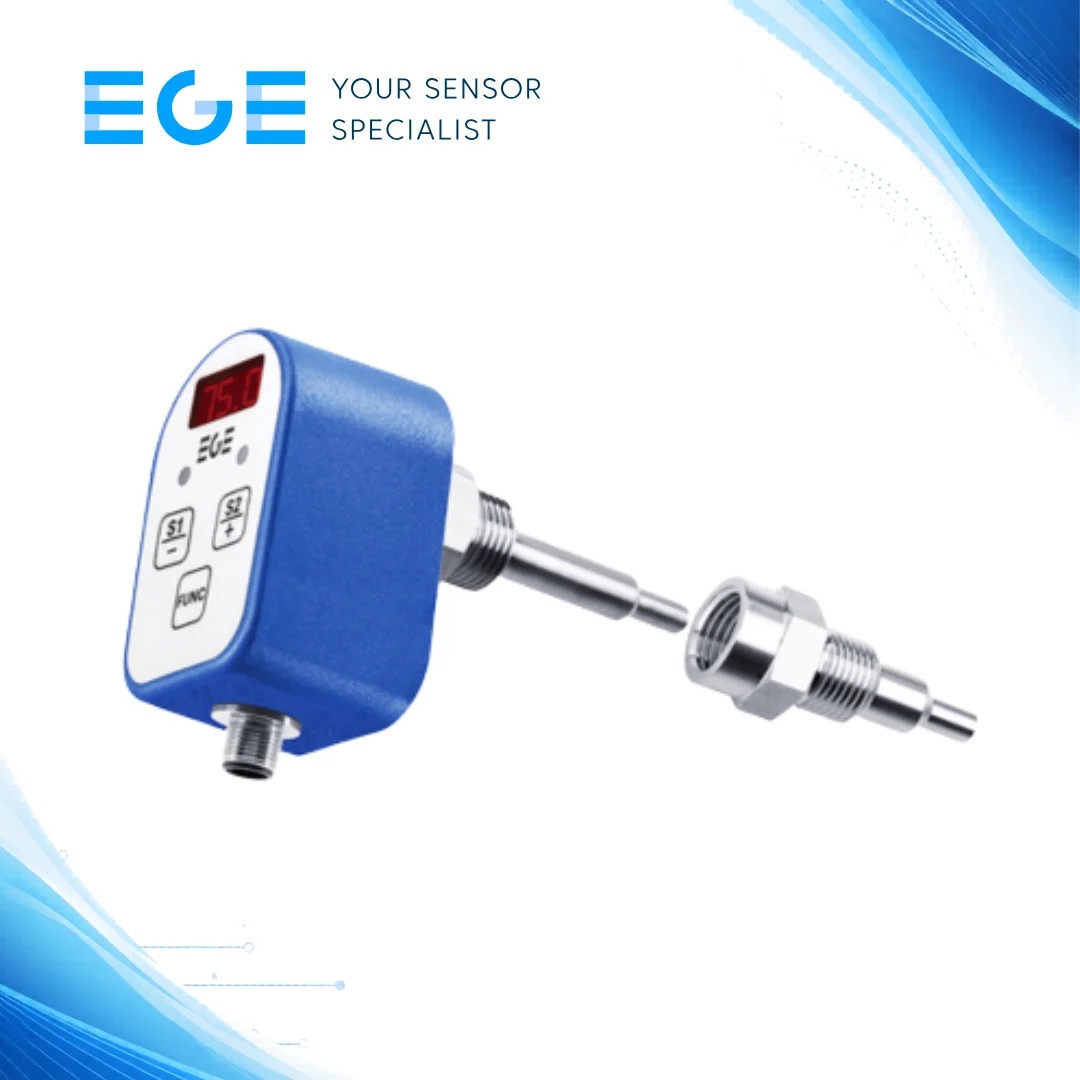
The SRG_SHG surface temperature gauge is a precision-engineered instrument developed for accurate external temperature monitoring in industrial environments. Designed to measure surface heat directly from pipes, vessels, and machinery, it eliminates the need for intrusive sensing methods. This makes it ideal for applications where internal process disruption must be avoided while maintaining reliable thermal readings.
Key Features
- High accuracy contact-based temperature sensing
- Durable construction for industrial environments
- Direct or remote mounting with capillary support
- Stable performance under varying thermal conditions
- Reliable readings for continuous monitoring
Application
This surface temperature gauge is widely used in industries such as manufacturing, oil & gas, chemical processing, and power plants. It is ideal for monitoring pipe surface temperatures, tank exteriors, and equipment housings. By providing real-time heat data, it helps prevent overheating, reduces equipment failure risks, and ensures compliance with safety standards.
Design & Functionality
The SRG_SHG operates using a contact-based sensing mechanism that captures surface heat efficiently. Its robust design ensures consistent readings even in harsh environments. The option for capillary-based remote mounting allows flexible installation, especially in hard-to-reach or high-temperature areas.
Total Crossed Beams
Engineered for structural stability, the device maintains measurement integrity through consistent contact pressure. This ensures accurate heat transfer detection from the surface to the sensing element.
Beam Pitch Options
The gauge supports adaptable mounting configurations, allowing optimal placement for different pipe diameters and surface types. This flexibility enhances usability across varied industrial setups.
Intrinsic Synchronism
The internal mechanism is calibrated for synchronized response to temperature changes, ensuring quick and accurate readings without lag. This improves monitoring precision in dynamic thermal conditions.
Operational Advantages
- Enhances safety by detecting abnormal heat levels
- Prevents equipment damage through early monitoring
- Improves energy efficiency in thermal systems
- Supports predictive maintenance strategies
- Suitable for integration with modern monitoring workflows