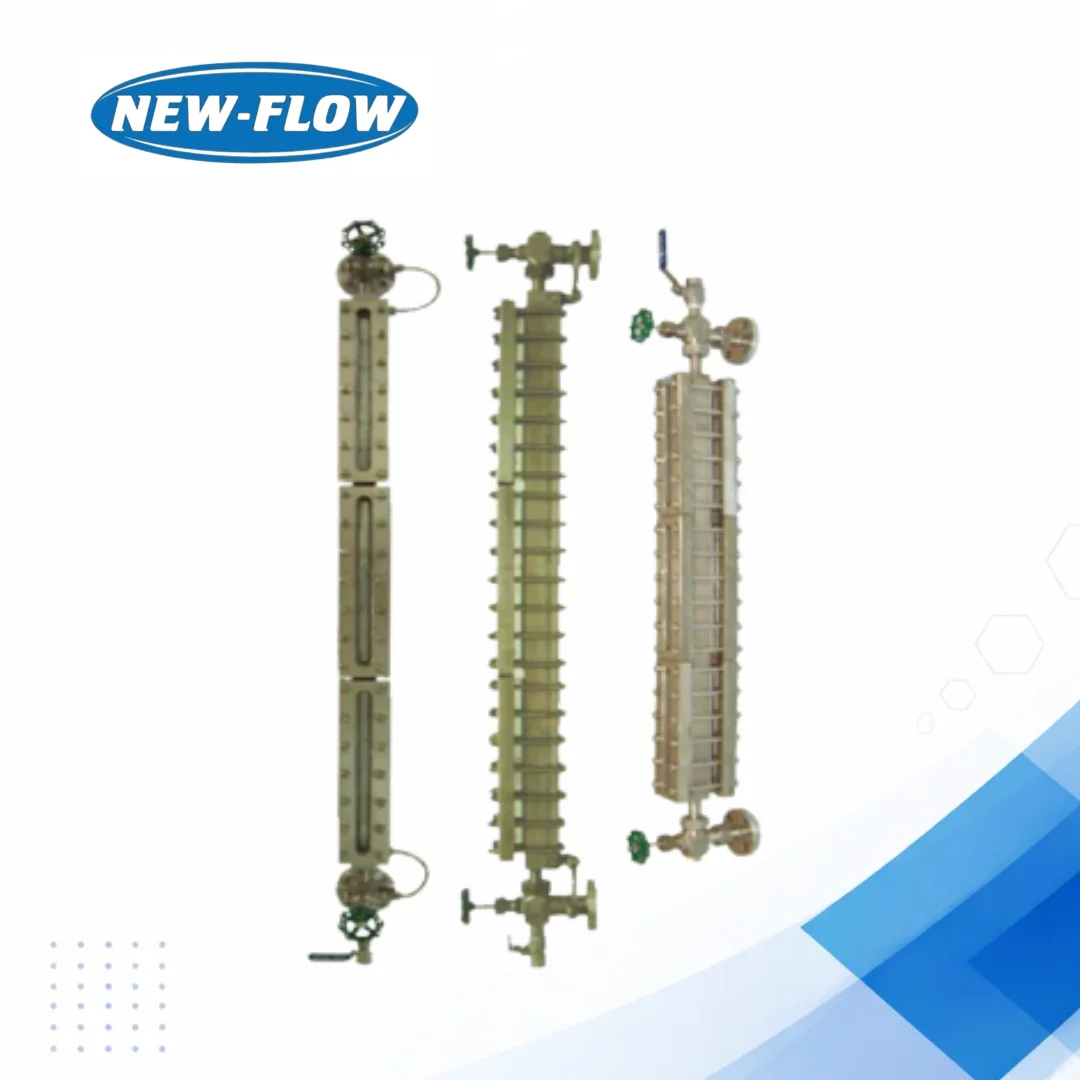
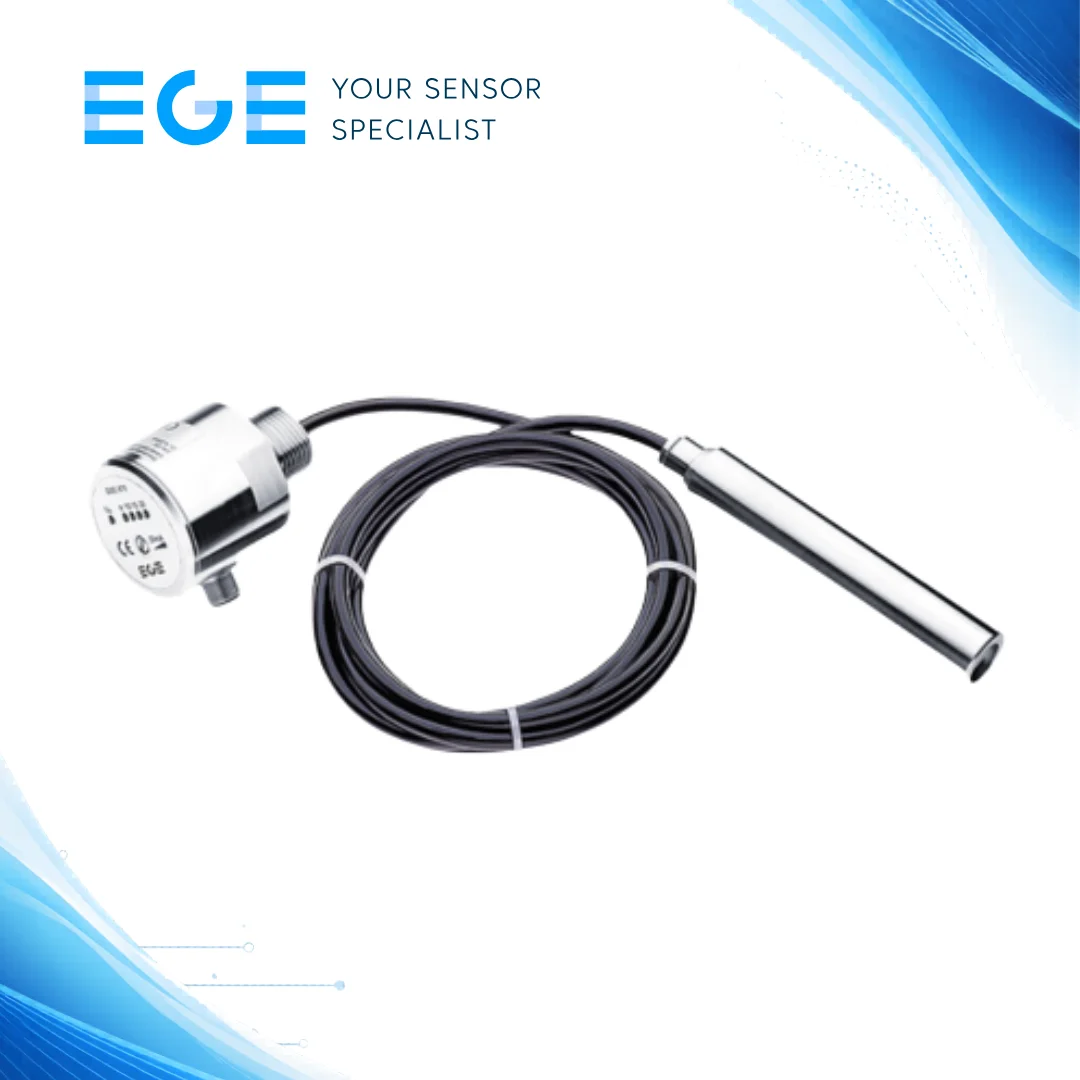
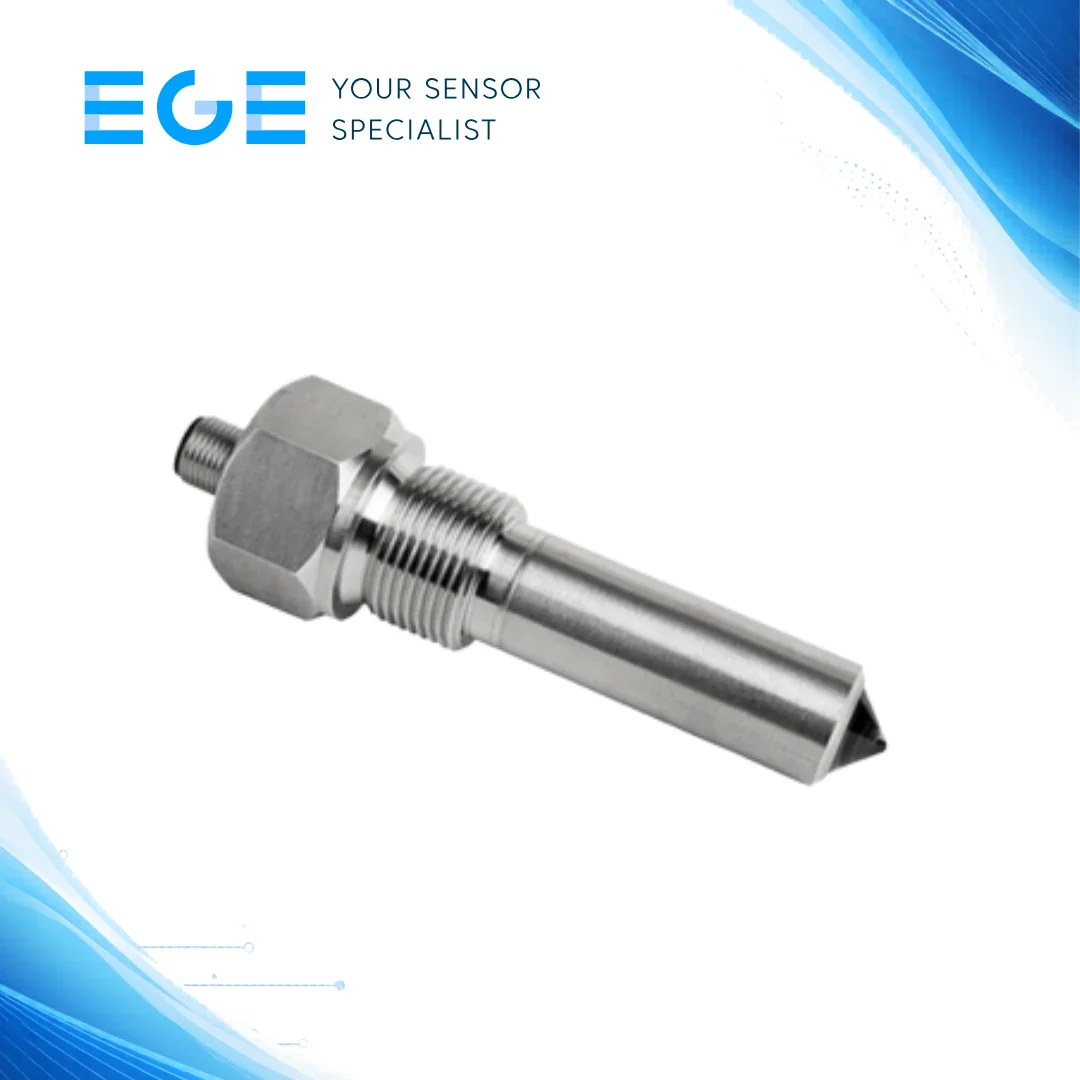
The Reflex Transparent Liquid Level Gauge R T B Series is engineered to provide precise and dependable liquid level monitoring in industrial environments. Designed for applications requiring clear visual indication, this system combines reflex and transparent technologies to ensure maximum visibility and operational reliability. It is widely used in process industries where accurate level measurement is critical for safety and efficiency.
Key Features
- High-quality construction with cost-effective performance
- Available in reflex, transparent, and large chamber configurations
- Compatible with multiple materials including carbon steel, SS304, and SS316
- Borosilicate sight glass ensures durability and thermal resistance
- Optional illuminator system for enhanced visibility in low-light environments
- Explosion-proof protection options for hazardous areas
Application
This liquid level gauge is suitable for monitoring fluid levels in boilers, storage tanks, pressure vessels, and chemical processing units. It plays a crucial role in industries such as oil & gas, power generation, petrochemical, and water treatment by ensuring safe and efficient operation.
Design & Functionality
The R T B Series is designed with advanced gauge valve options, including standard, jacket, and offset types, to meet diverse installation requirements. Its transparent design allows direct observation of liquid levels, while the reflex structure enhances visibility through light reflection principles.
Total Crossed Beams
The gauge utilizes precision-engineered viewing sections that enhance clarity, allowing operators to quickly identify liquid levels even in challenging operating conditions.
Beam Pitch Options
Flexible configuration options enable adaptation to various tank sizes and process requirements, ensuring accurate level indication across different applications.
Intrinsic Synchronism
The system maintains consistent level readings through stable construction and reliable sealing mechanisms, ensuring synchronized performance even under fluctuating pressures and temperatures.
Operational Advantages
- Enhances safety by preventing overflow and dry running conditions
- Reduces maintenance costs through durable materials
- Improves process efficiency with real-time monitoring
- Ensures compliance with industrial safety standards