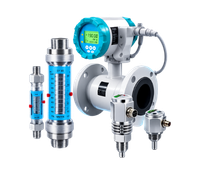
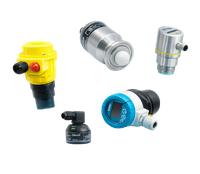
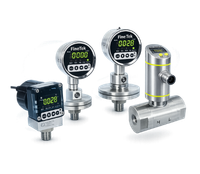
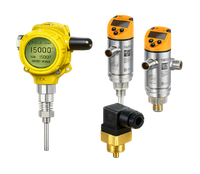
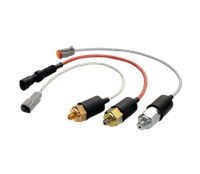
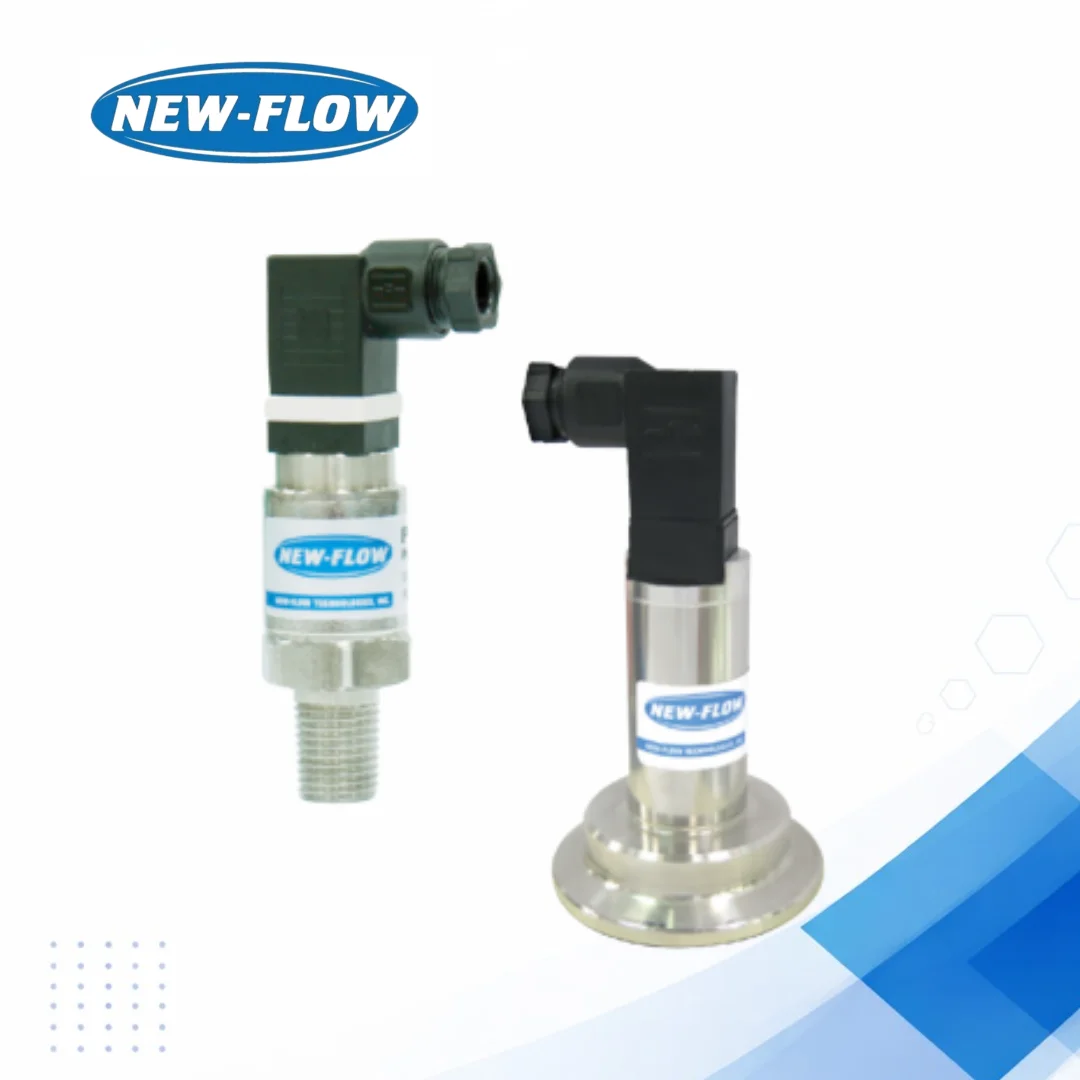
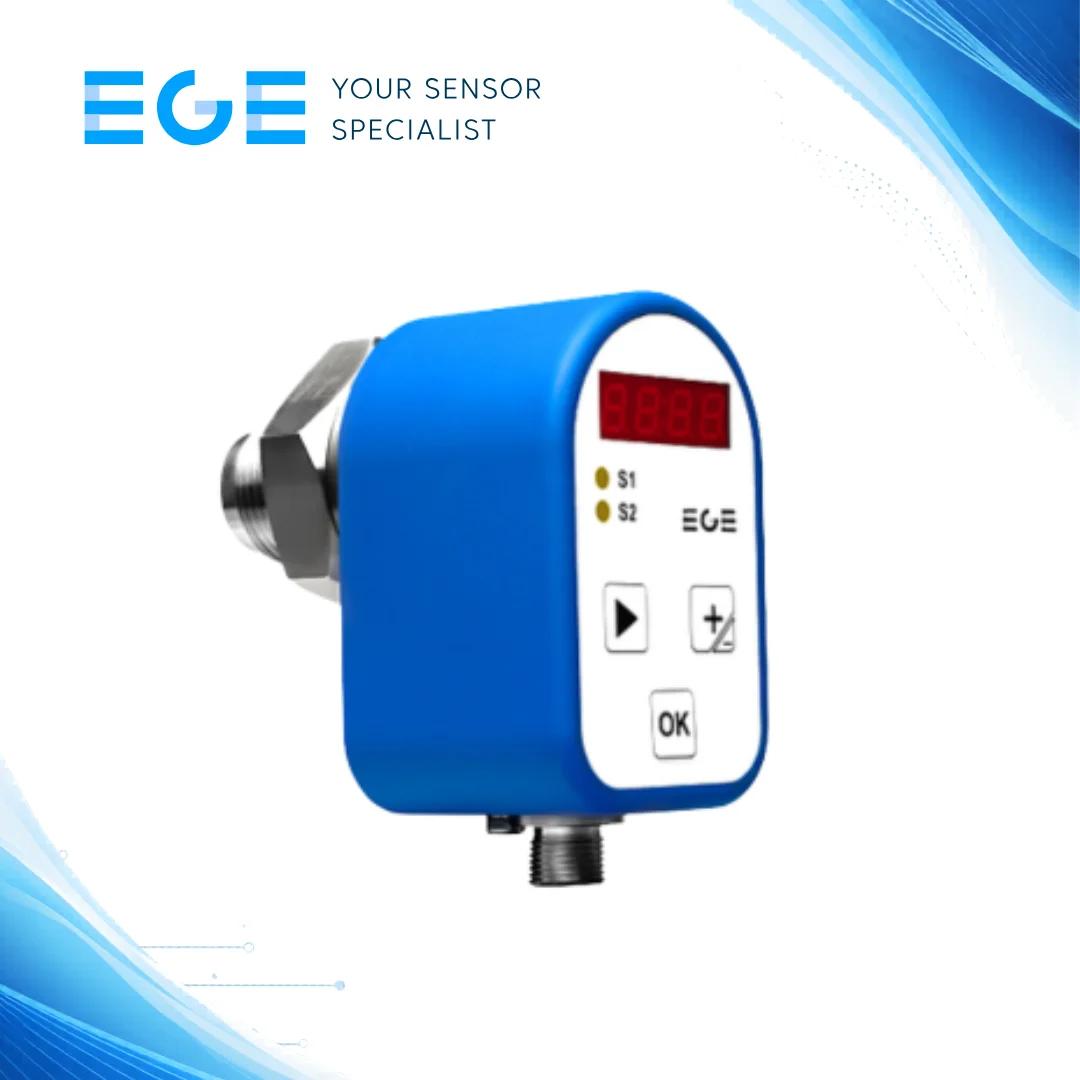
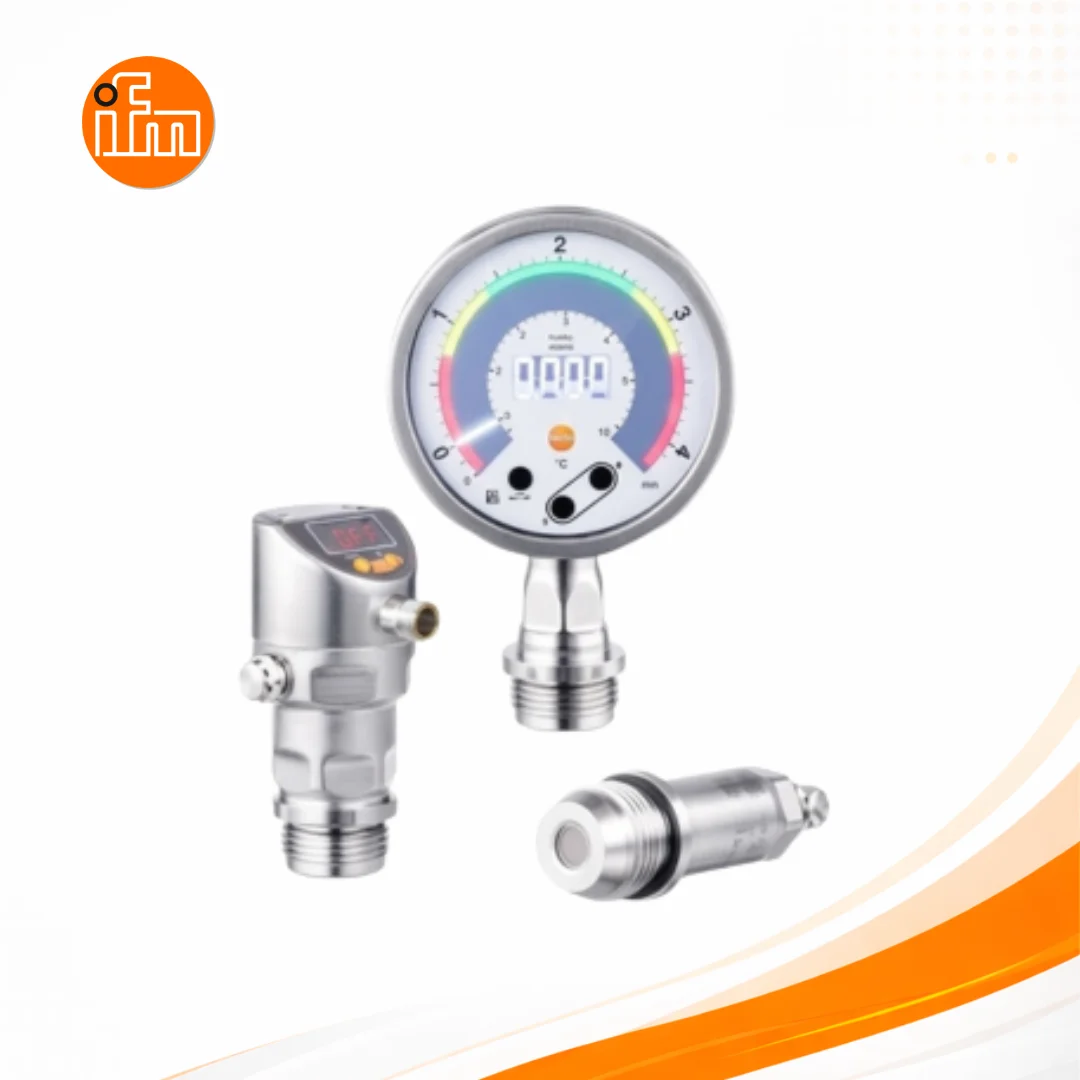
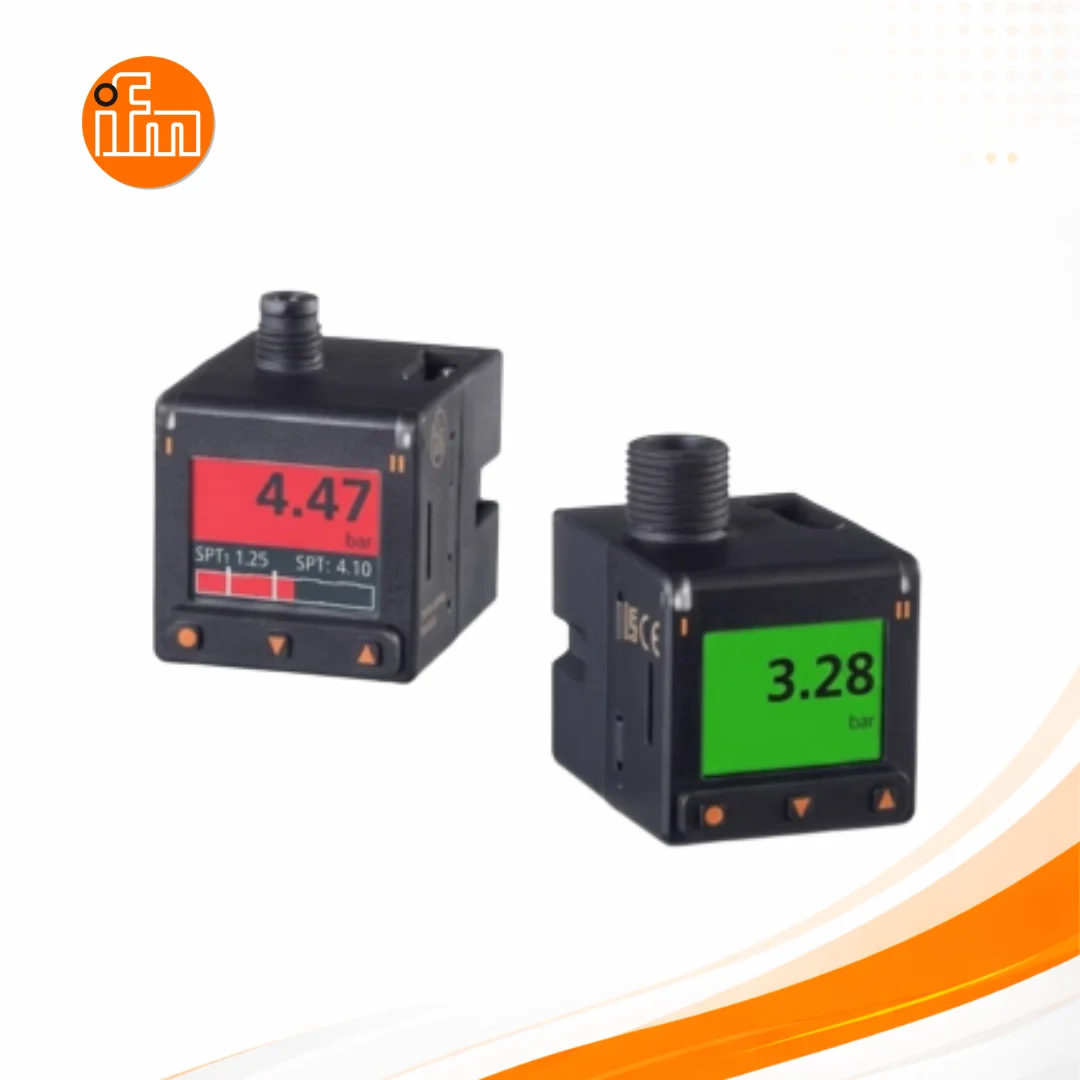
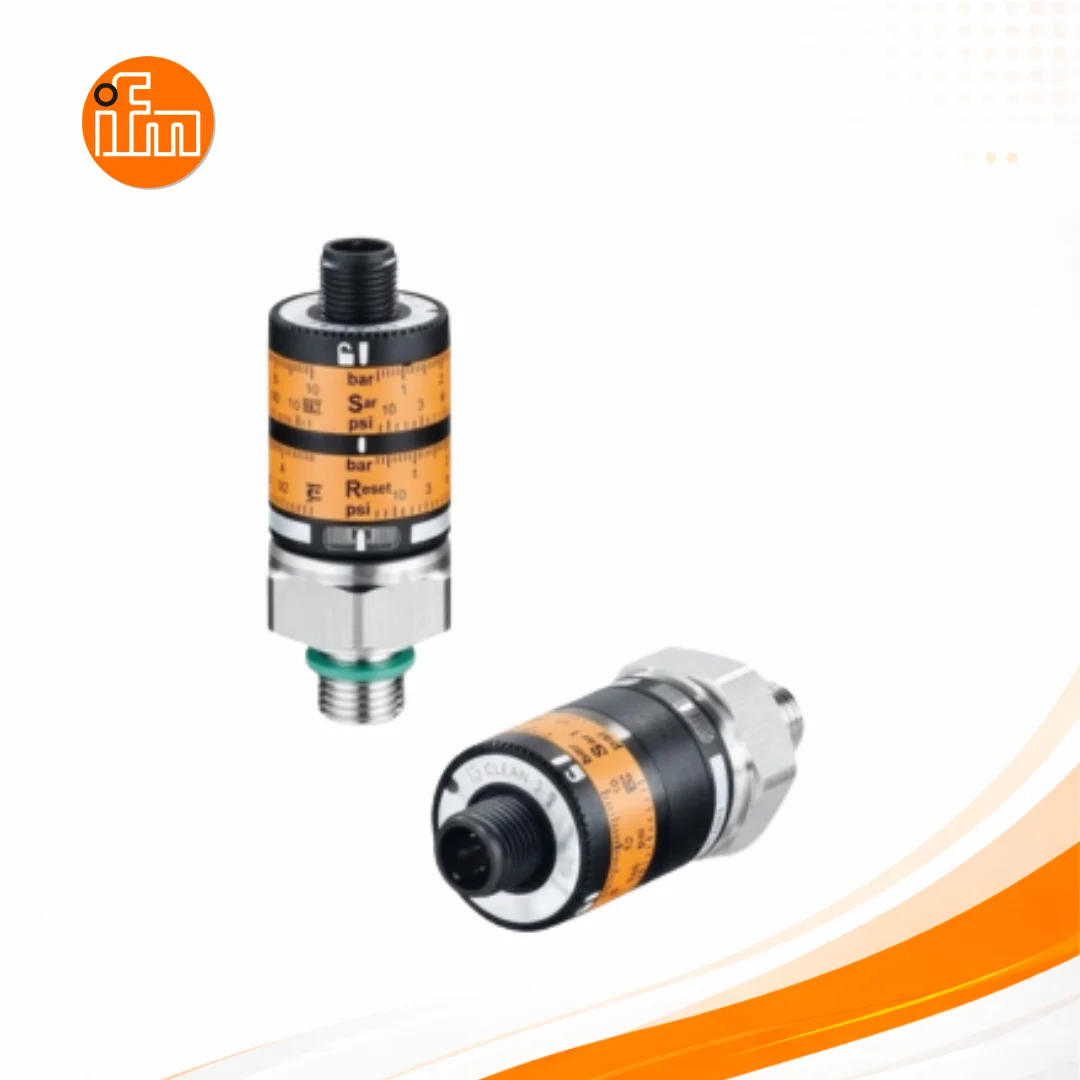
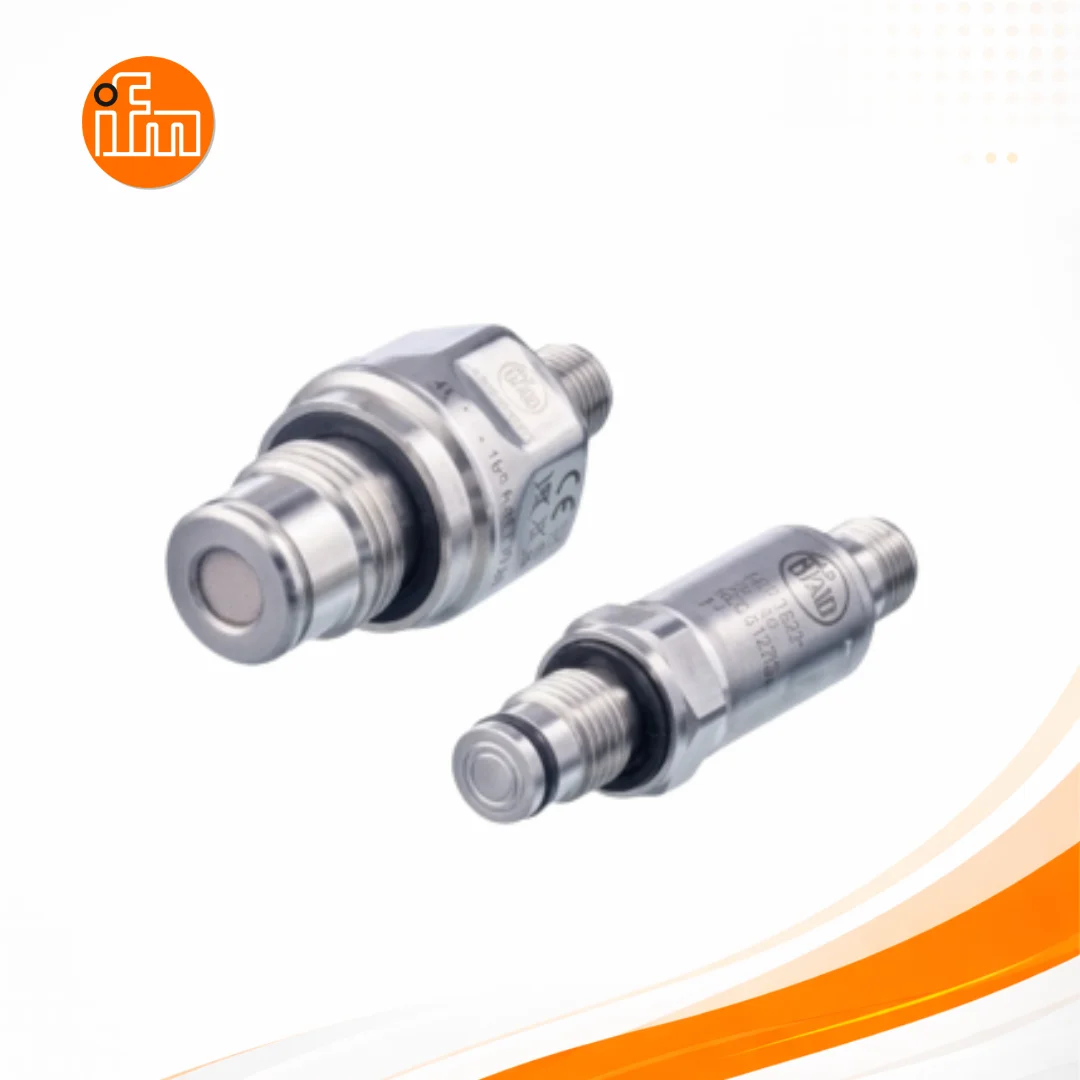
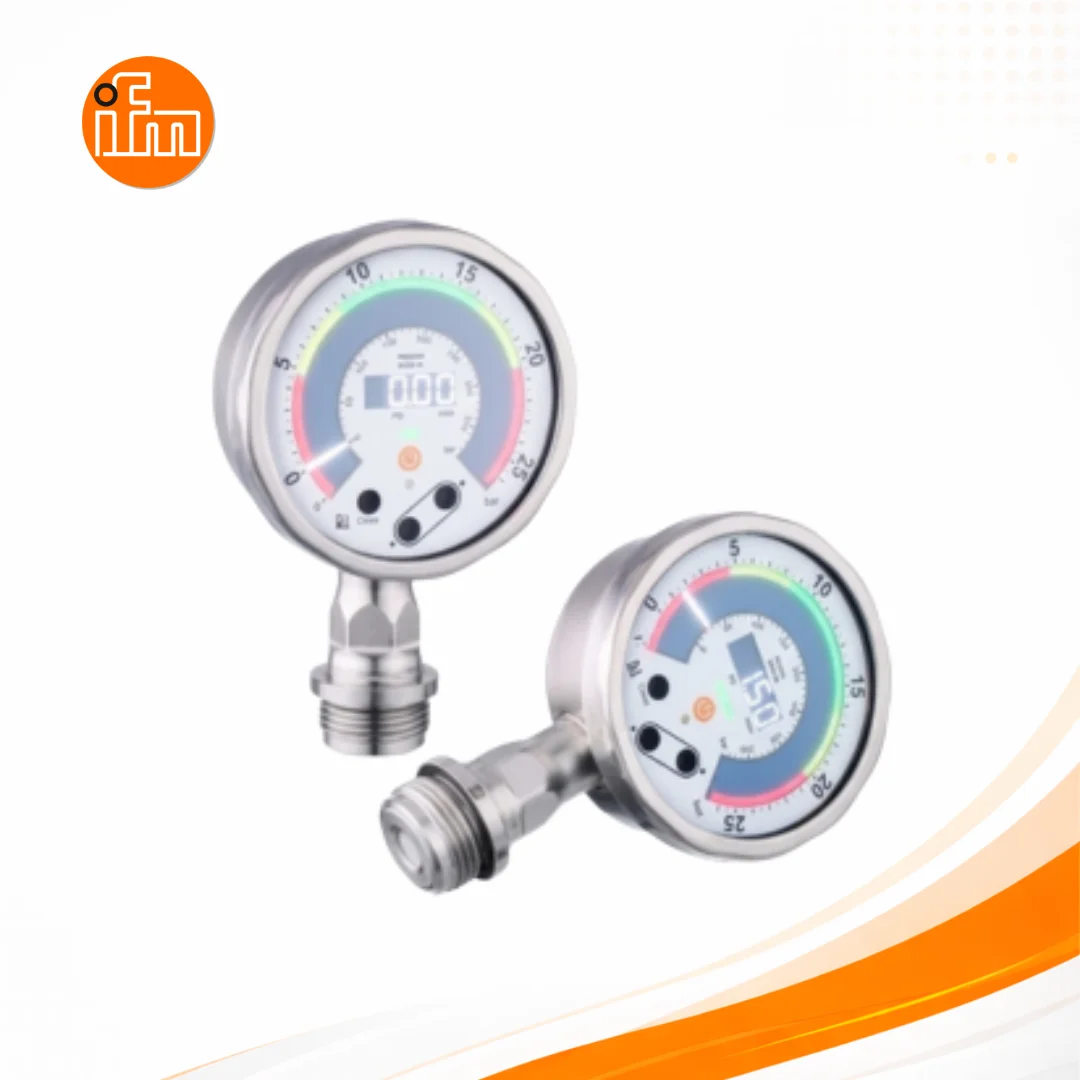
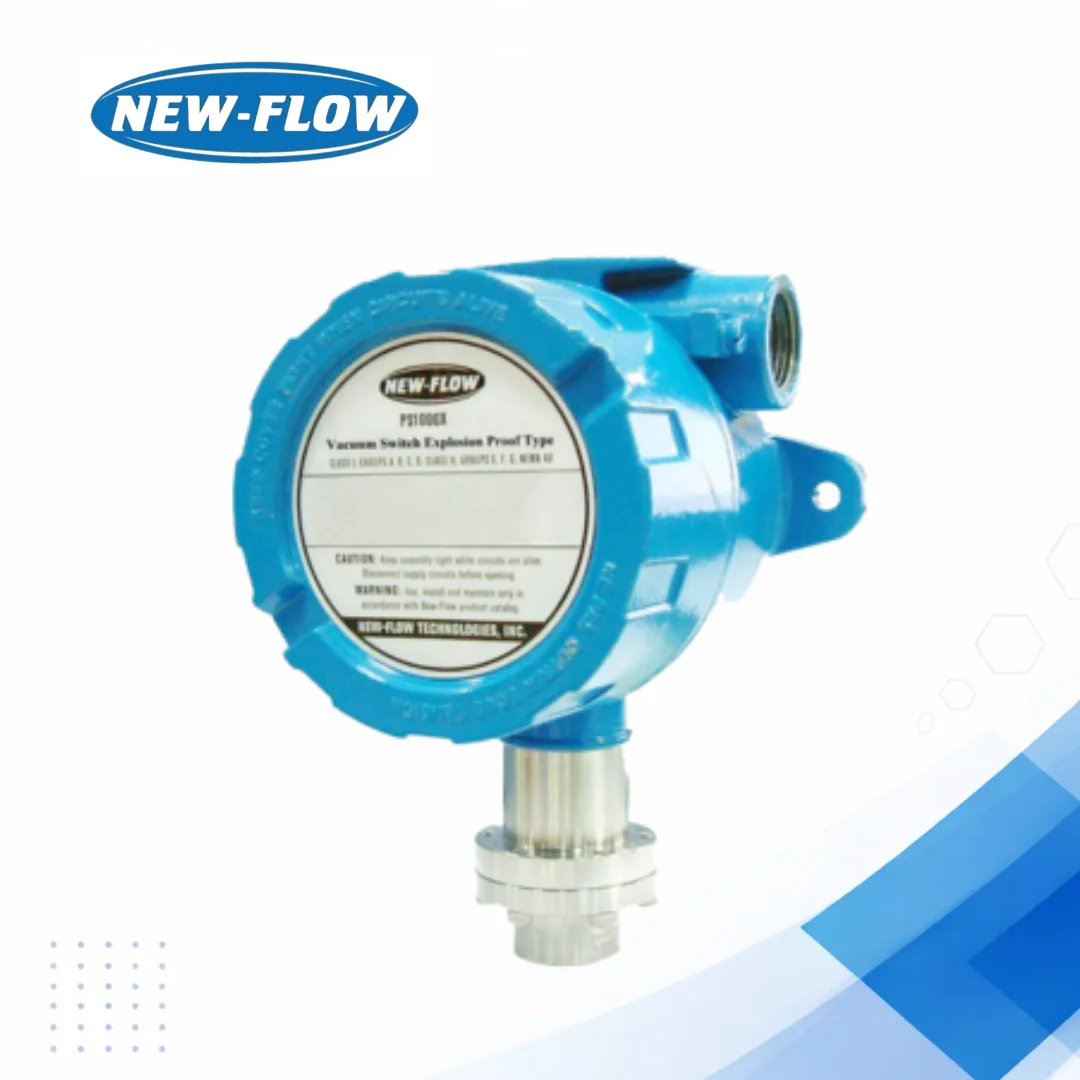
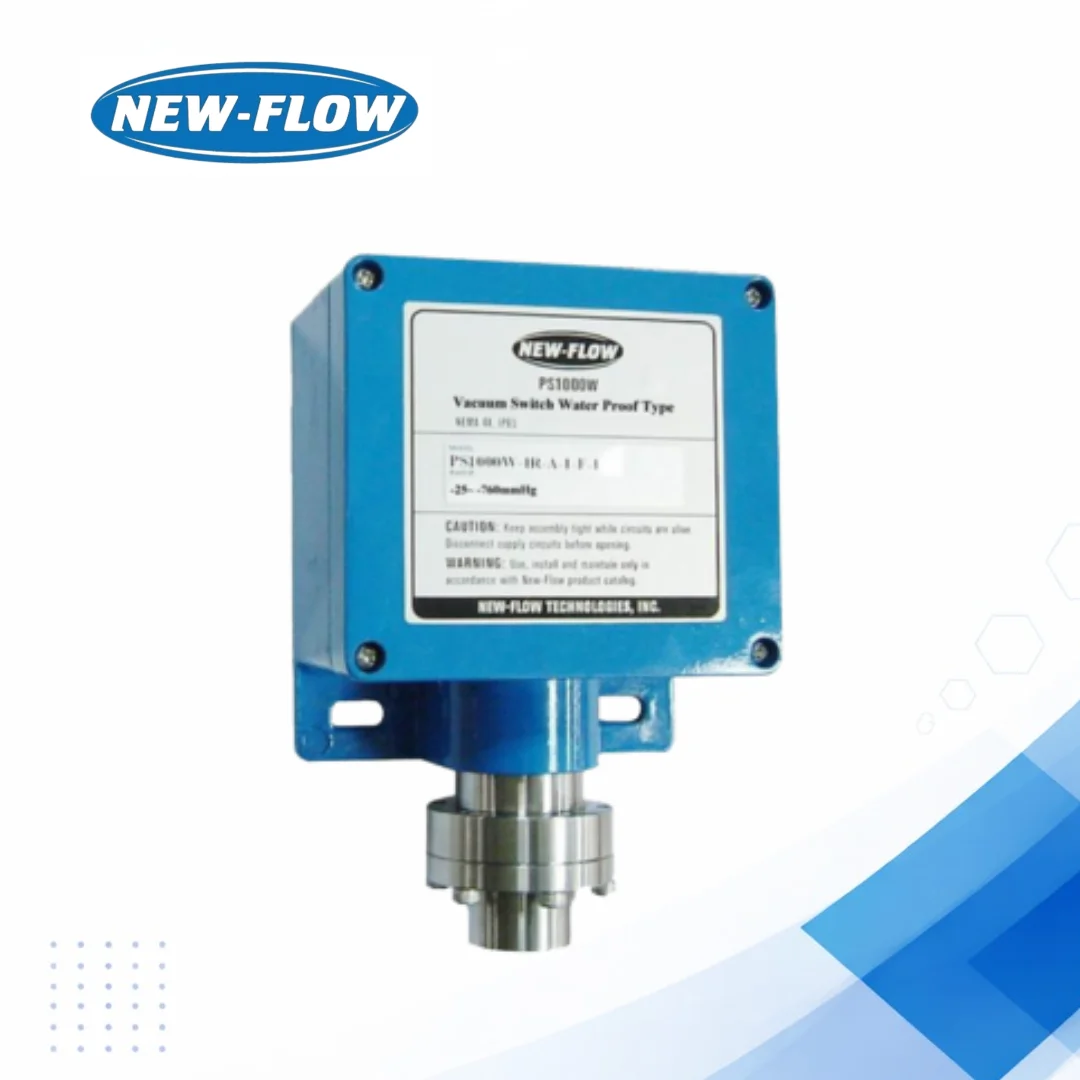
The PT3100 Pressure Transmitter is engineered for accurate and reliable pressure measurement in industrial environments. Built to support process automation and fluid monitoring systems, it ensures consistent performance across a wide pressure range. Designed for compatibility with modern control systems, this transmitter offers dependable signal output and long-term operational stability.
Key Features
- High accuracy measurement with ±0.5% F.S
- Wide pressure range support from vacuum to high pressure
- Durable stainless steel wetted parts for corrosion resistance
- Stable 4–20mA output for seamless integration
- Compact design for easy installation in tight spaces
- Reliable performance under harsh industrial conditions
Application
The PT3100 is widely used in industries such as manufacturing, oil and gas, water treatment, and HVAC systems. It is suitable for monitoring pressure in hydraulic systems, pneumatic setups, pipelines, and storage tanks. This transmitter helps maintain process efficiency and ensures safe operation by delivering real-time pressure data.
Design & Functionality
Built with robust materials like SS316 and SS304L, the transmitter withstands corrosive media and harsh environments. Its two-wire system simplifies wiring while ensuring stable signal transmission. The device is designed to deliver precise readings even under fluctuating pressure conditions, making it ideal for critical industrial processes.
Total Crossed Beams
The PT3100 utilizes advanced sensing technology to maintain consistent signal accuracy across the entire pressure range. This ensures uniform data output regardless of operational variations.
Beam Pitch Options
Optimized internal sensor structure enables smooth pressure detection with minimal signal distortion. This enhances measurement precision and system responsiveness.
Intrinsic Synchronism
The transmitter ensures synchronized signal output with control systems, improving automation reliability and reducing measurement errors in real-time operations.
Operational Advantages
- Improves process control accuracy
- Reduces equipment failure risks
- Enhances system efficiency and safety
- Supports continuous monitoring in demanding environments
- Minimizes maintenance requirements