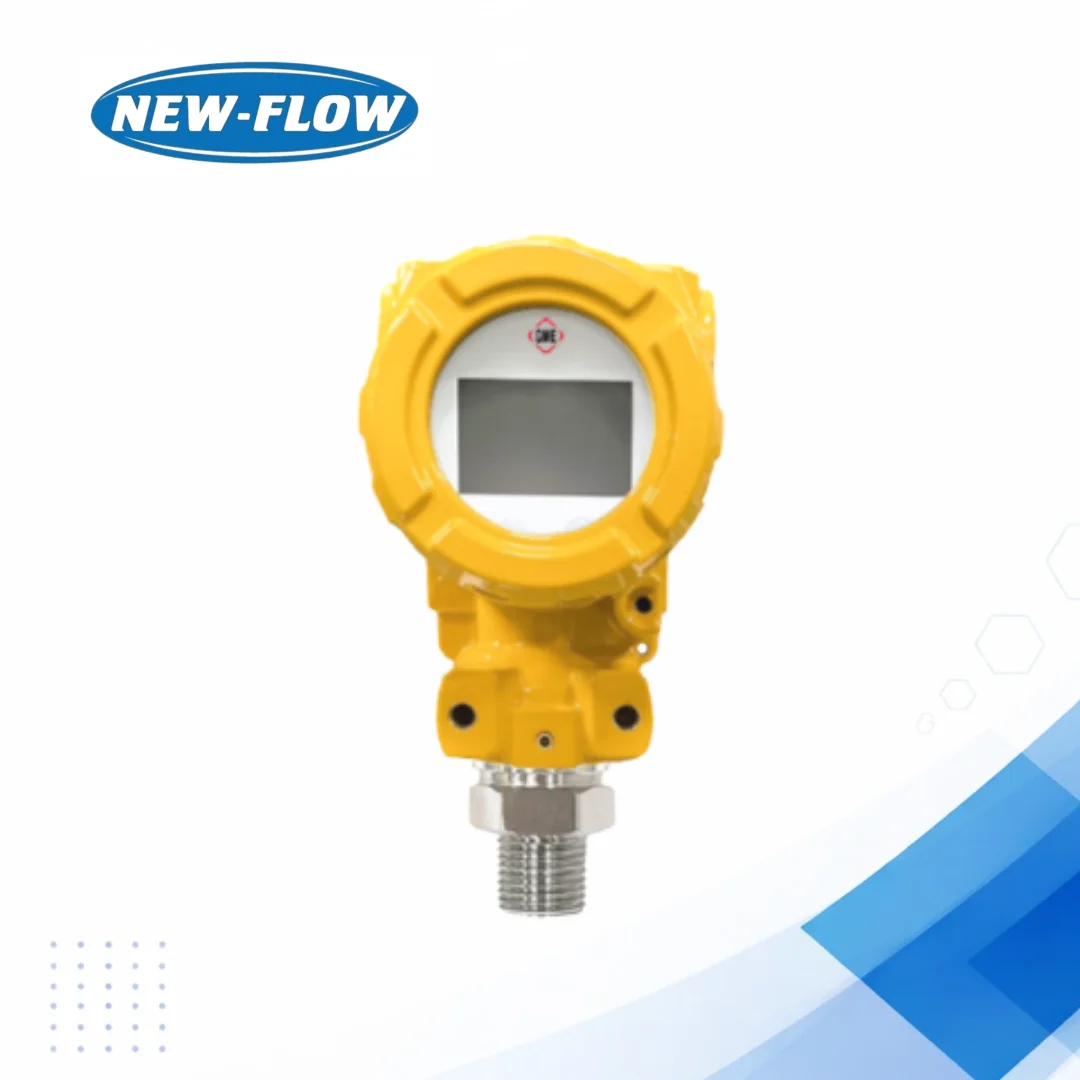
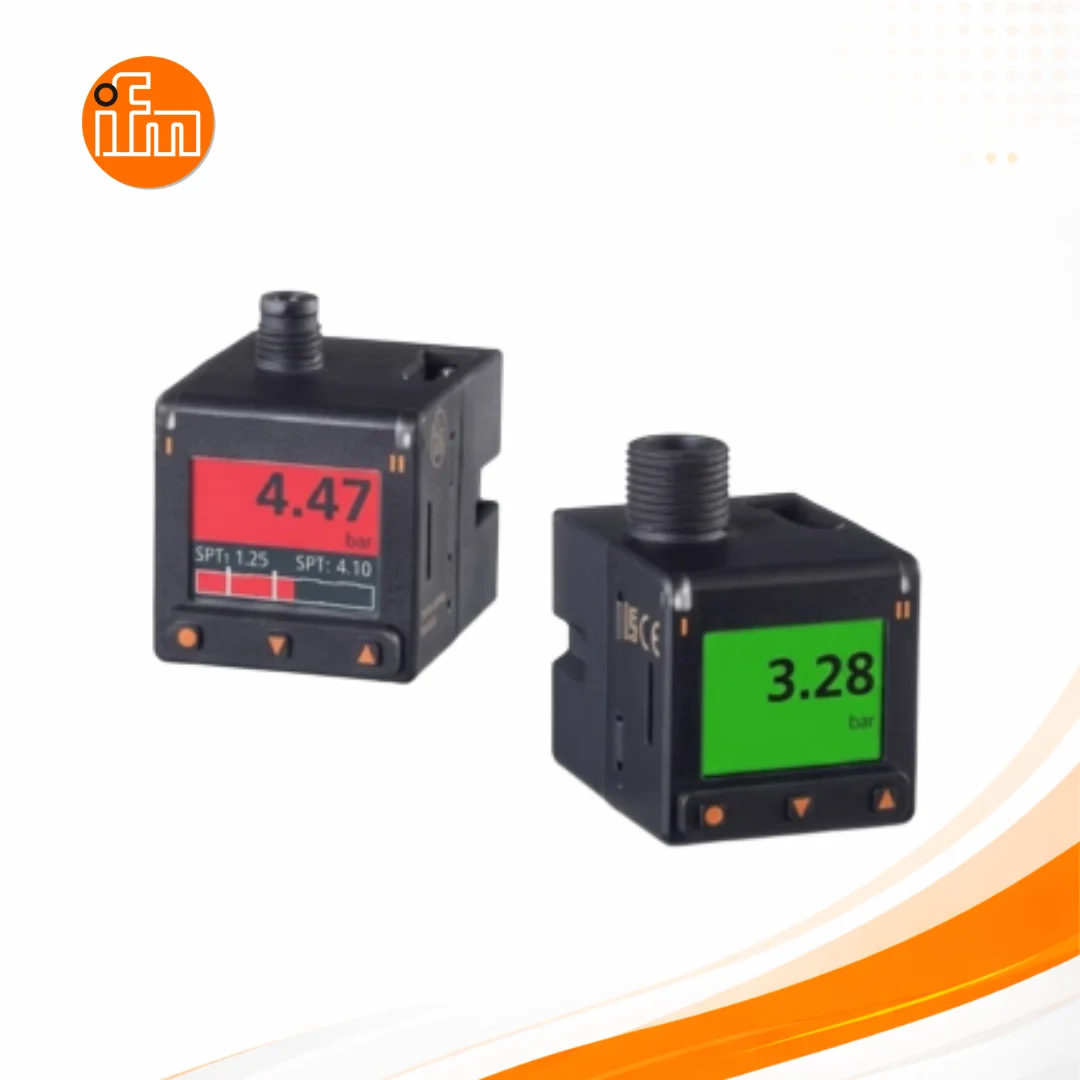
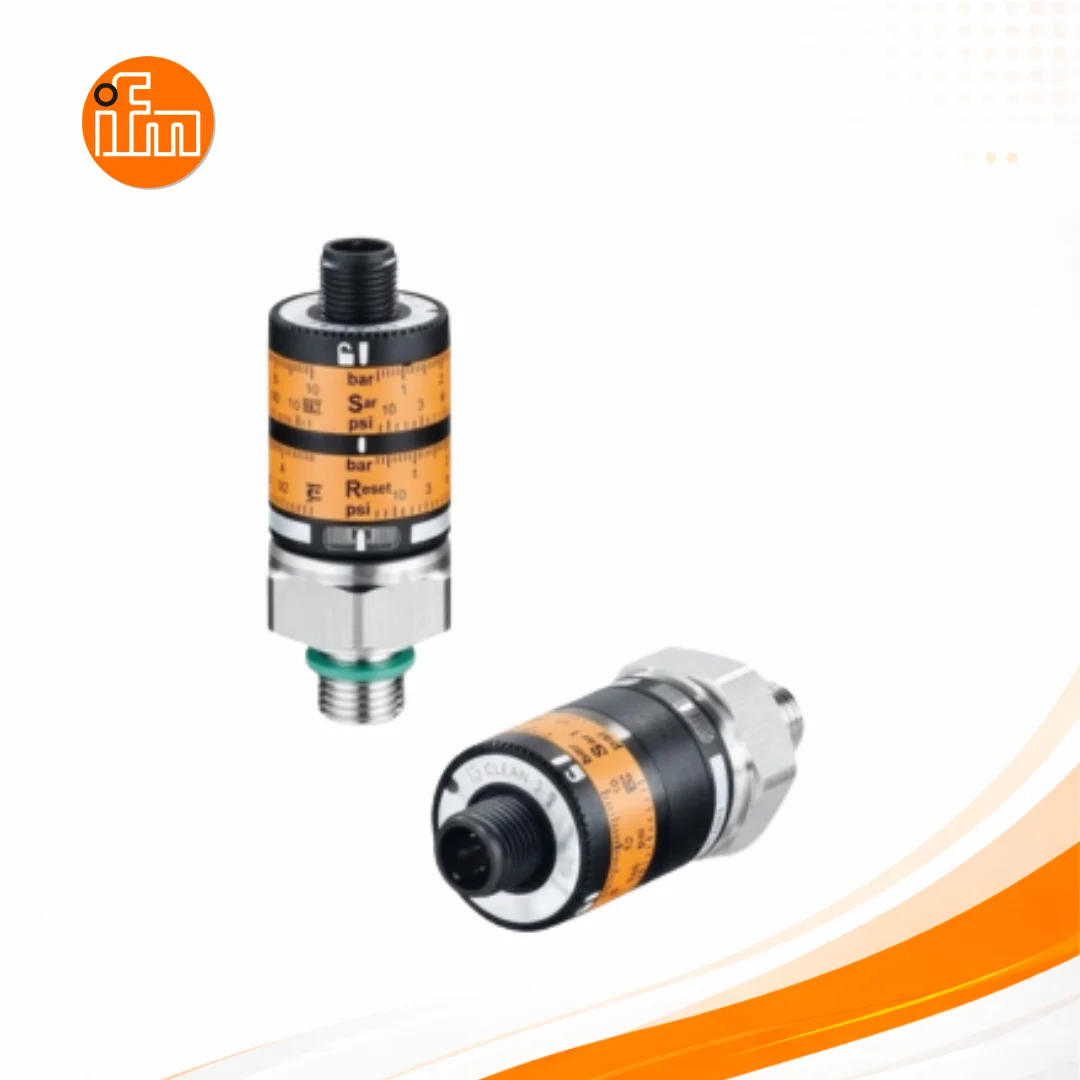
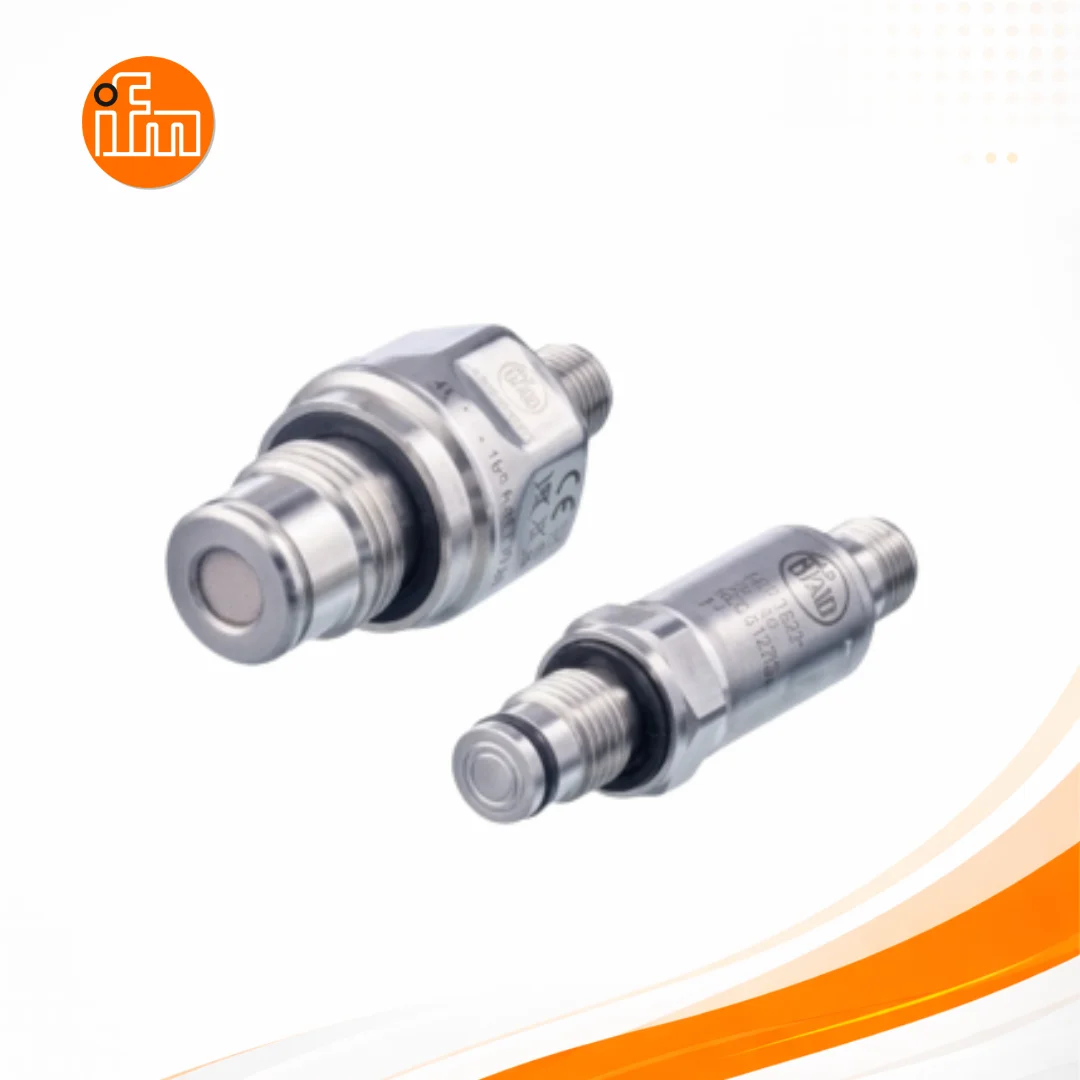
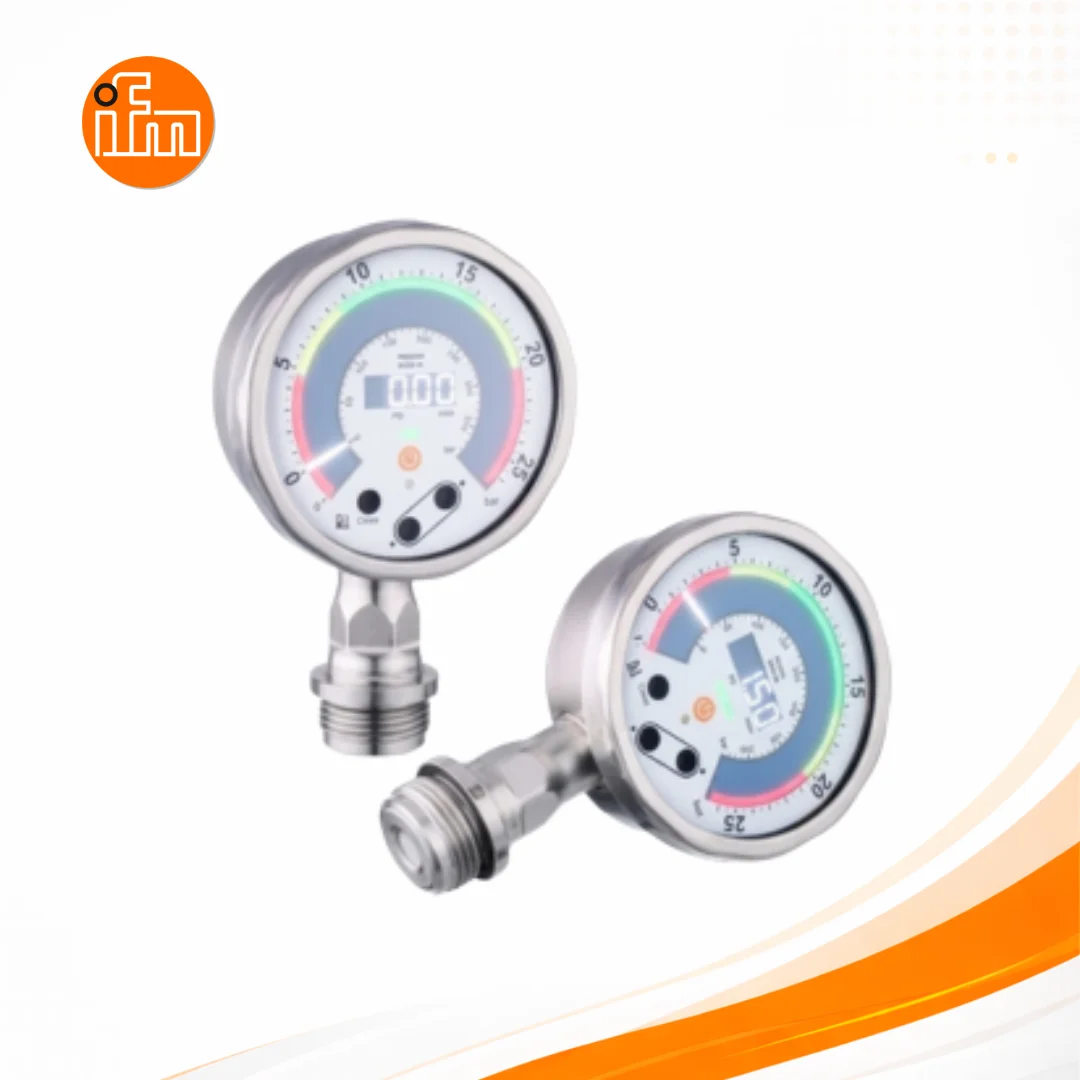
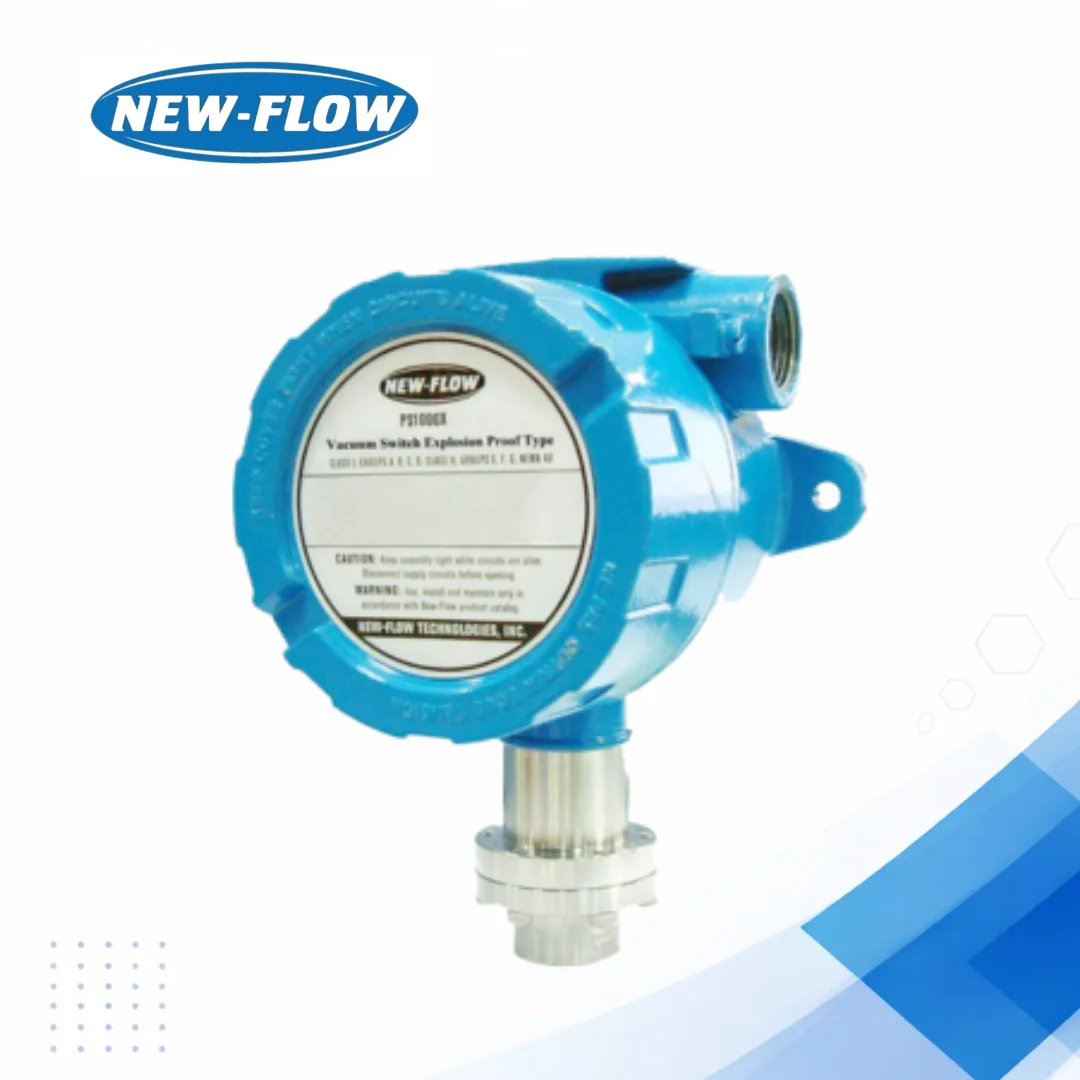
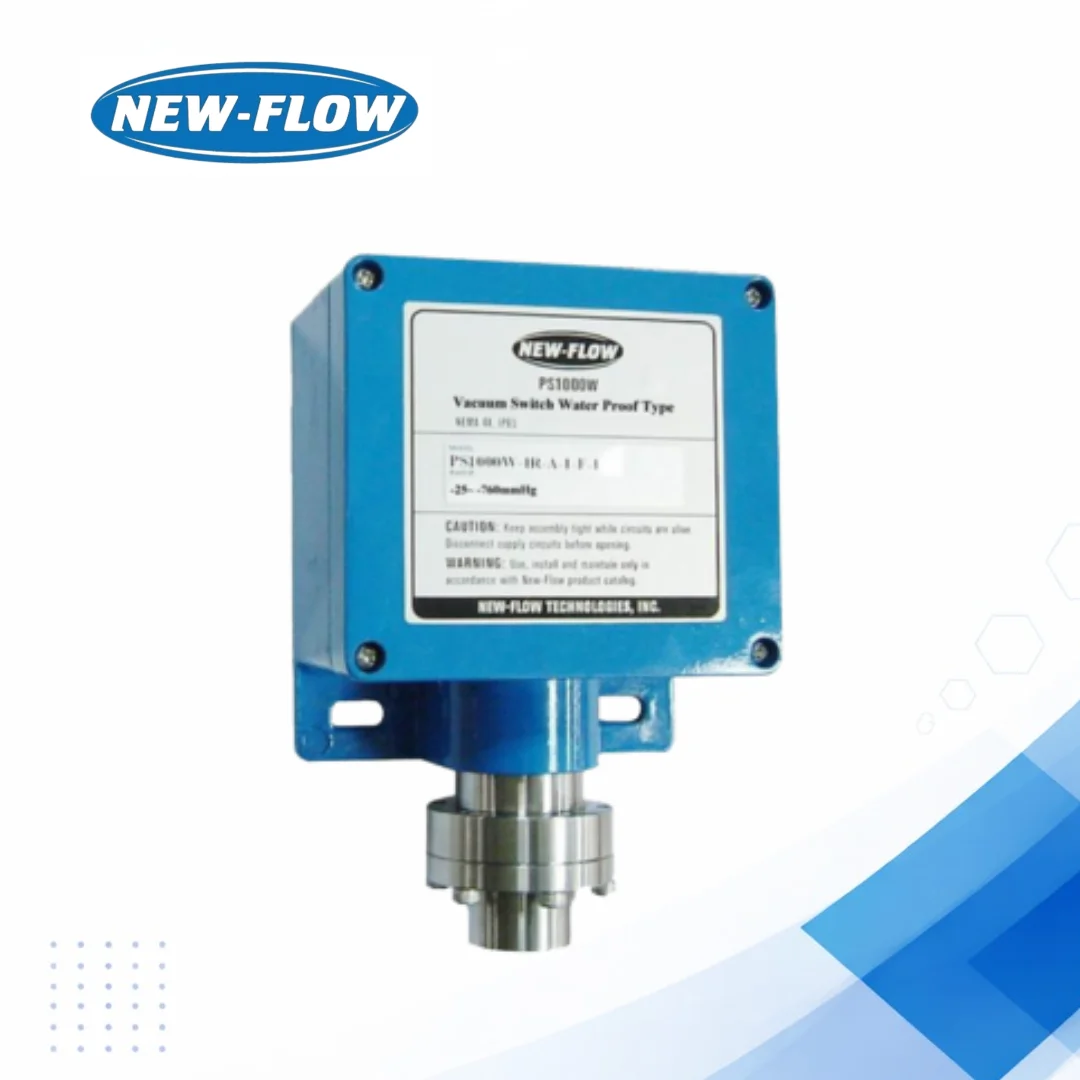
The PT25 electronic pressure transmitter is engineered for precise pressure measurement in industrial environments. Designed to deliver stable and accurate output signals, it supports efficient monitoring and control across automation systems. With a rugged structure and high-performance sensing capability, this device meets the demanding needs of manufacturing, process control, and fluid management industries.
Key Features
- Wide pressure range from vacuum to high pressure applications
- Stable 4–20mA analog signal output for consistent data transmission
- SS316L wetted components for corrosion resistance
- Die-cast aluminum housing for enhanced durability
- High accuracy performance across multiple pressure ranges
- Reliable operation under varying industrial conditions
Application
This pressure transmitter is widely used in industrial automation, hydraulic systems, water treatment plants, oil and gas operations, and chemical processing. It plays a critical role in maintaining system stability, ensuring safety, and improving operational efficiency. By delivering accurate pressure data, it helps prevent system failures and optimizes production processes.
Design & Functionality
The PT25 is built with a robust die-cast aluminum enclosure that protects internal components from environmental damage. The SS316L wetted parts ensure compatibility with a wide range of fluids and gases. Its two-wire 4–20mA output simplifies integration into existing control systems, enabling seamless data communication.
Total Crossed Beams
Engineered for structural integrity, the internal sensing mechanism ensures uniform pressure distribution, allowing consistent performance even under fluctuating loads.
Beam Pitch Options
The transmitter is designed to handle varied pressure conditions with precision calibration, ensuring accurate readings across the entire measurement range.
Intrinsic Synchronism
The PT25 maintains synchronized output signals, ensuring stable communication between sensors and control systems without signal distortion or delay.
Operational Advantages
- Improves process accuracy and control efficiency
- Reduces maintenance costs through durable design
- Enhances system safety by providing real-time pressure data
- Supports long-term industrial operation with minimal drift
- Ensures reliable performance in demanding environments