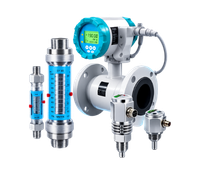
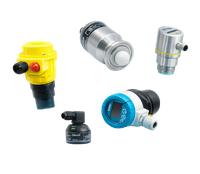
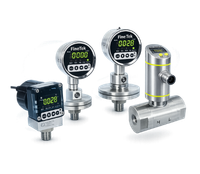
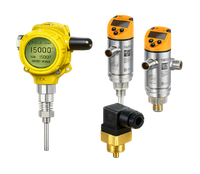
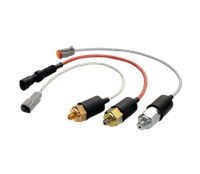
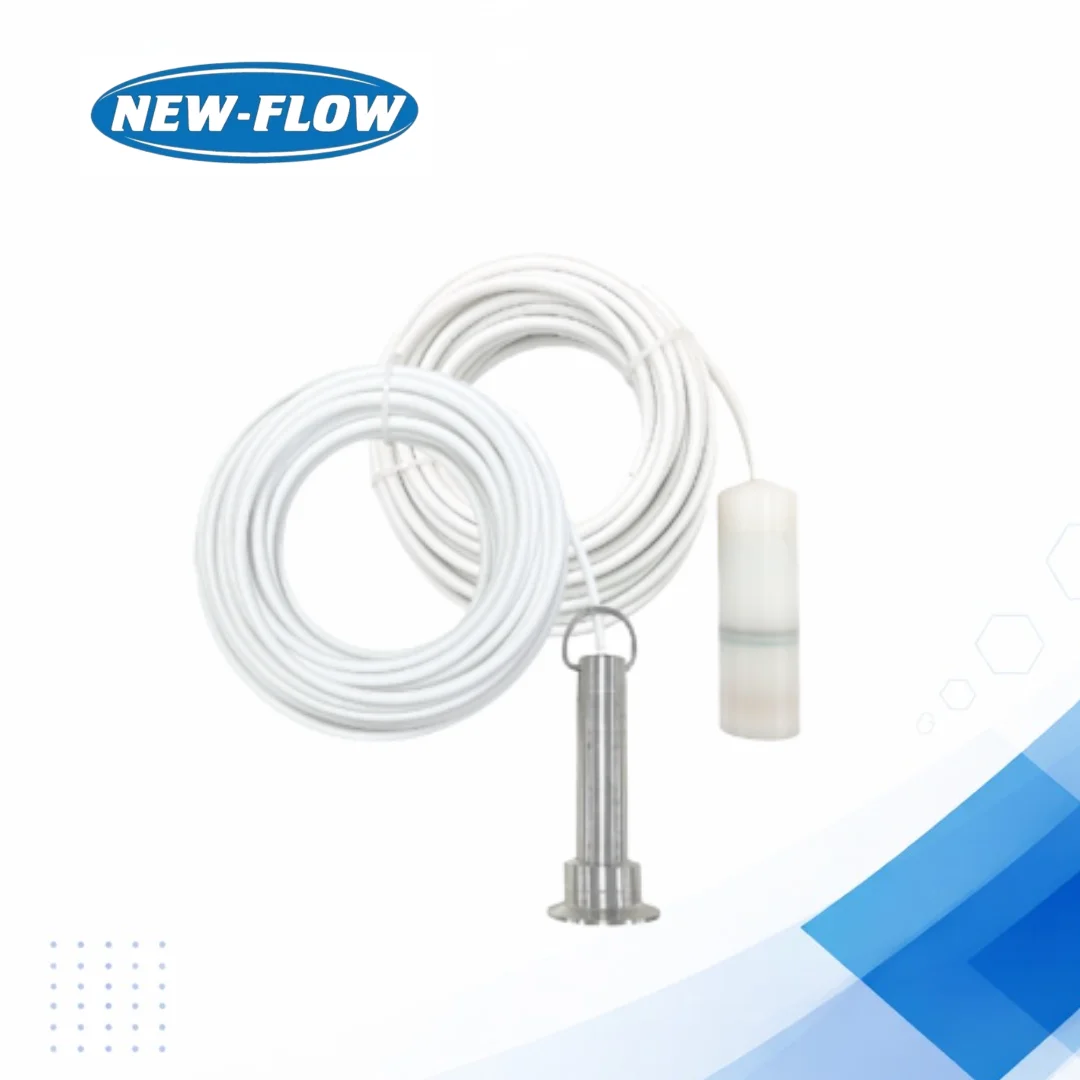
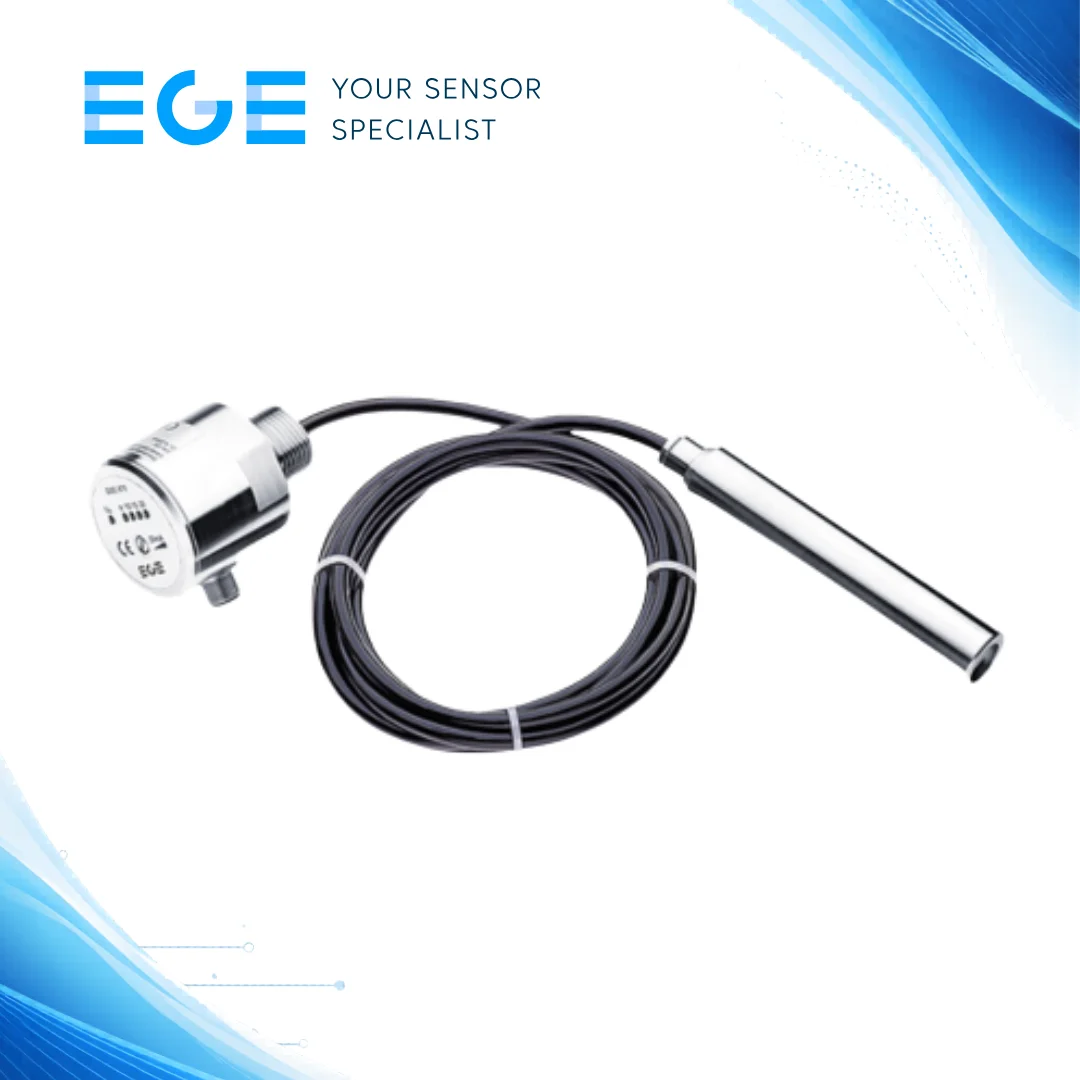
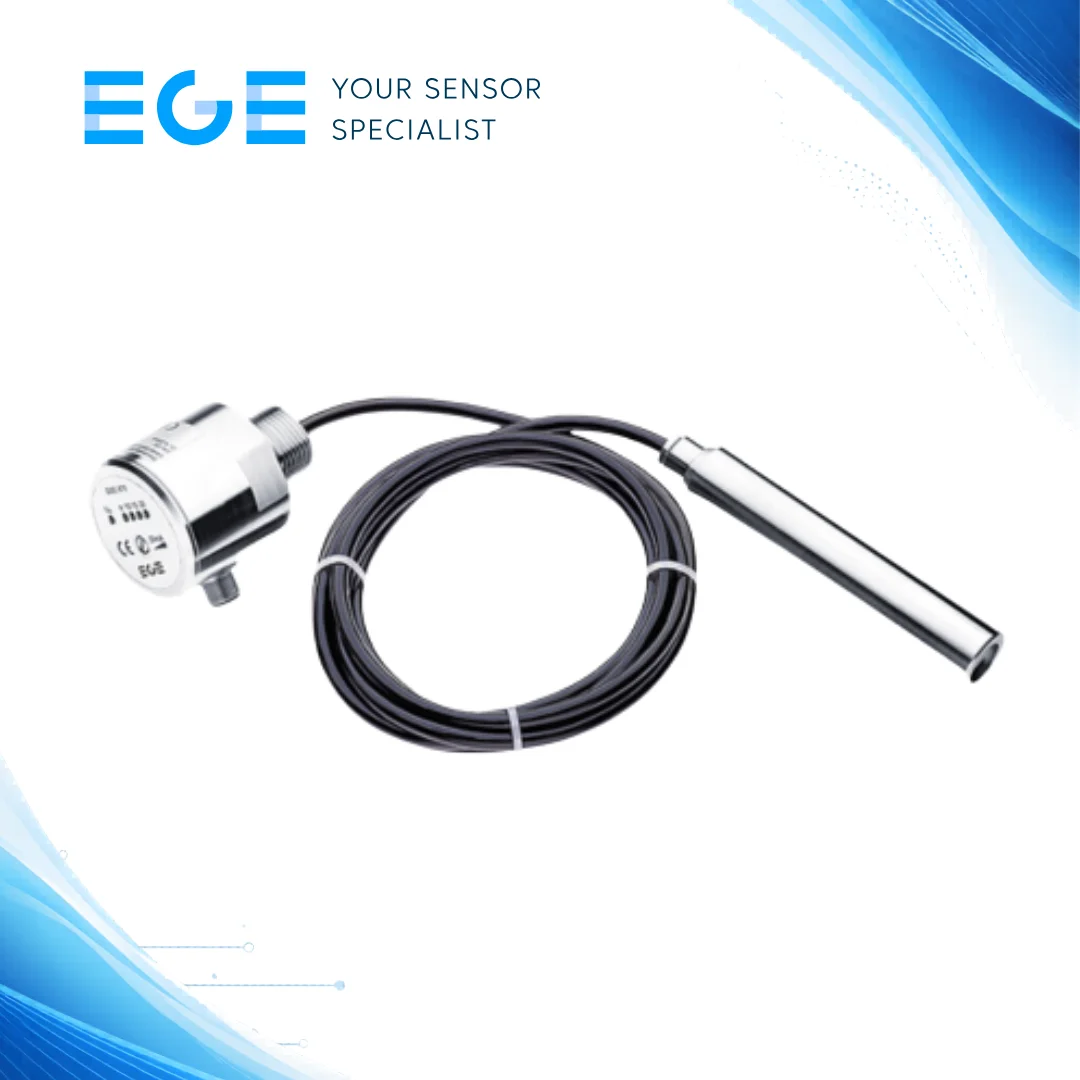
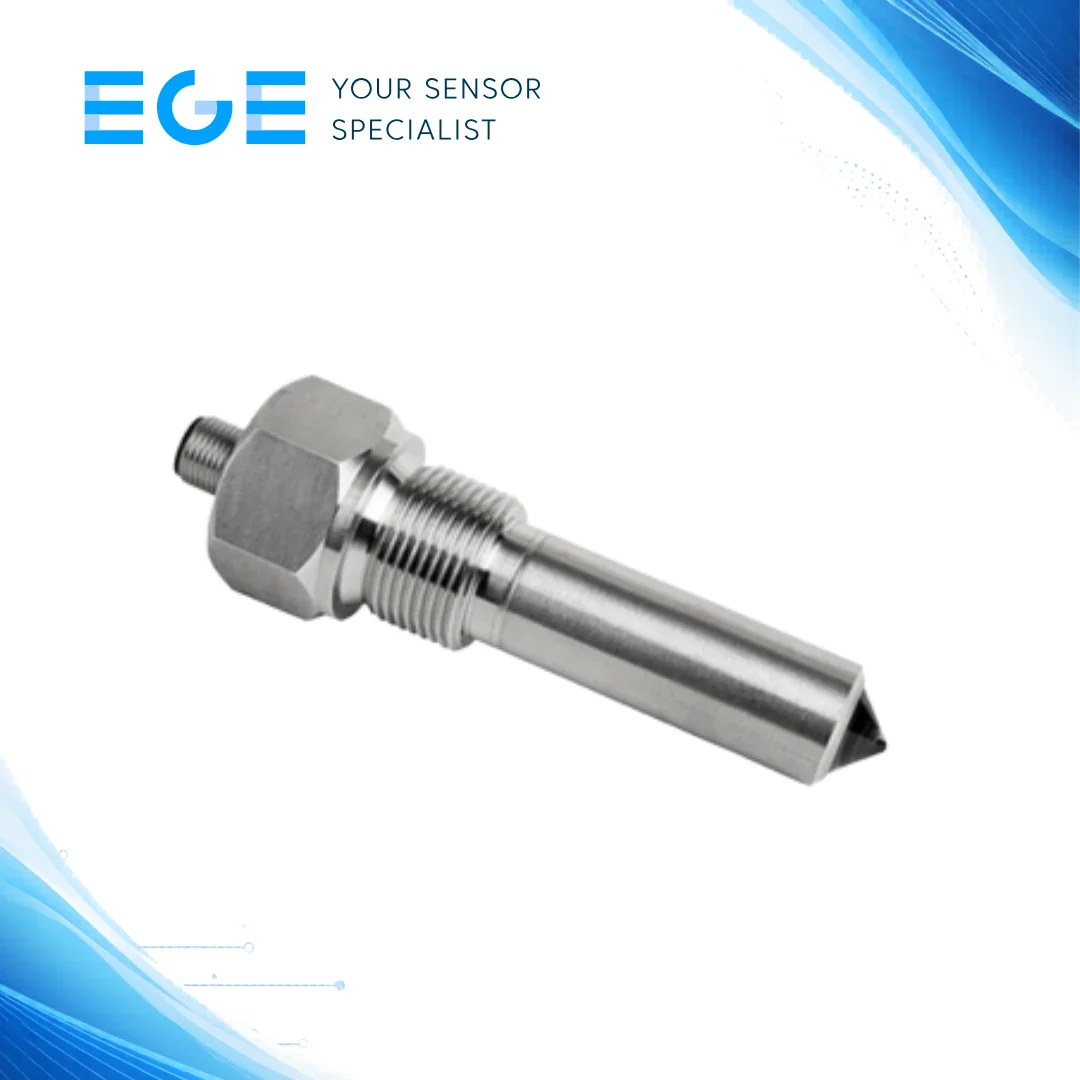
The LG30F hydrostatic level transmitter is engineered for accurate and continuous liquid level measurement in industrial and environmental applications. Designed for reliability and precision, it provides stable monitoring in tanks, reservoirs, borewells, and water storage systems. With advanced sensing capability and robust construction, it ensures dependable performance even in harsh operating conditions.
Key Features
This level transmitter offers high measurement accuracy with a wide range capability up to 100 meters of water column. It supports a 4–20mA output with HART communication, enabling seamless integration into modern control systems. The durable probe construction and corrosion-resistant materials ensure long-term stability and reduced maintenance.
Application
The LG30F is widely used in water treatment plants, industrial storage tanks, groundwater monitoring, and chemical processing systems. It is ideal for applications requiring continuous liquid level monitoring, overflow prevention, and efficient resource management. Its adaptability makes it suitable for both clean and slightly aggressive liquids.
Design & Functionality
Built with stainless steel or PVDF probe options, the transmitter is designed for submersible operation. The ceramic diaphragm ensures high sensitivity and durability, delivering consistent readings even under pressure variations. Multiple cable shielding options provide protection in different environmental conditions.
Total Crossed Beams
Optimized sensing architecture ensures consistent signal transmission without interference, maintaining accurate level detection across varying depths.
Beam Pitch Options
Flexible installation allows adaptation to different tank depths and configurations, supporting diverse industrial requirements.
Intrinsic Synchronism
The transmitter maintains stable synchronization between pressure sensing and signal output, ensuring reliable real-time monitoring.
Operational Advantages
The LG30F enhances operational efficiency by delivering precise level data, reducing manual monitoring, and preventing system failures. Its robust design minimizes downtime, while its compatibility with automation systems improves process control. This makes it a cost-effective and reliable solution for long-term liquid level management.