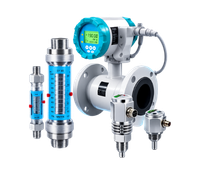
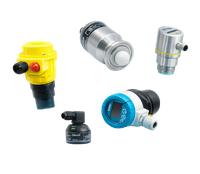
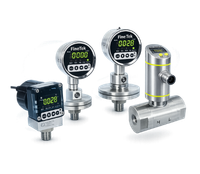
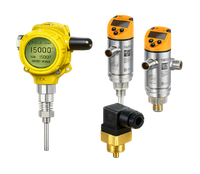
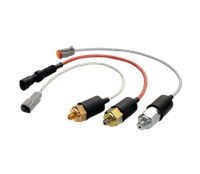
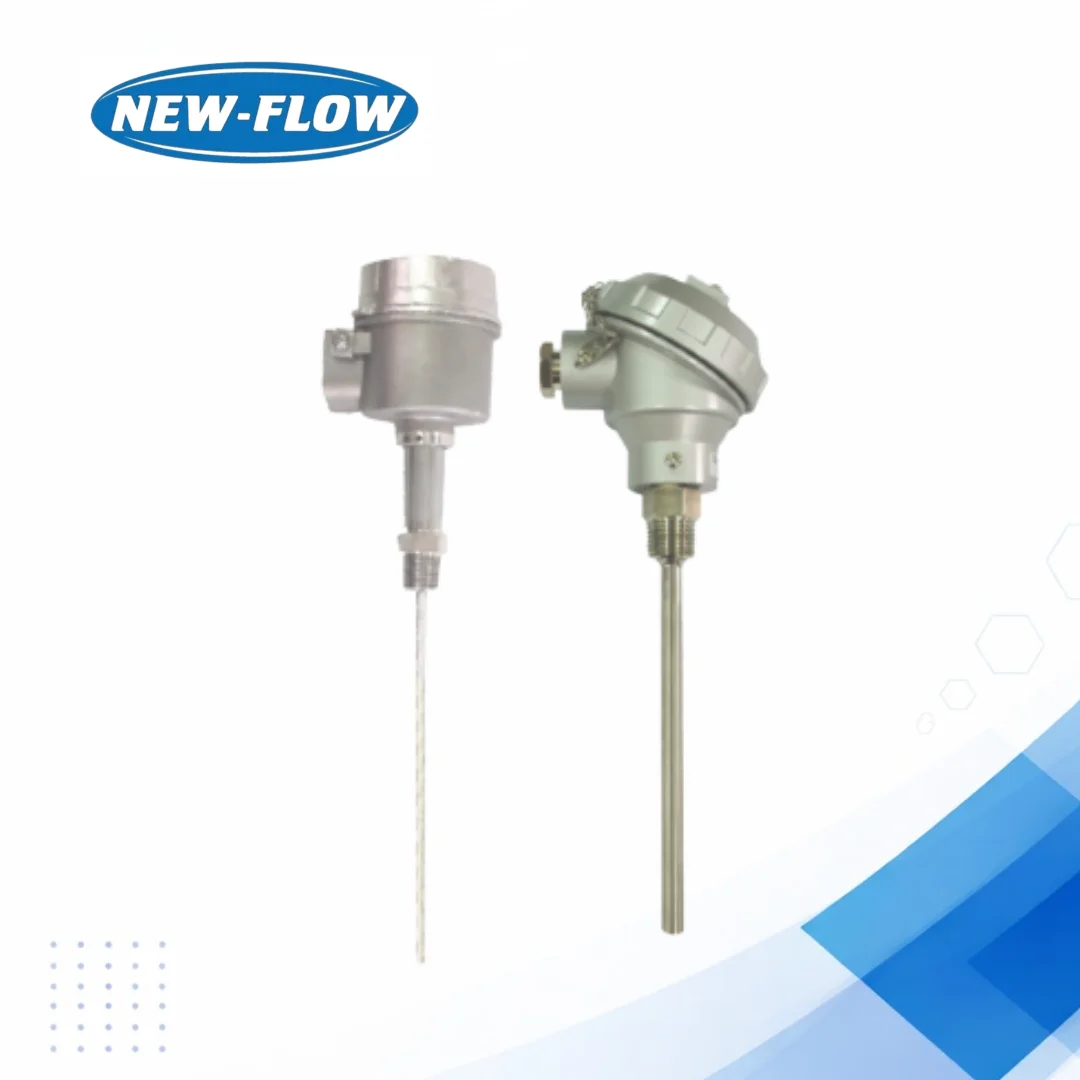
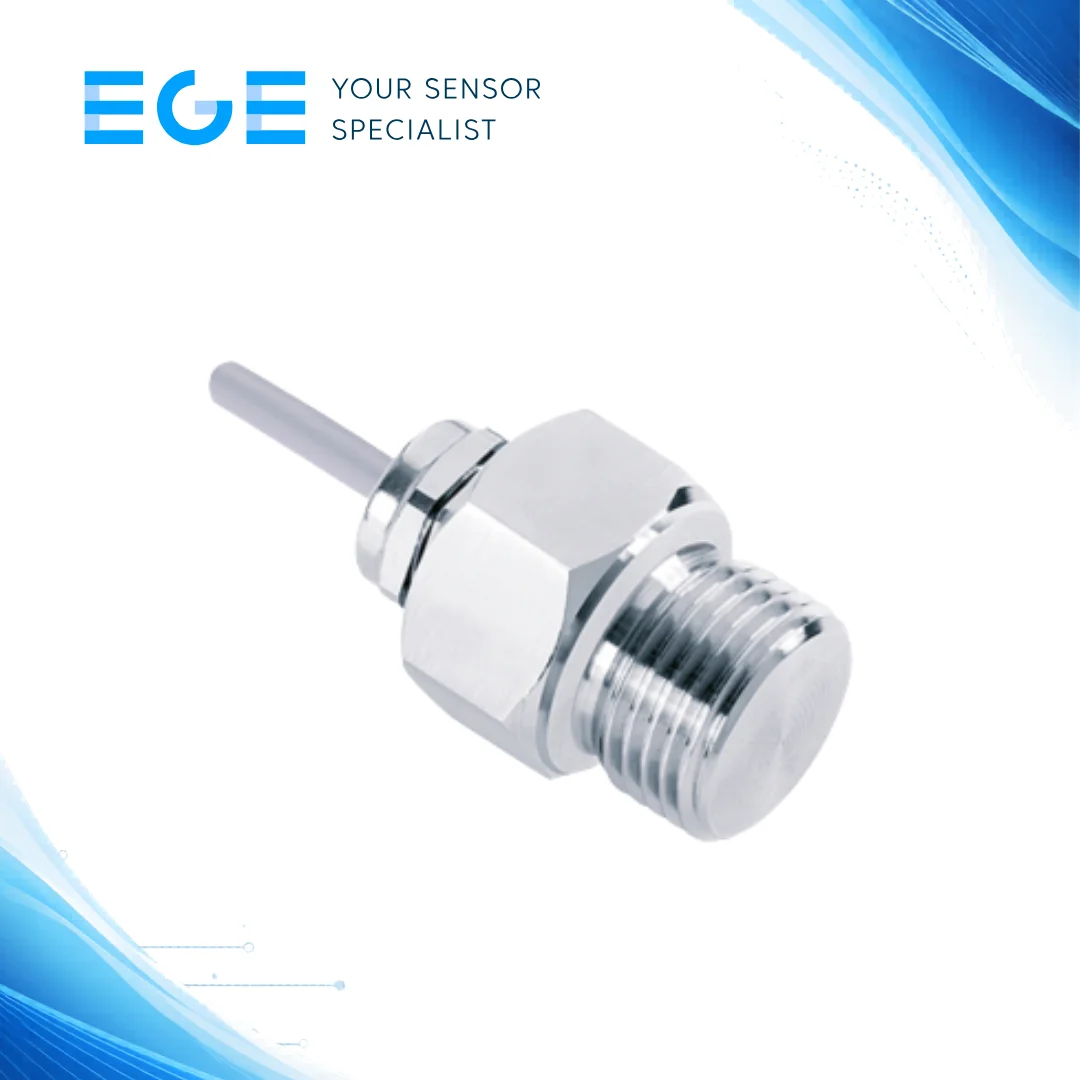
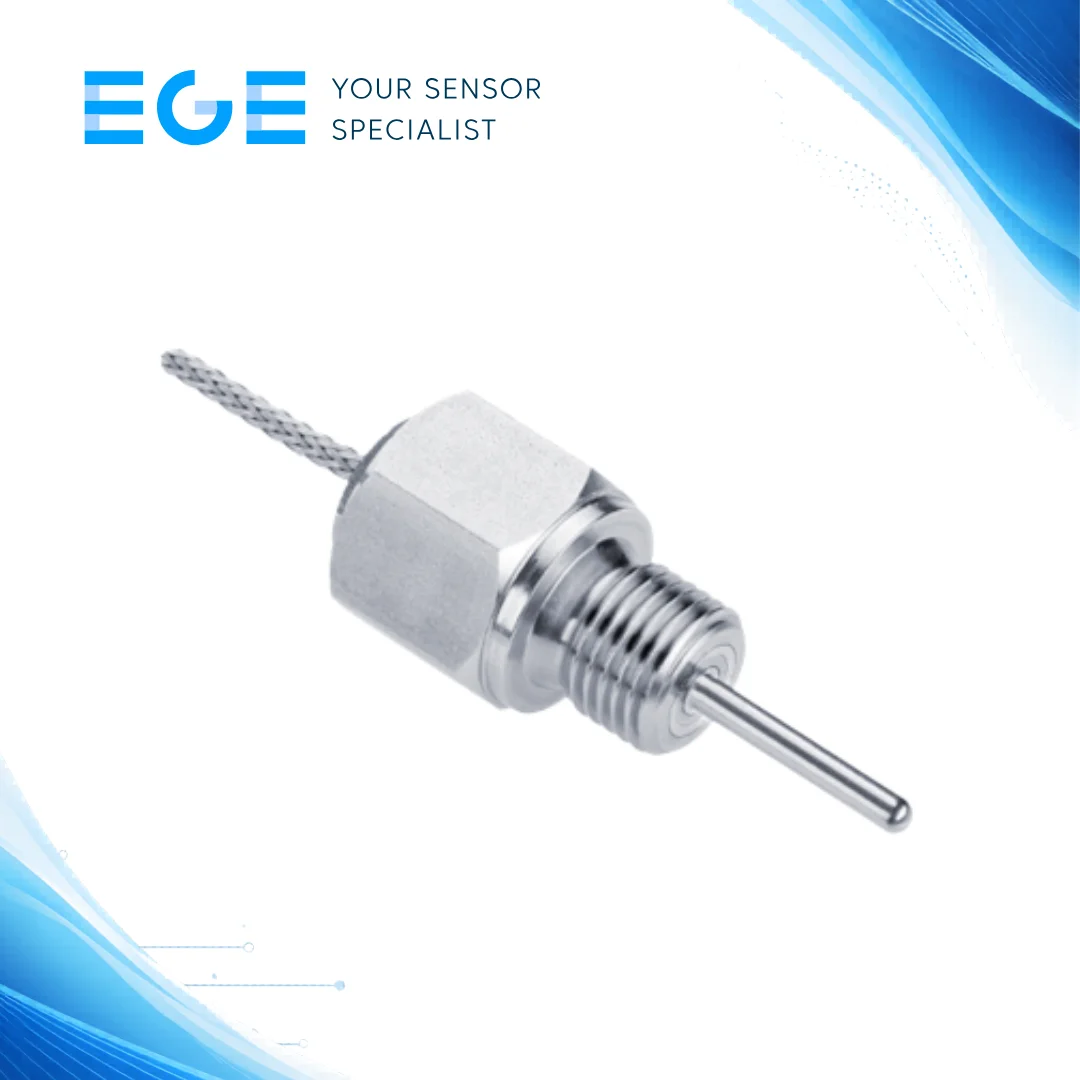
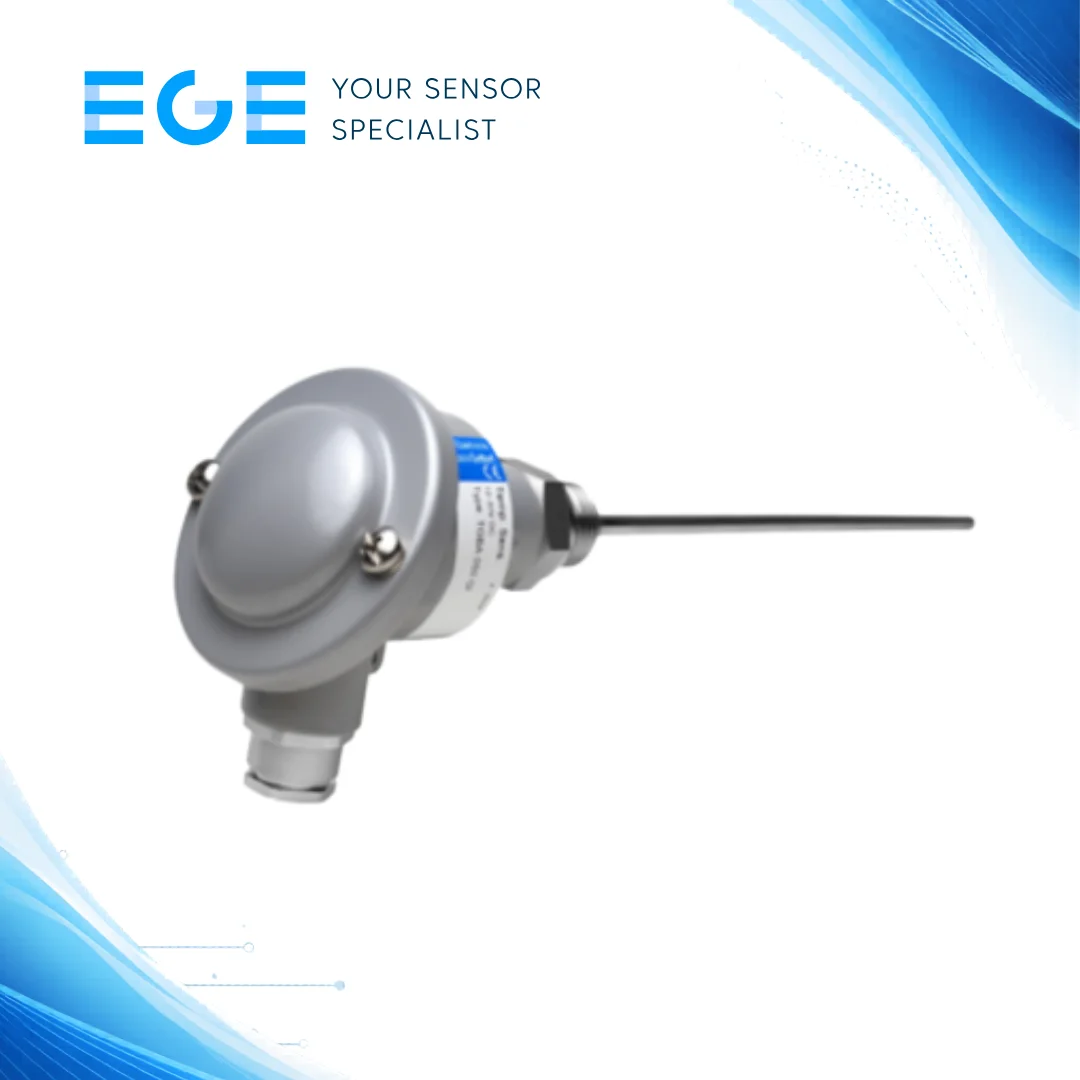
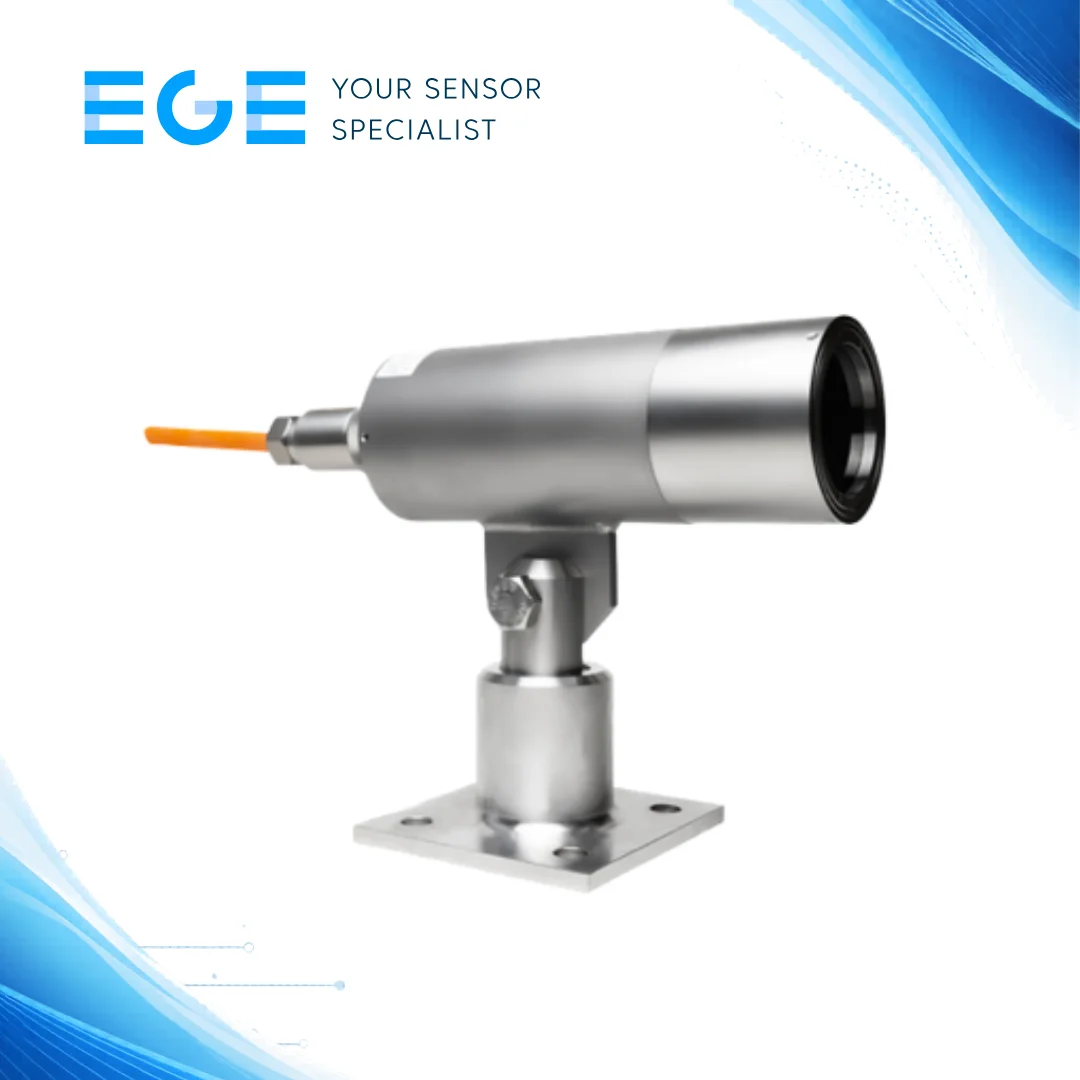
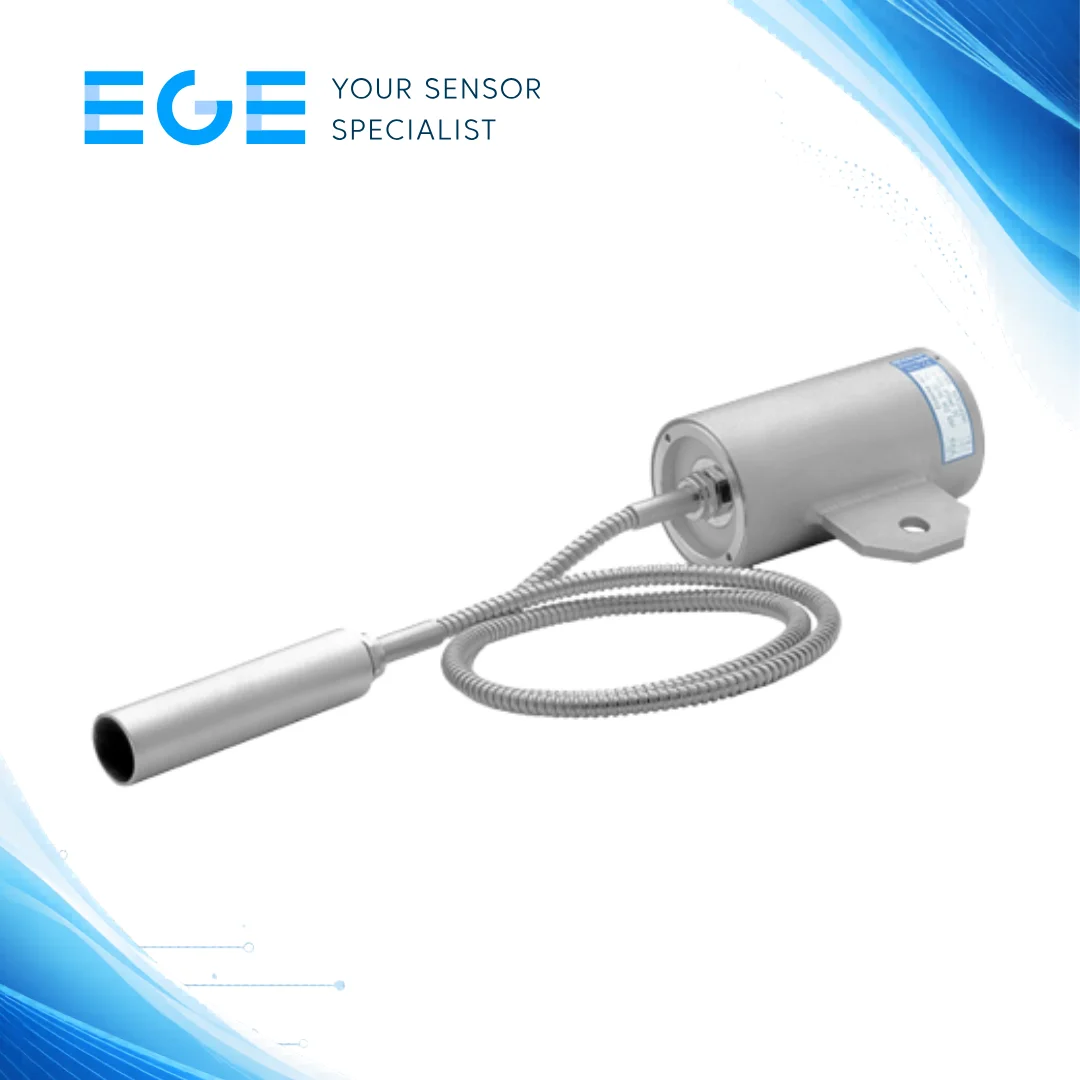
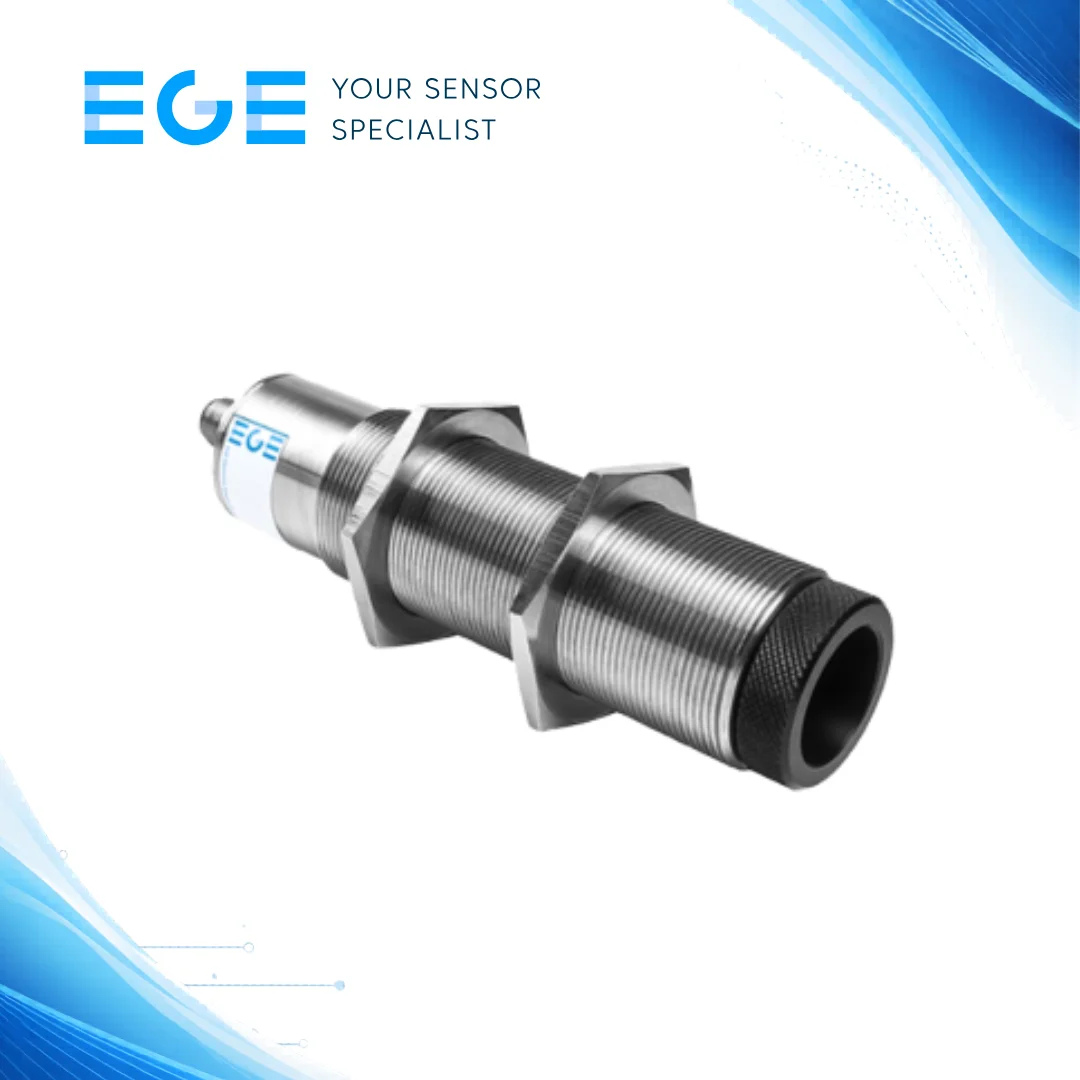
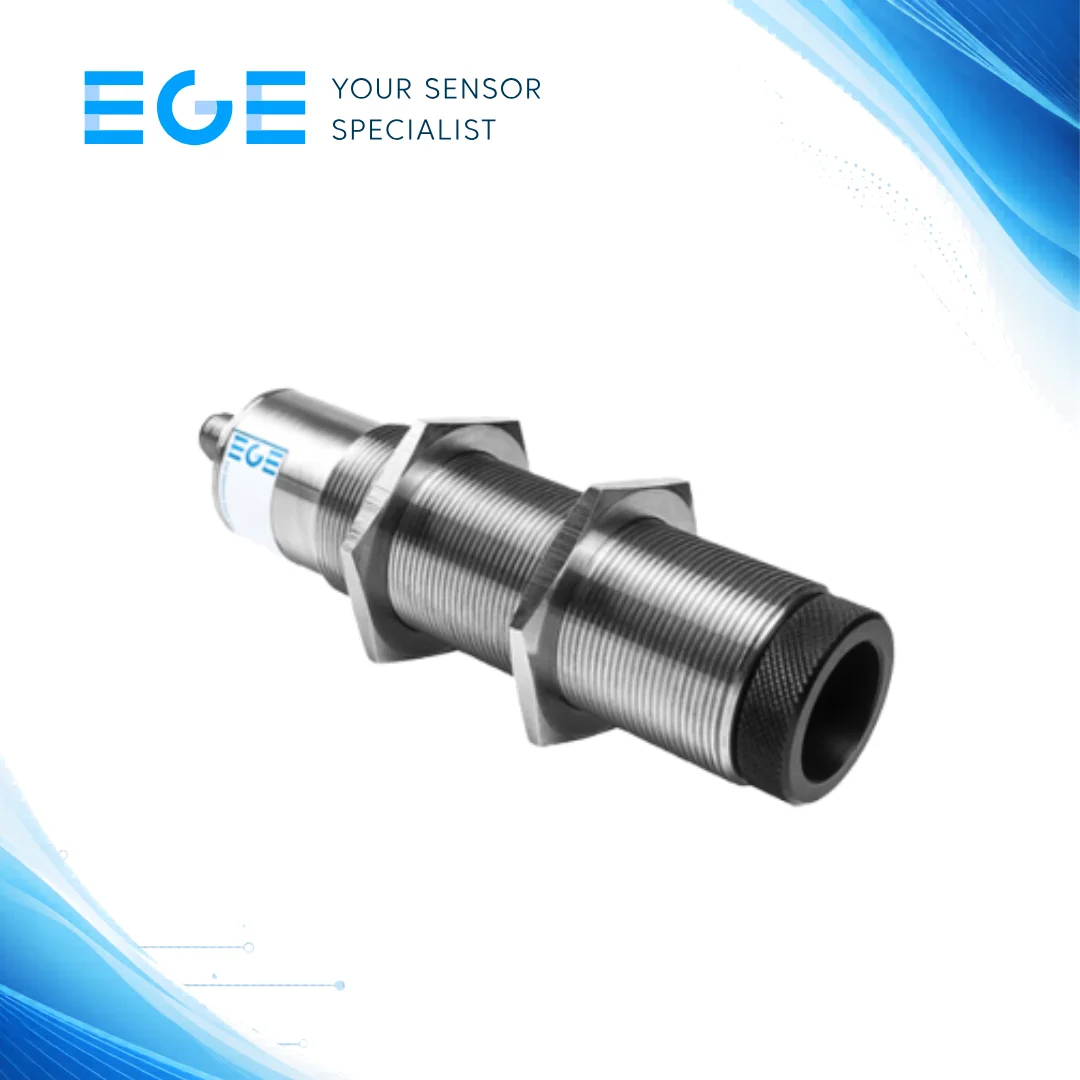
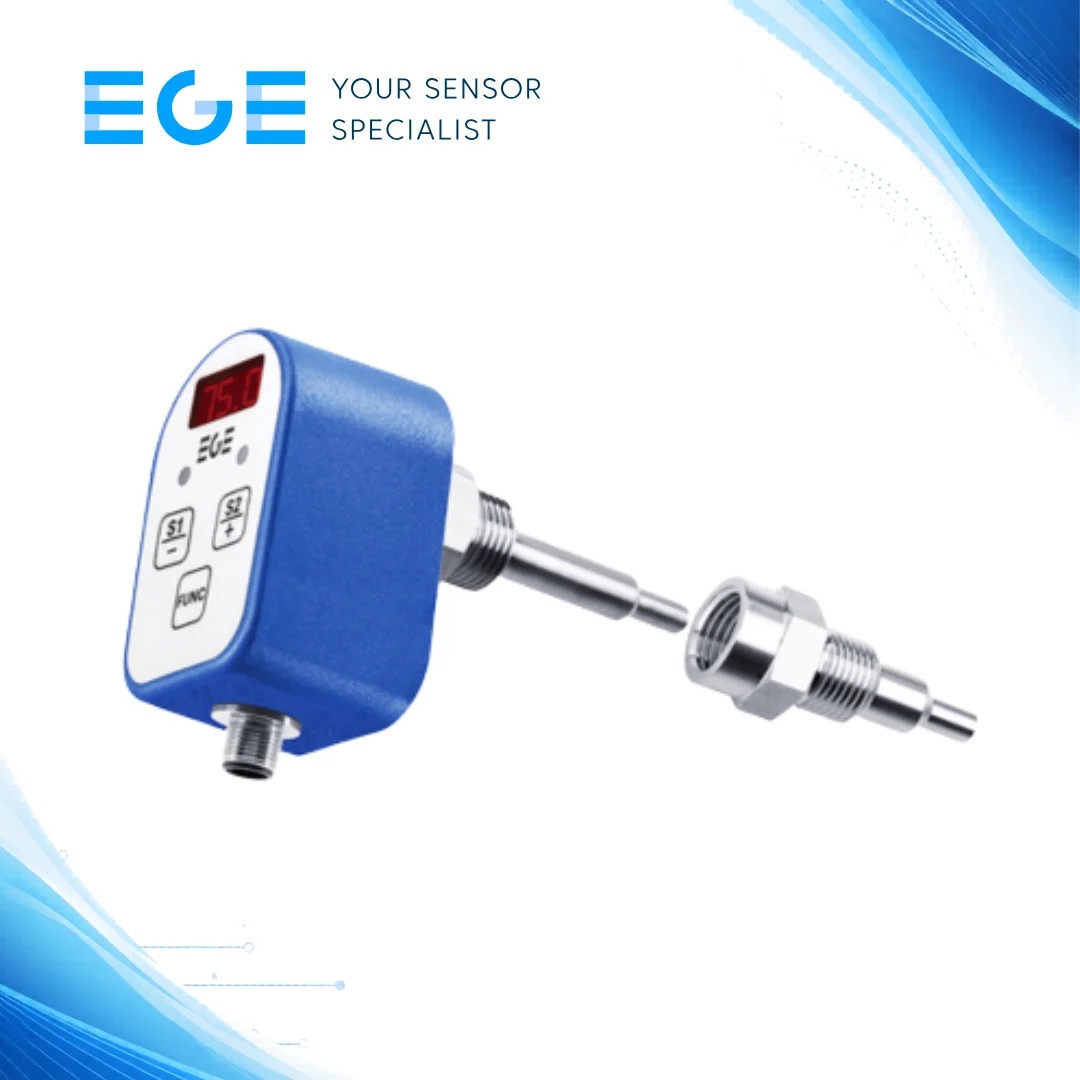
The thermocouple sensor is a critical component in industrial temperature measurement, engineered to deliver accurate and reliable readings across a wide temperature range. Designed for high-performance environments, it supports multiple element types including N, K, E, J, and T, making it adaptable to various industrial applications. Its robust construction ensures long-term durability even under extreme thermal conditions.
Key Features
- Wide temperature range from -200°C to +1050°C
- Multiple thermocouple types for diverse applications
- High durability with corrosion-resistant sheath materials
- Fast thermal response for real-time monitoring
- Flexible sensor diameter options for installation versatility
Application
This thermocouple sensor is widely used in industries such as manufacturing, metallurgy, power plants, chemical processing, and food production. It plays a vital role in furnace temperature monitoring, machinery heat control, and process automation systems where precise temperature tracking is essential for efficiency and safety.
Design & Functionality
The sensor is constructed with premium sheath materials such as SS316, SS310, and Inconel 600, ensuring resistance to heat, oxidation, and corrosion. Its design allows for consistent signal transmission and stable readings, even in fluctuating thermal environments. Various junction types including grounded and ungrounded configurations offer flexibility based on application needs.
Total Crossed Beams
The internal structure is optimized for consistent thermal contact, ensuring accurate heat detection and minimal signal interference across all measurement points.
Beam Pitch Options
The sensor supports a range of diameter sizes from ø1.0 mm to ø21.7 mm, allowing users to select the appropriate configuration based on installation and measurement requirements.
Intrinsic Synchronism
The thermocouple maintains synchronized temperature response across the sensing element, ensuring precise and stable readings without lag or deviation.
Operational Advantages
- High reliability in extreme environments
- Long operational lifespan with minimal maintenance
- Versatile compatibility across industrial systems
- Accurate temperature measurement for critical processes
- Enhanced safety through consistent monitoring