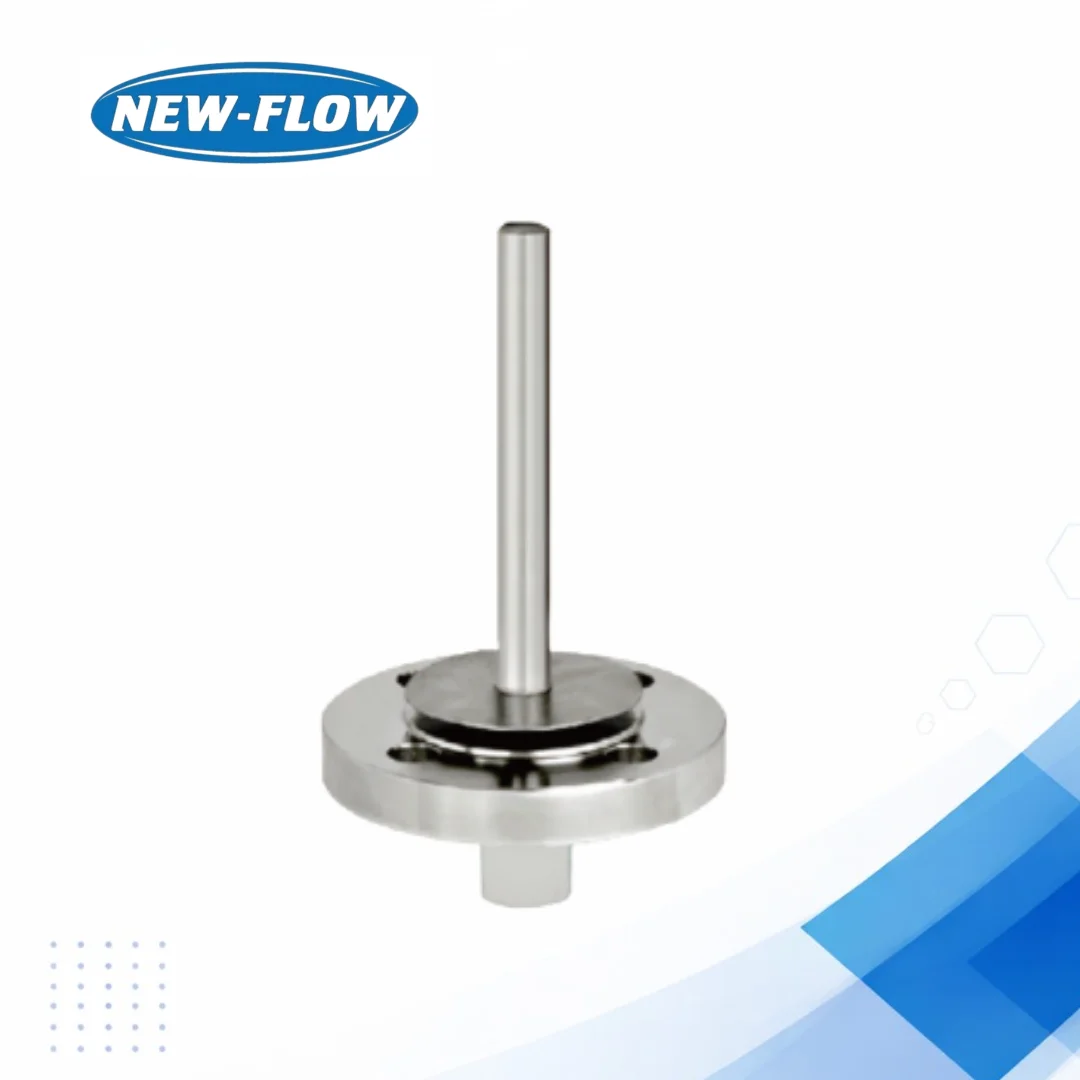
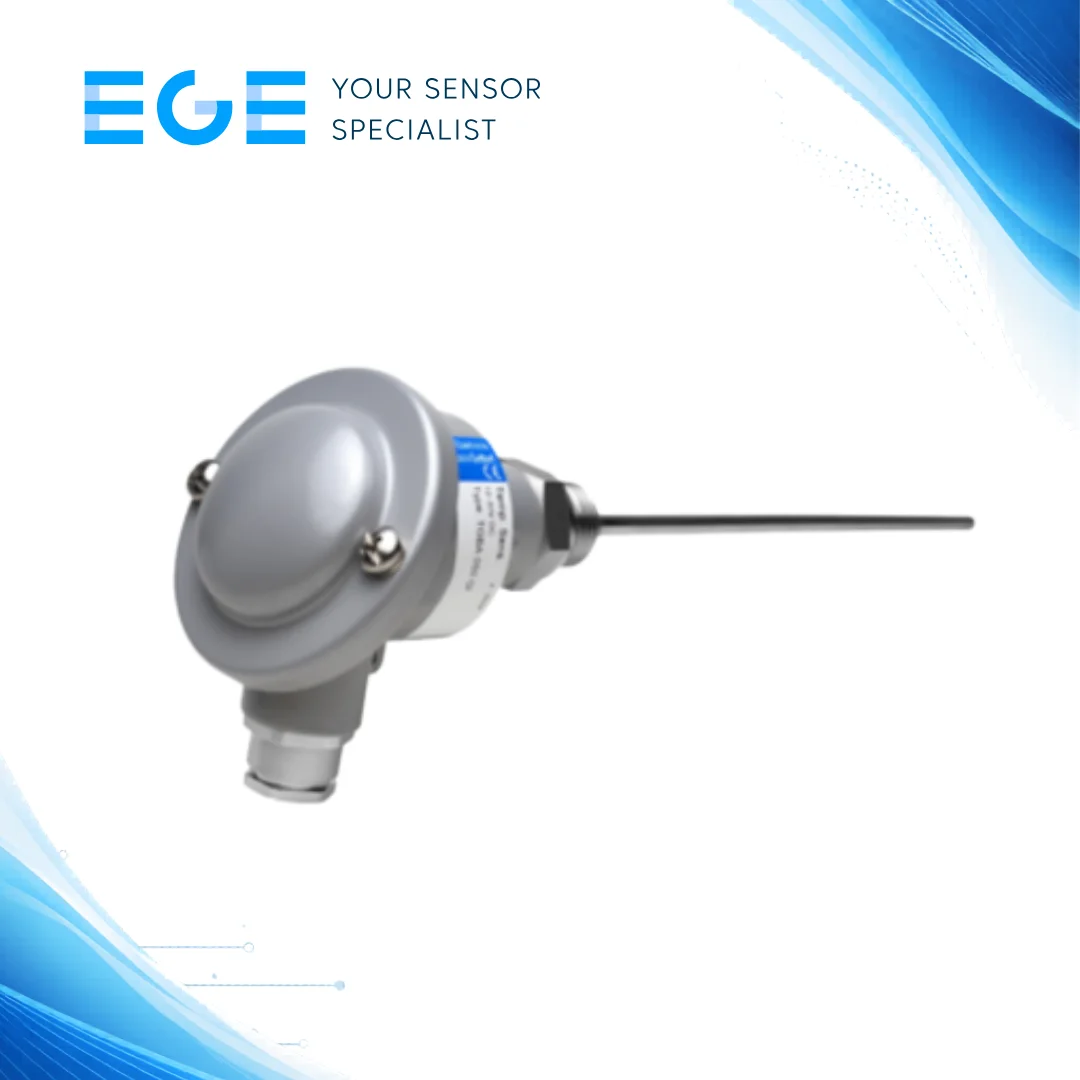
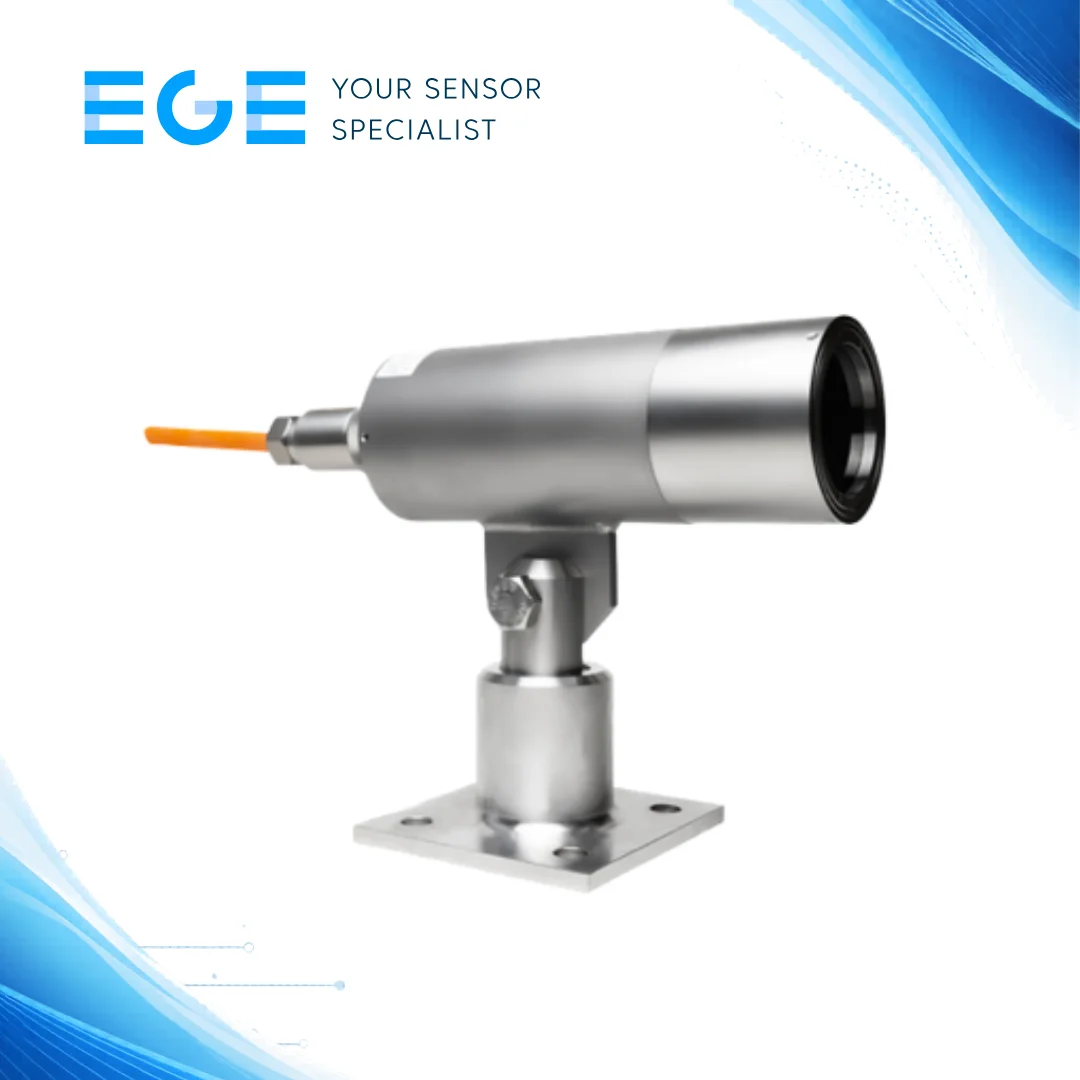
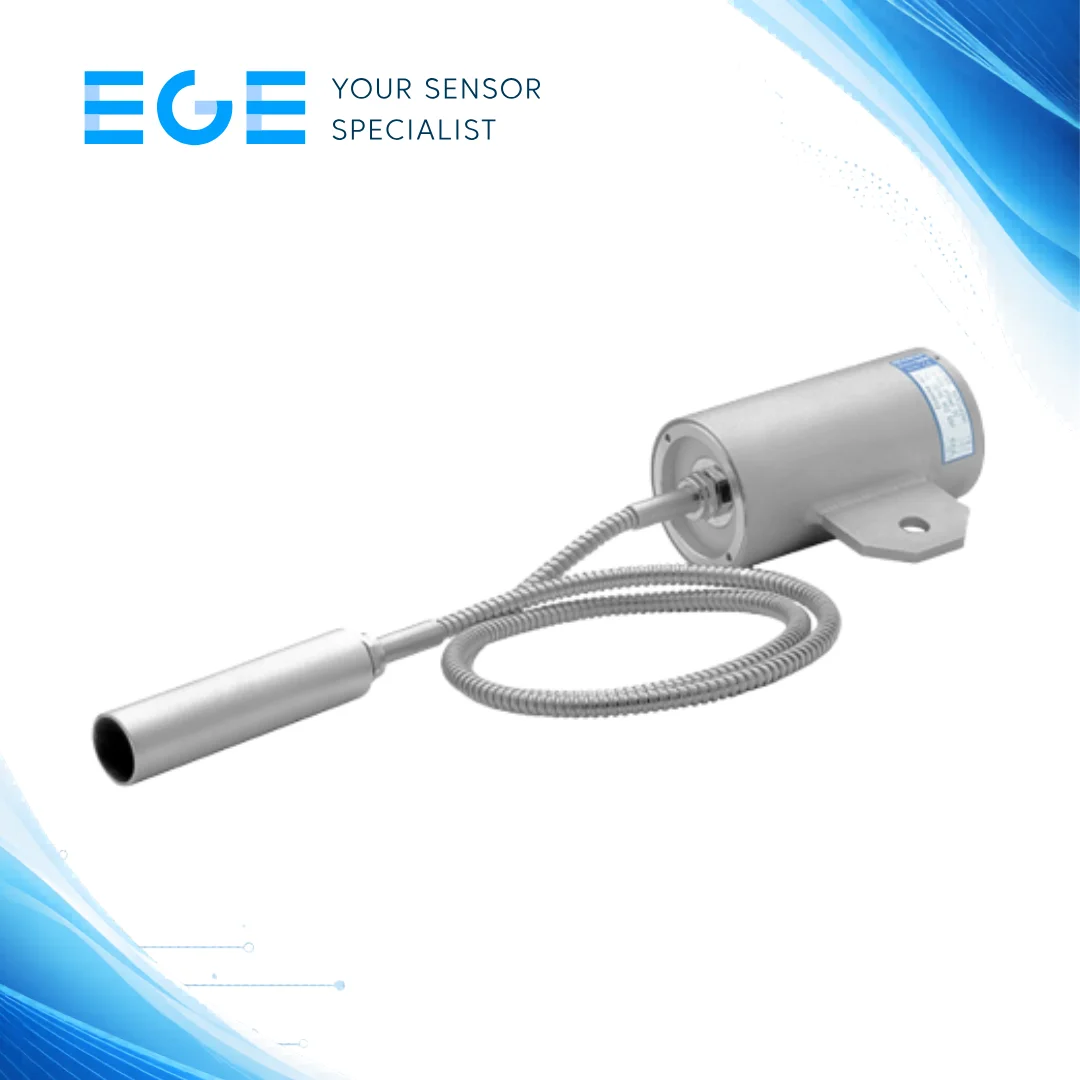
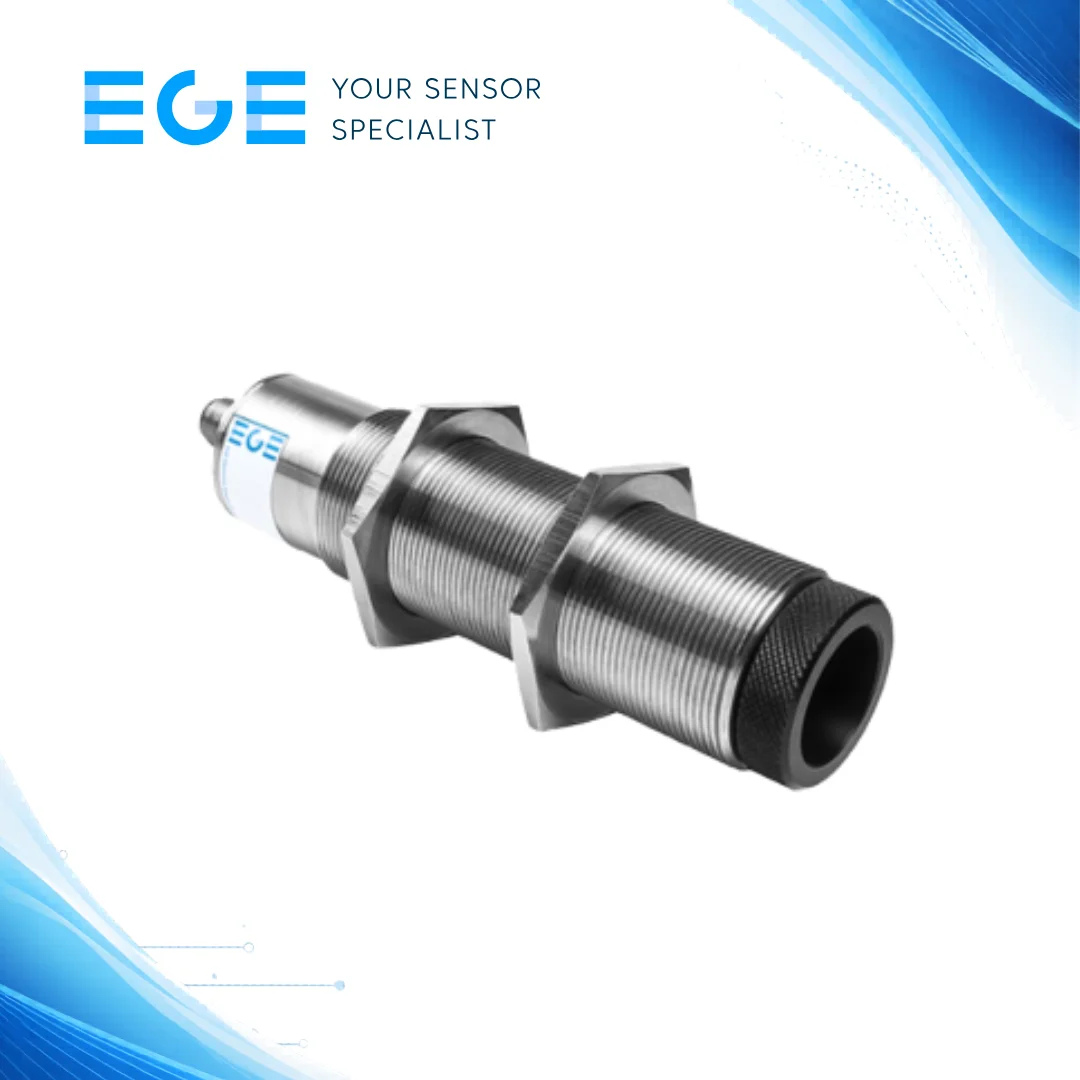
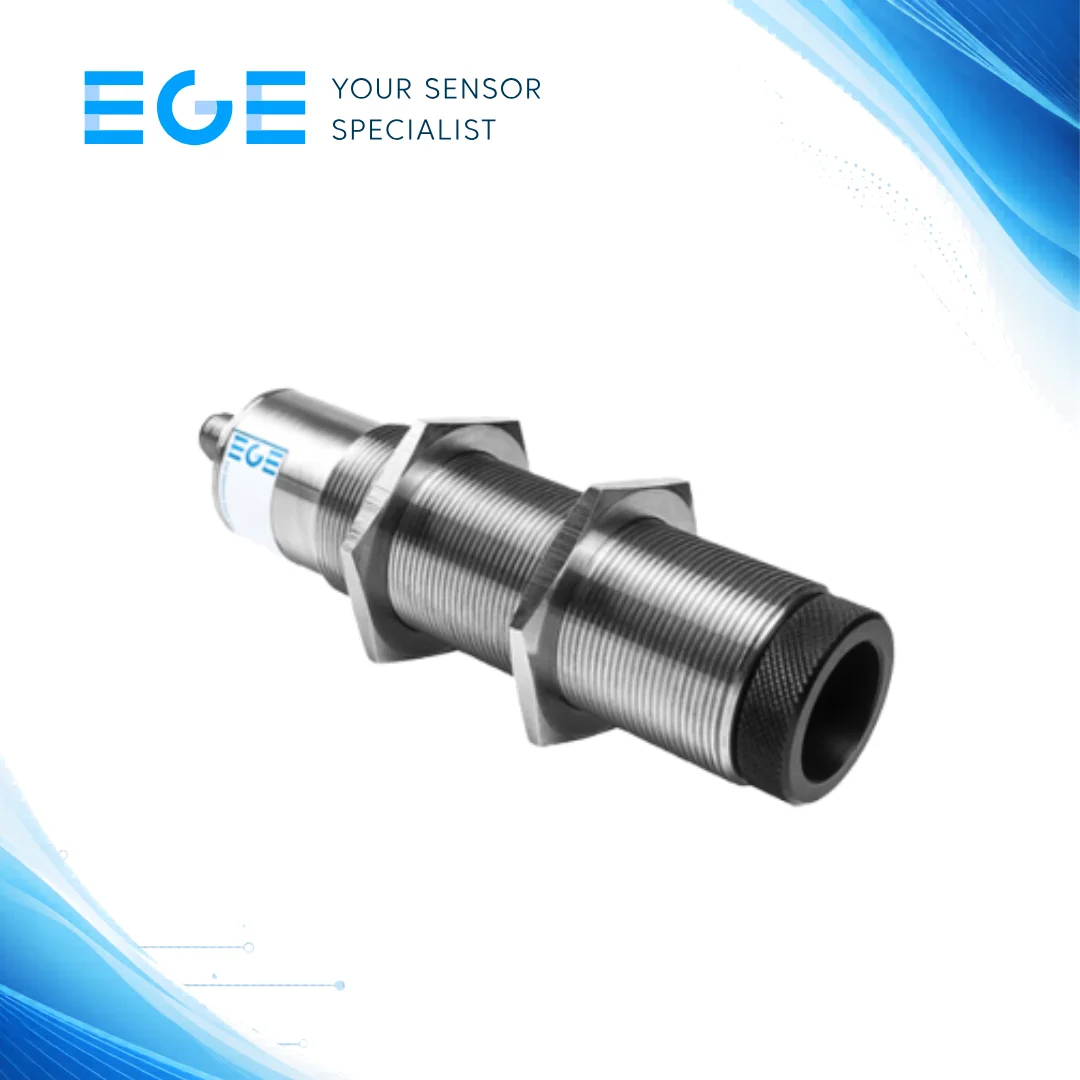
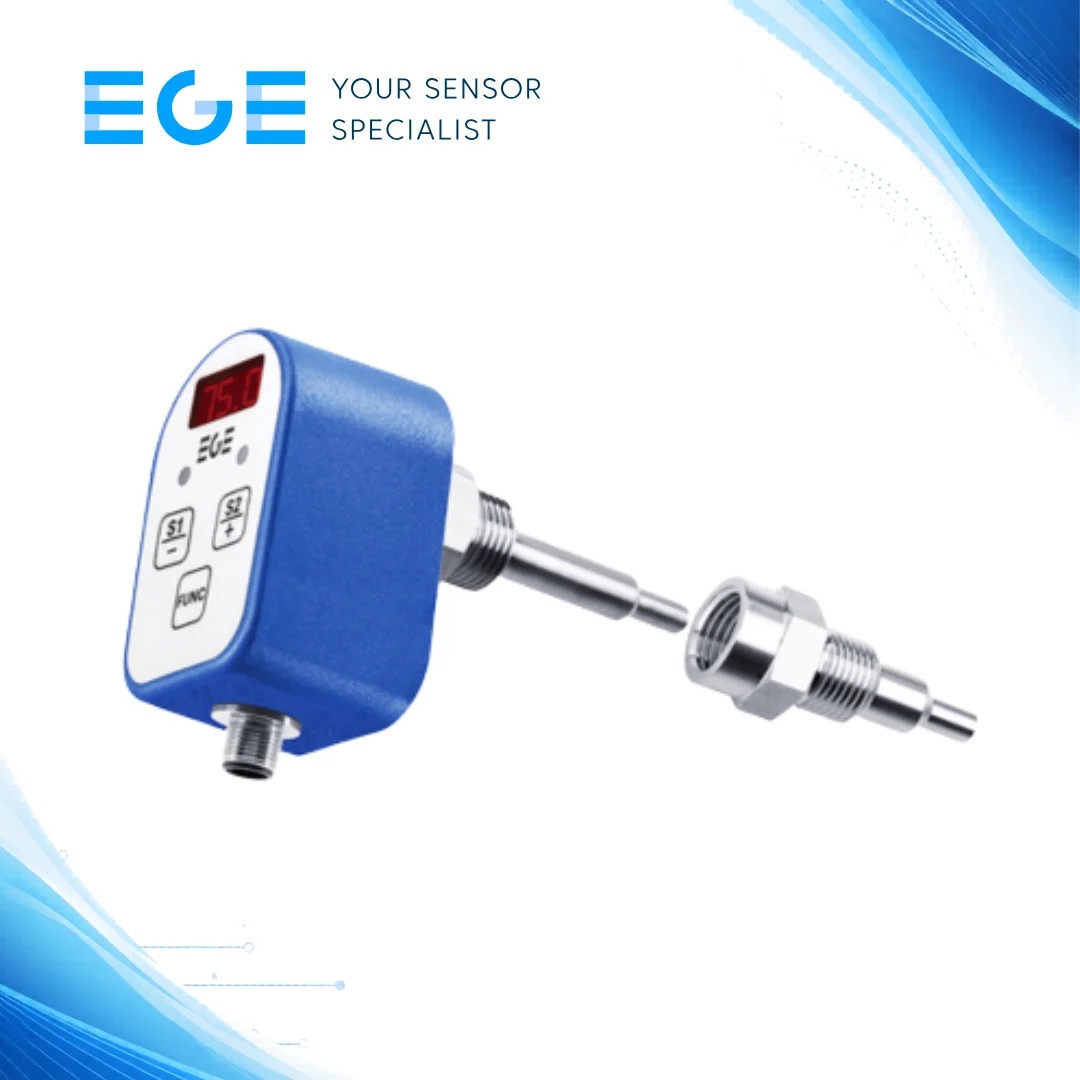
General Thermowell is a critical component designed to safeguard temperature sensors such as thermocouples and RTDs in industrial processing environments. It serves as a protective barrier between the sensor and aggressive process media, ensuring measurement reliability while extending equipment lifespan. Built for durability and precision, it supports efficient monitoring in industries requiring accurate thermal control.
Key Features
- High-strength construction for extreme pressure and temperature conditions
- Corrosion-resistant materials suitable for chemical and harsh environments
- Compatible with thermocouples and RTD sensors
- Available in threaded, flanged, and welded configurations
- Enables sensor replacement without process shutdown
Application
General Thermowell is widely used across multiple industries including oil & gas, chemical processing, power generation, and manufacturing plants. It is ideal for pipelines, reactors, boilers, and storage tanks where direct sensor exposure could lead to damage or inaccurate readings.
Design & Functionality
The thermowell is engineered as a cylindrical or tapered tube inserted into the process stream. It isolates the sensing element from pressure, flow, and corrosive substances while maintaining efficient heat transfer for accurate readings. This ensures both safety and measurement precision.
Total Crossed Beams
Its internal structure is optimized to withstand mechanical stresses caused by fluid velocity and vibration, ensuring long-term structural integrity and consistent performance under demanding industrial conditions.
Beam Pitch Options
Various design configurations are available to match process requirements, including different insertion lengths, diameters, and mounting styles, allowing seamless integration with existing systems.
Intrinsic Synchronism
The thermowell maintains a stable thermal response, ensuring synchronized temperature measurement between the process medium and the sensing device without signal distortion.
Operational Advantages
- Protects sensors from corrosion, erosion, and mechanical stress
- Reduces maintenance costs and downtime
- Enhances safety in high-pressure environments
- Improves measurement accuracy and process efficiency
- Supports long-term industrial reliability