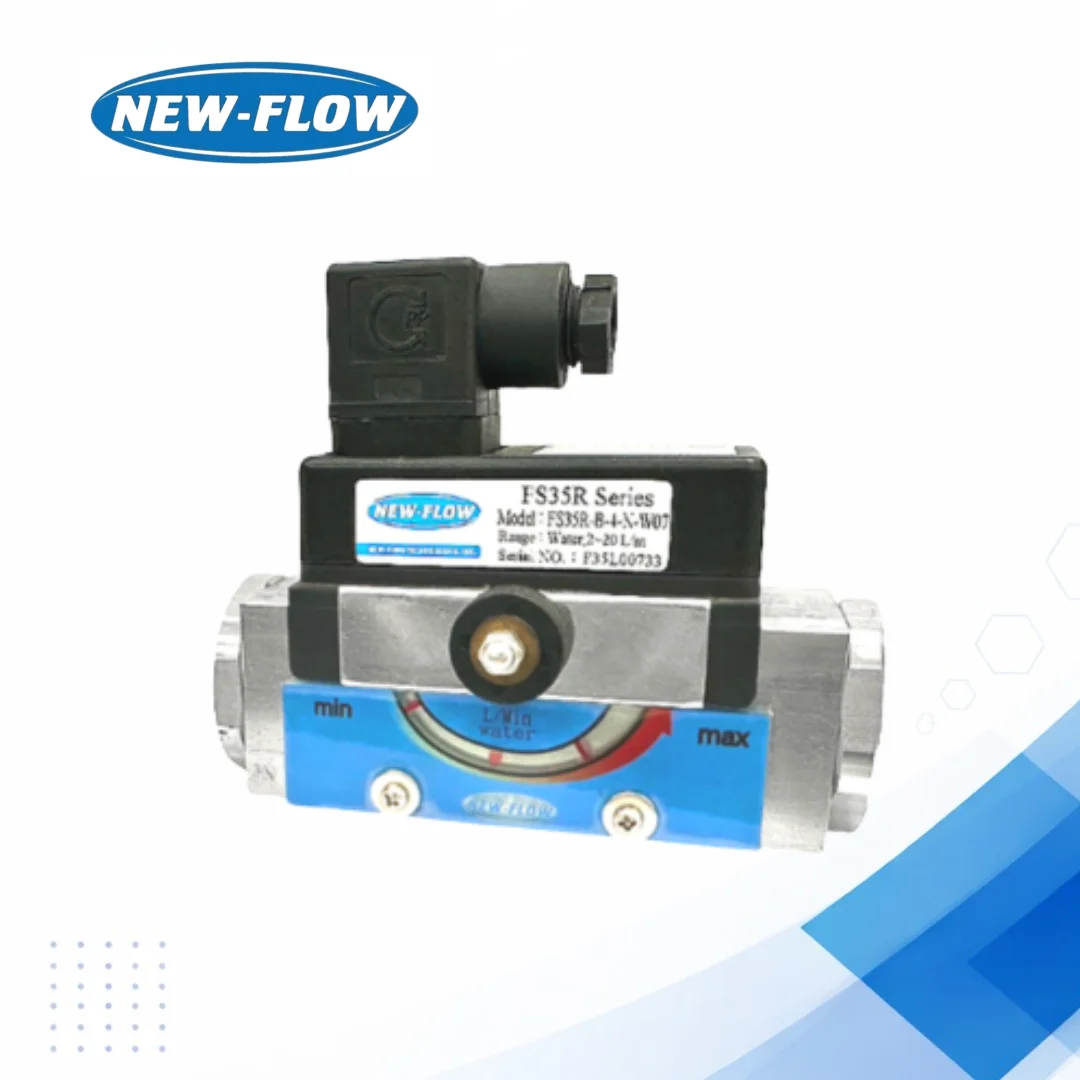
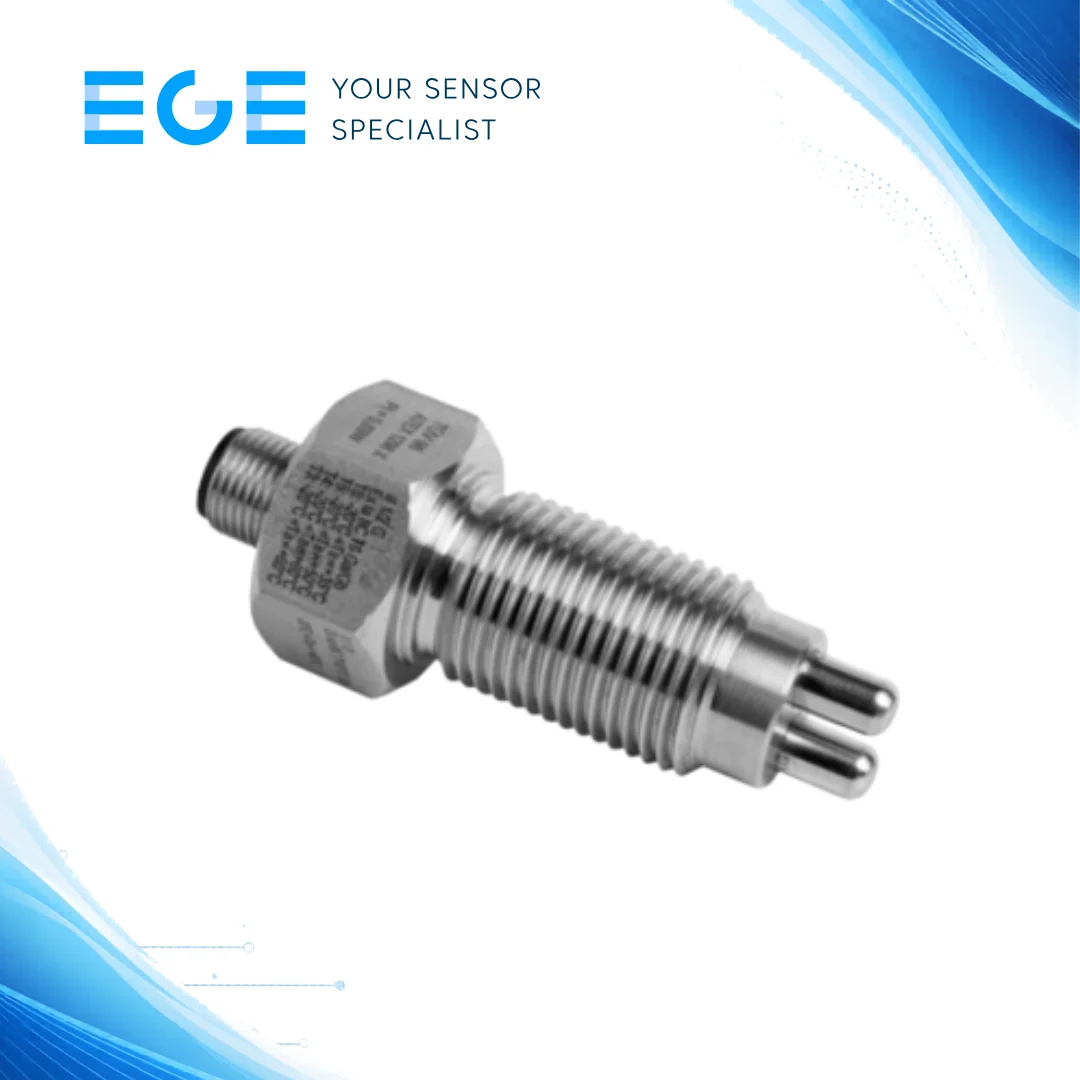
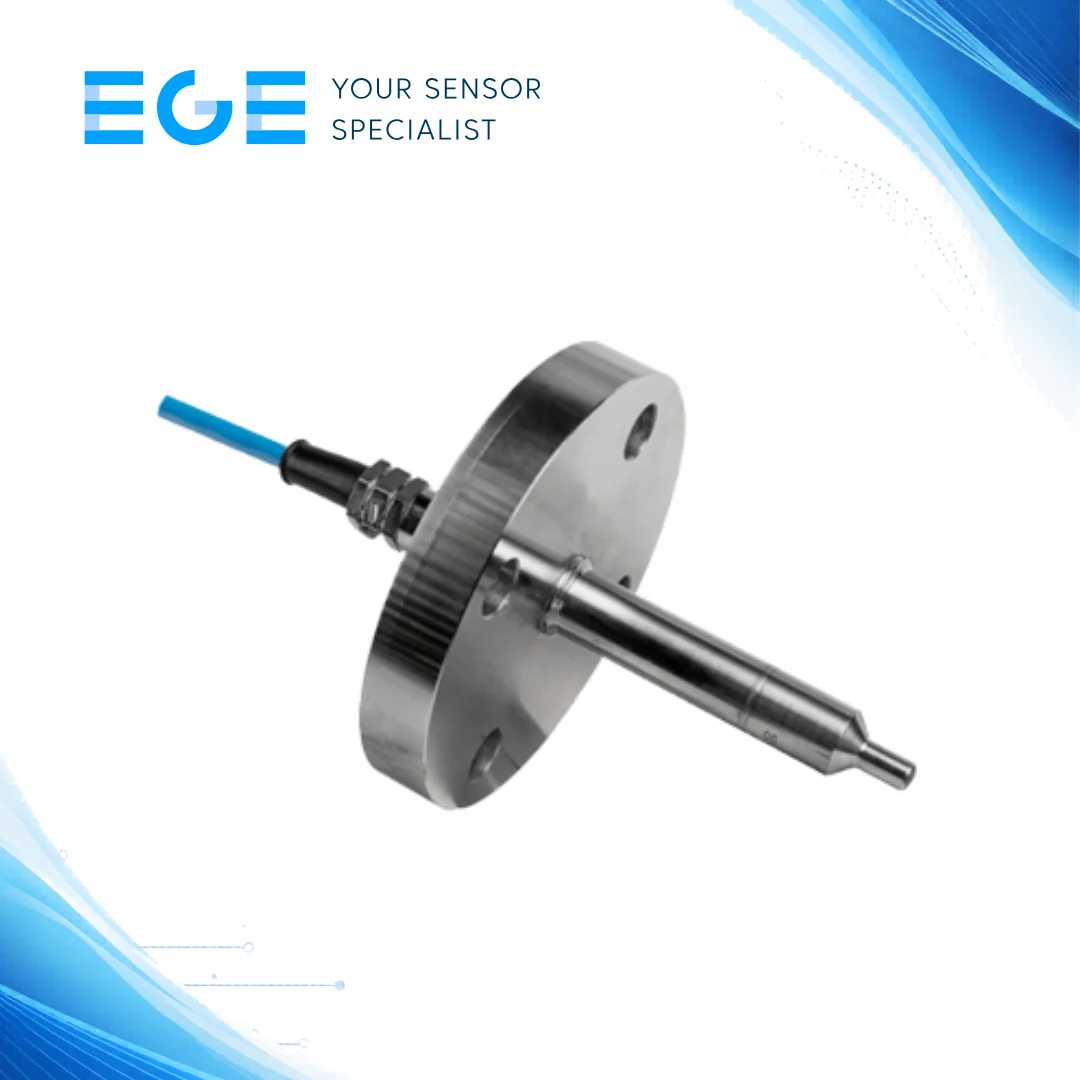
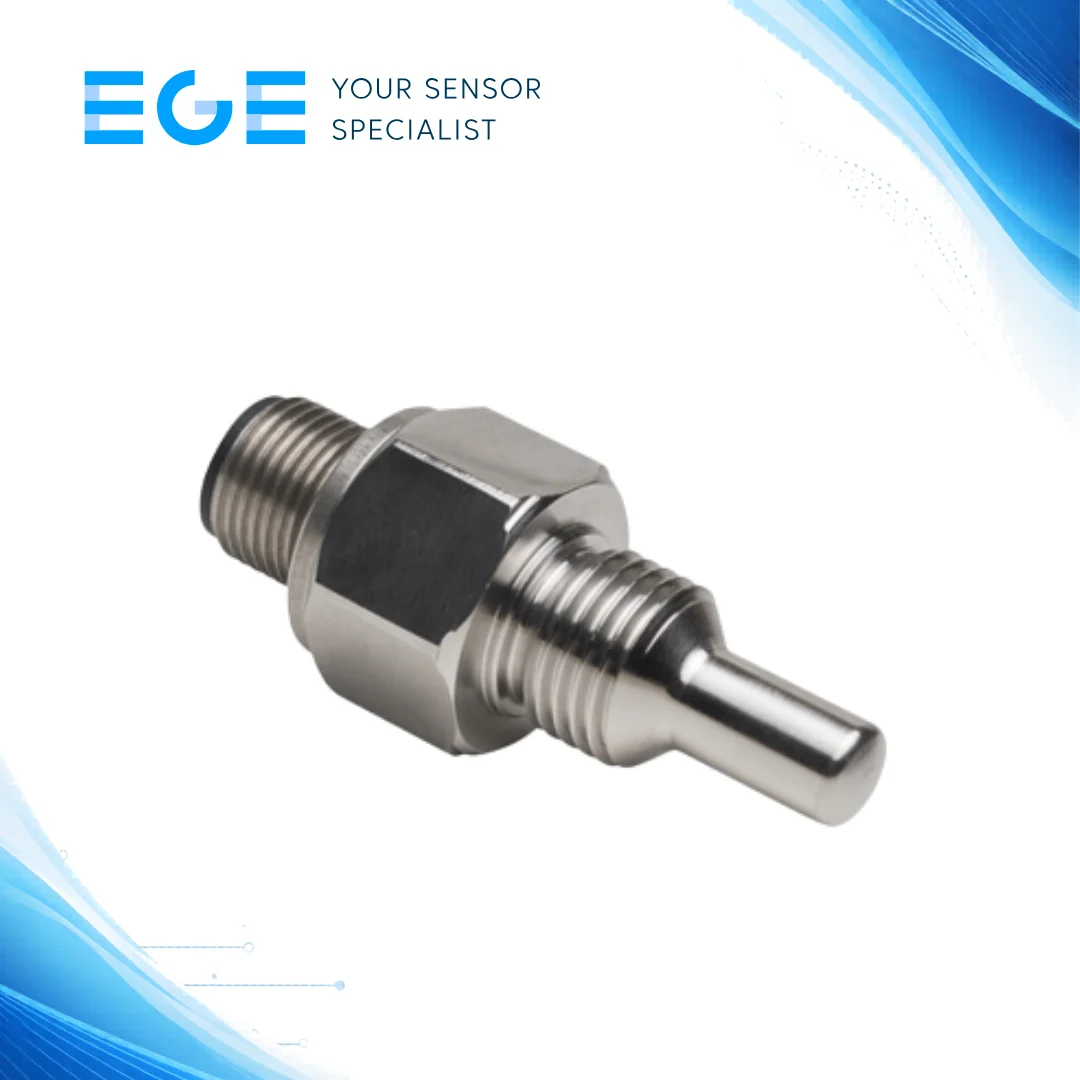
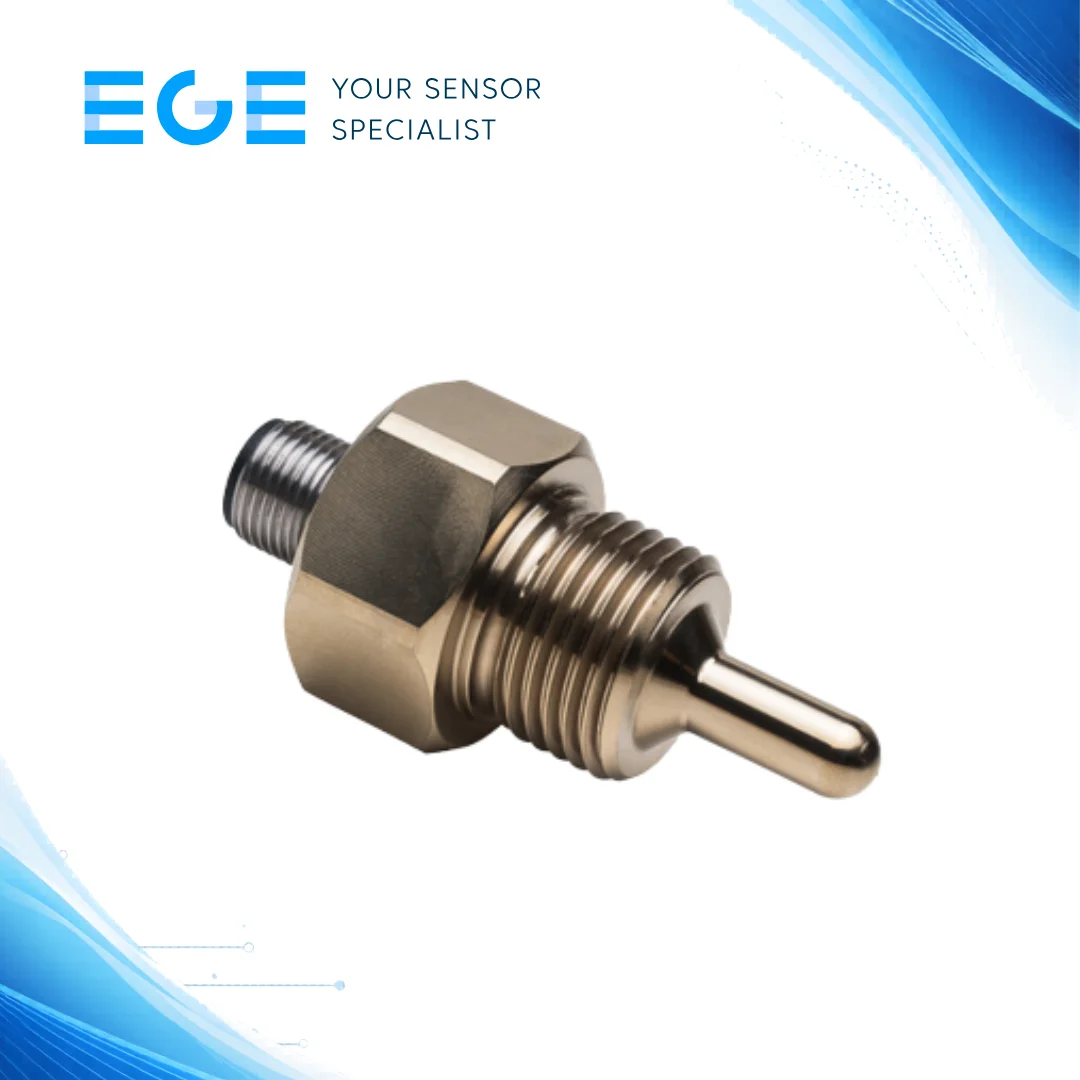
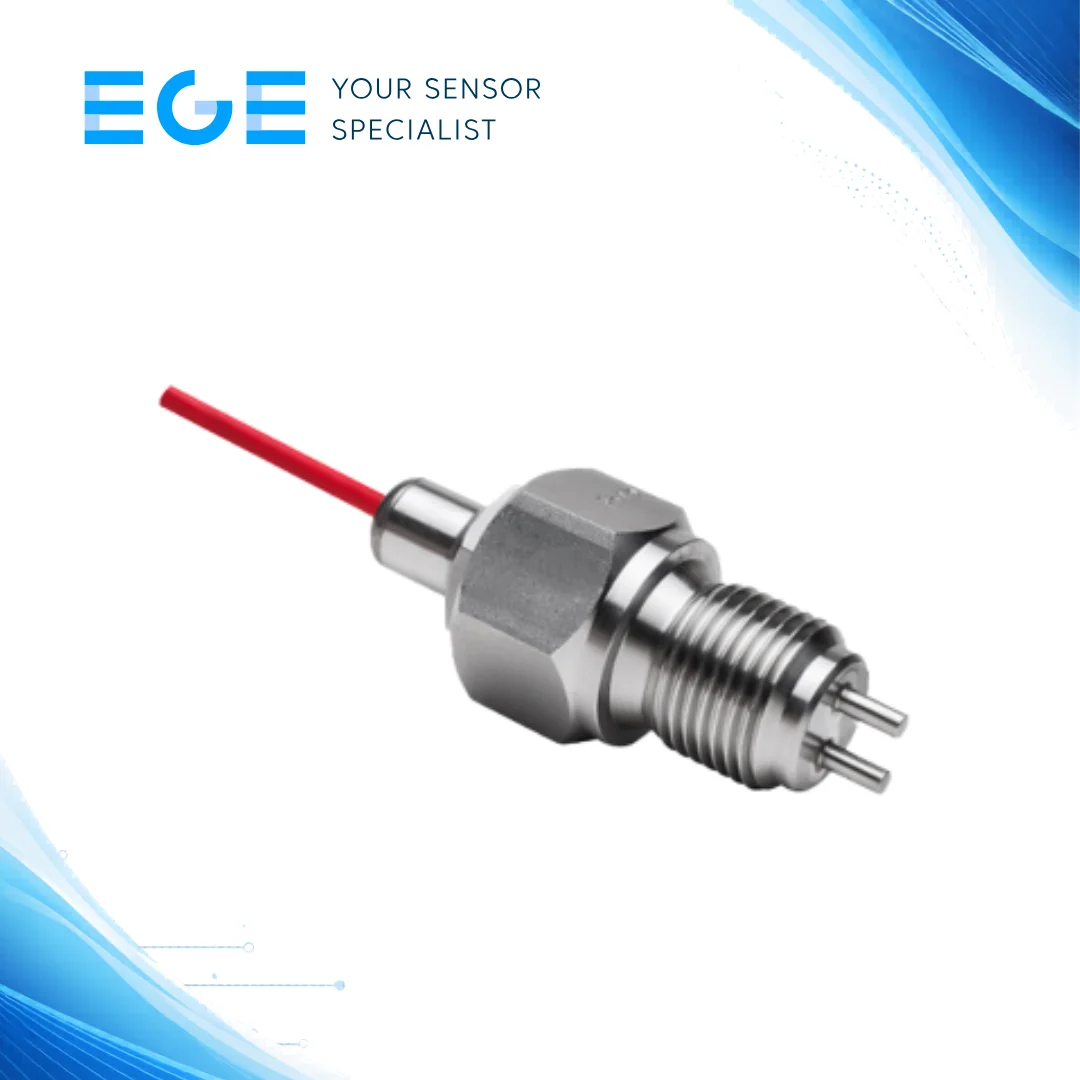
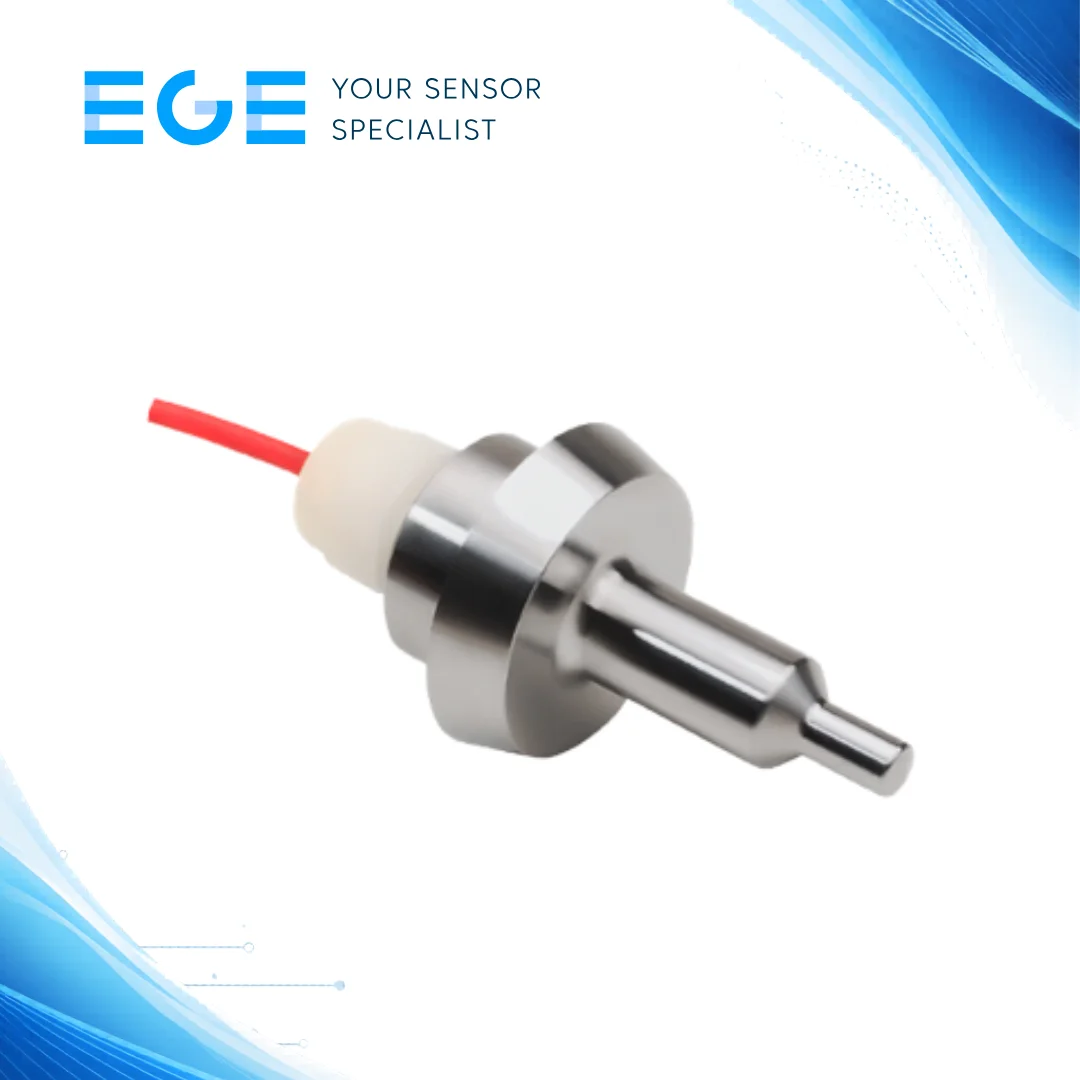
The FS35R Flow Switch is engineered for precise flow monitoring in industrial environments, offering dependable performance for both liquid and gaseous media. Designed with a piston-based mechanism, it ensures accurate detection of flow conditions, making it an essential component in fluid control systems. This switch is widely used in pipelines, automation setups, and machinery protection systems where consistent flow monitoring is crucial.
Key Features
- Piston-based sensing for reliable flow detection
- Suitable for both liquids and gases
- Magnetic actuation for precise switching
- High durability with brass or stainless steel wetted parts
- IP65 protection for harsh industrial environments
- Compact design for easy installation in pipelines
Application
The FS35R Flow Switch is commonly used in industrial pipelines, cooling systems, HVAC units, and process automation environments. It plays a critical role in preventing dry run conditions in pumps, ensuring safe operation of fluid systems, and maintaining process efficiency. It is also ideal for monitoring flow in chemical processing, water treatment plants, and manufacturing units.
Design & Functionality
This flow switch operates using a spring-supported piston mechanism. When fluid passes through the system, it moves the piston, triggering a magnetic actuation that activates the micro switch. This design ensures fast response and high accuracy in detecting flow variations. The robust construction allows it to perform reliably even under varying pressure and temperature conditions.
Total Crossed Beams
The FS35R is designed to ensure stable detection across flow paths, maintaining consistent switching performance regardless of flow direction or system fluctuations.
Beam Pitch Options
Optimized internal spacing allows the piston to respond effectively to different flow rates, ensuring flexibility across various industrial applications.
Intrinsic Synchronism
The magnetic actuation system ensures synchronized switching action, providing consistent and repeatable performance in automated systems.
Operational Advantages
- Prevents equipment damage caused by flow interruption
- Enhances system safety and operational efficiency
- Reduces maintenance costs by early detection of faults
- Suitable for diverse industrial applications with minimal setup
- Ensures long-term reliability in demanding environments