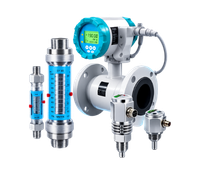
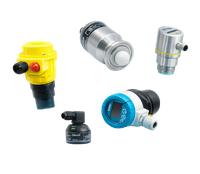
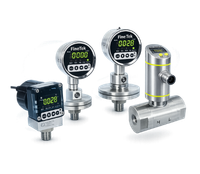
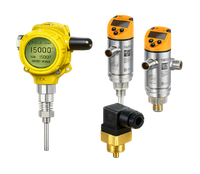
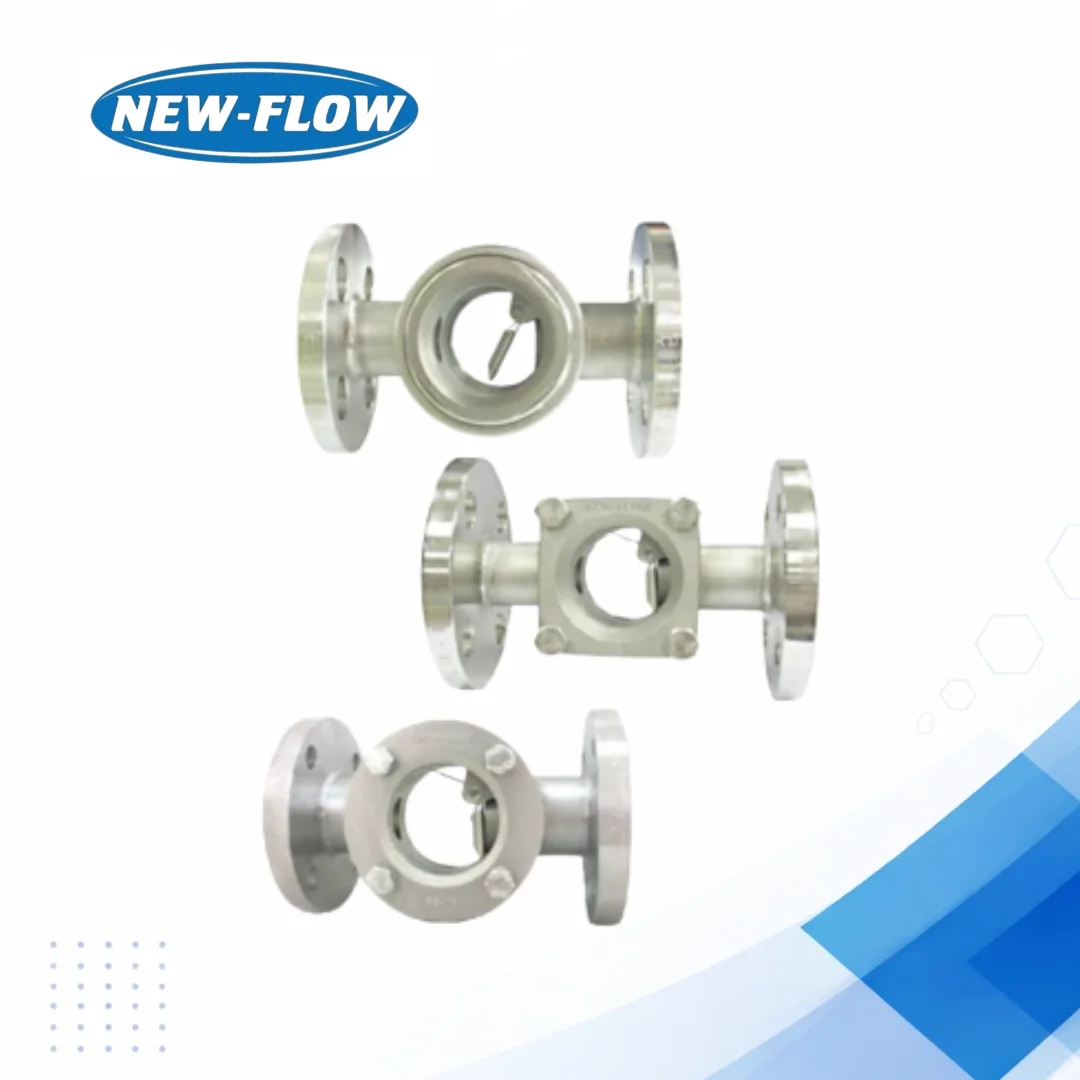
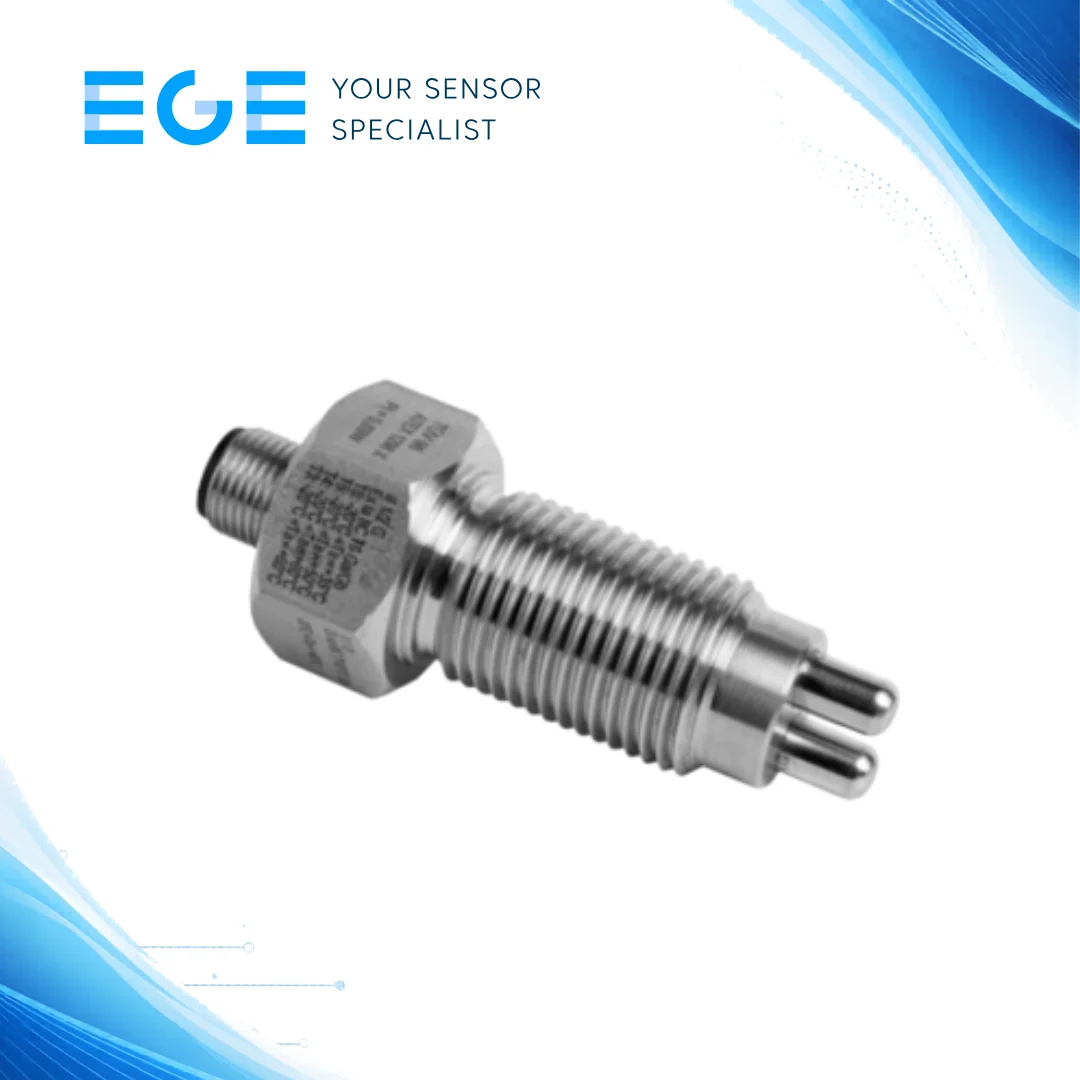
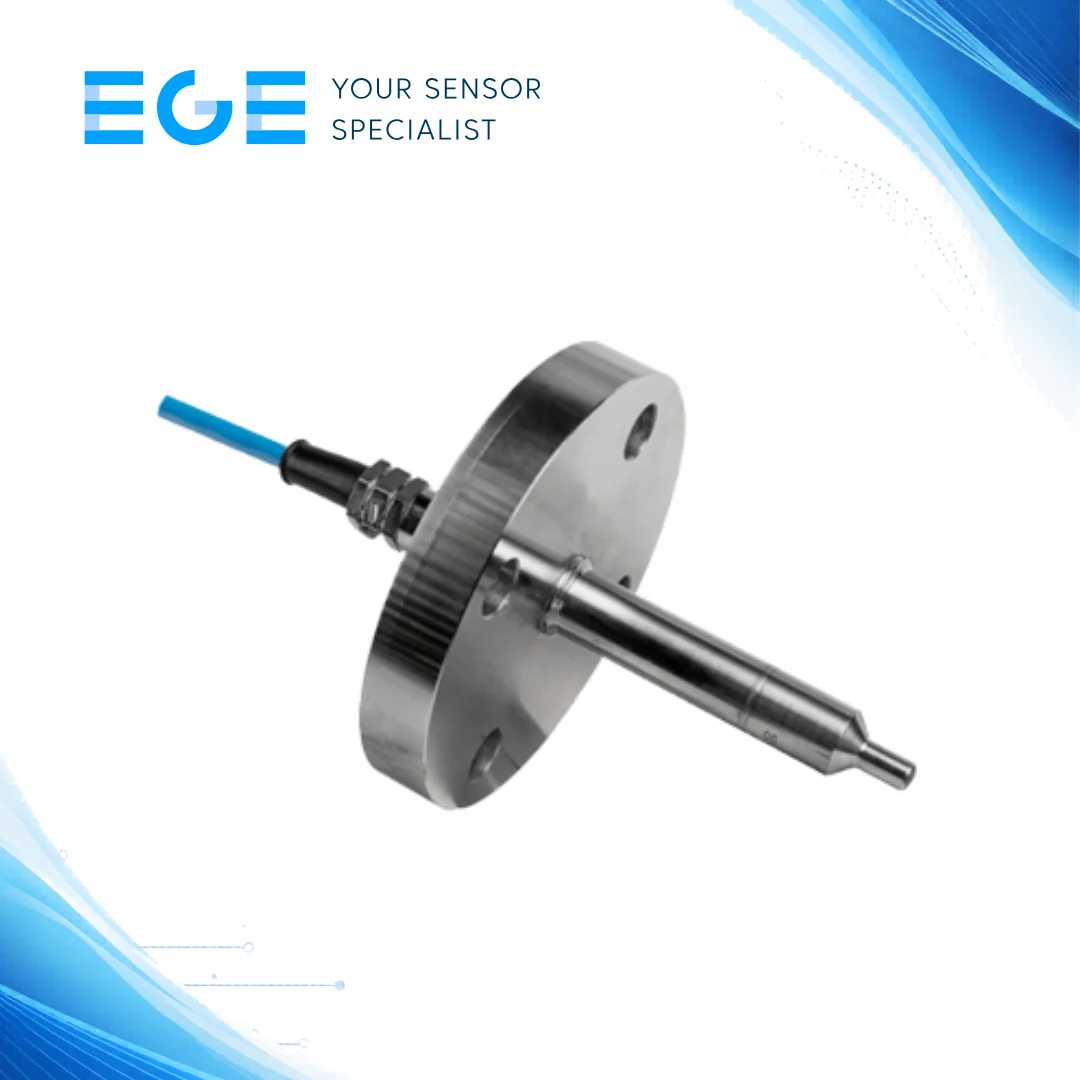
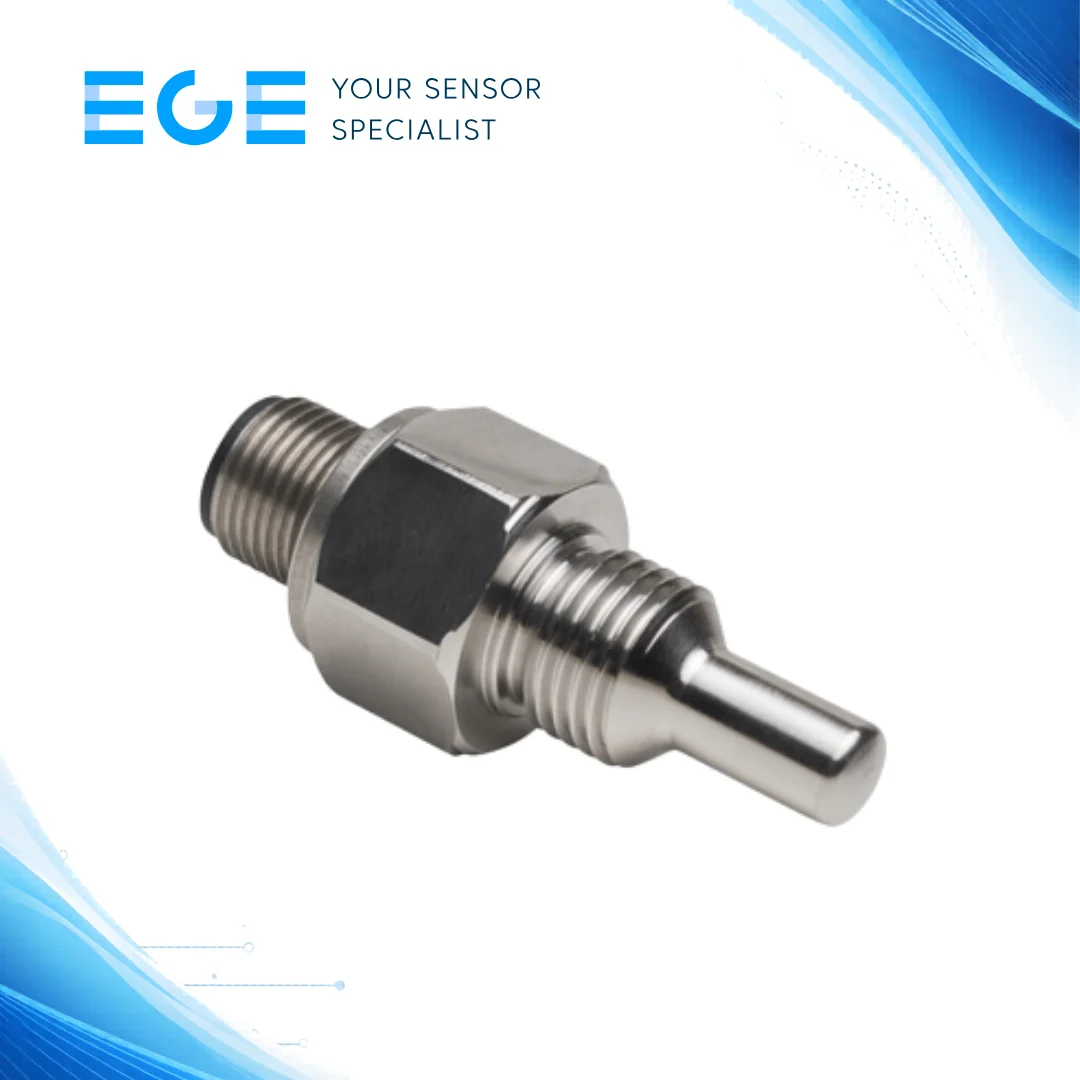
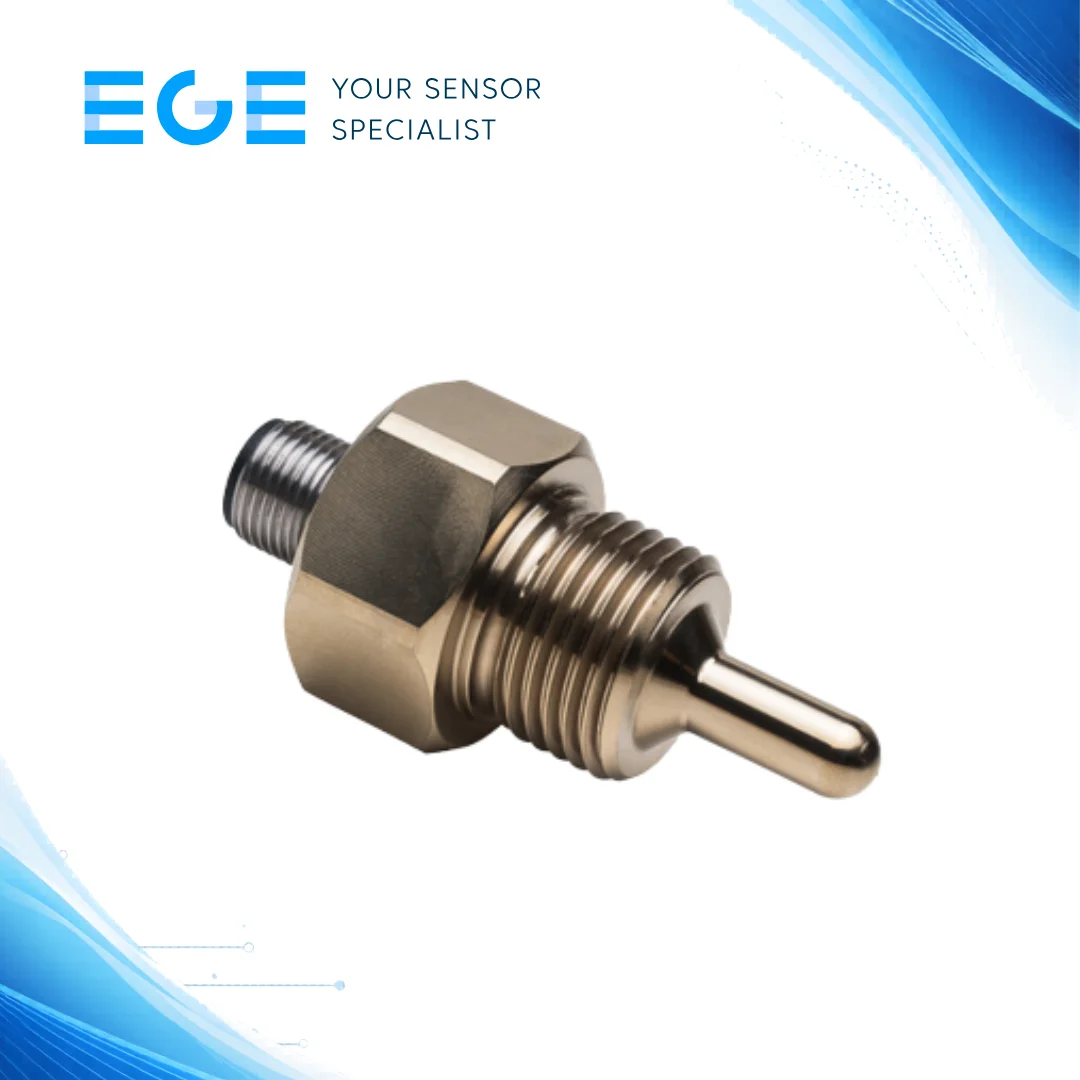
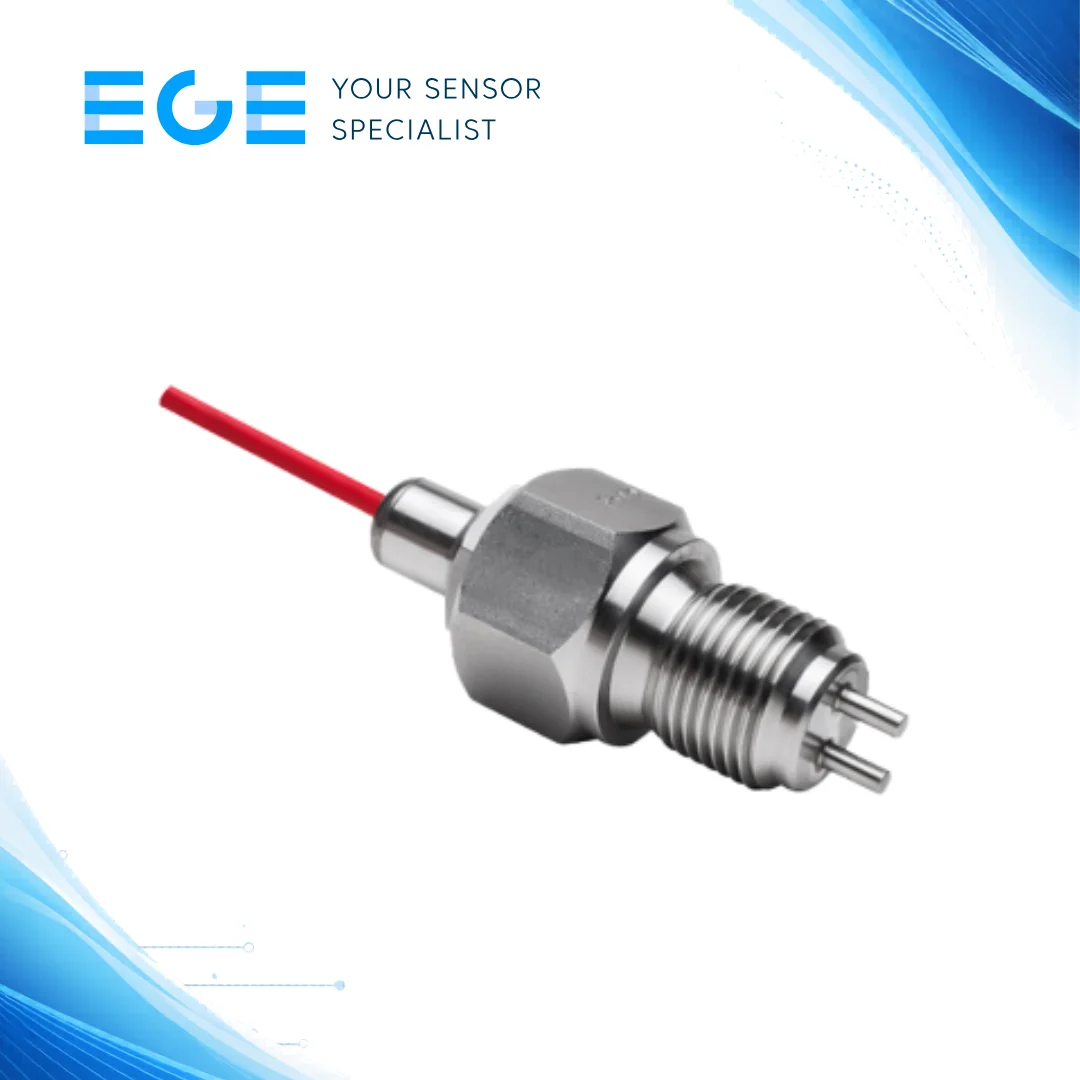
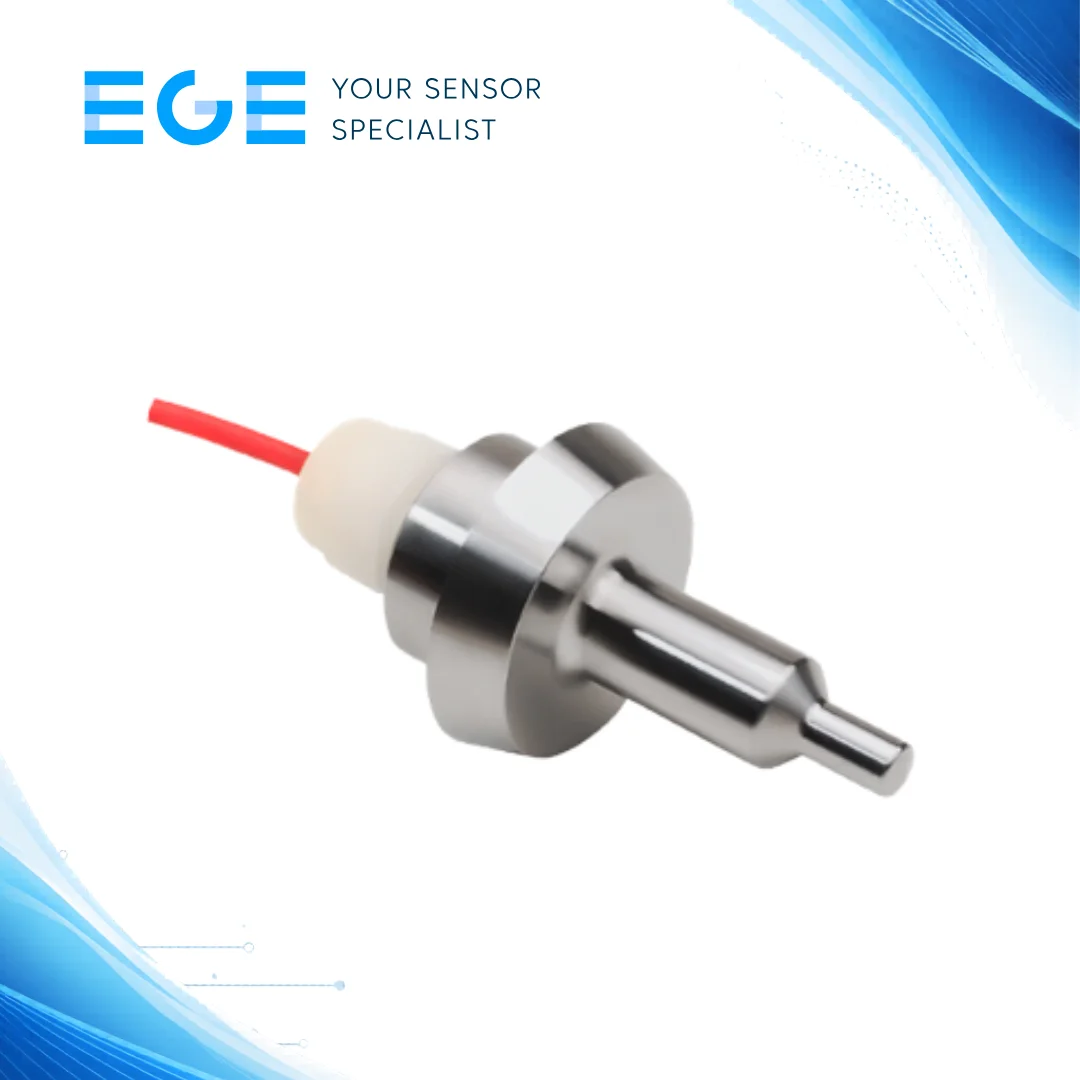
The F Series Sight Glass is a critical component for industrial flow monitoring, enabling direct visual inspection of fluids inside pipelines. Designed for precision and durability, it provides clear visibility to ensure process integrity across manufacturing, chemical processing, water treatment, and energy industries. This flow inspection device supports proactive maintenance and improves operational efficiency.
Key Features
- High-clarity viewing window for accurate fluid observation
- Corrosion-resistant stainless steel body construction
- Multiple gasket options for leak-proof sealing
- Compatible with both threaded and flange connections
- Wide size range for versatile installation requirements
Application
The F Series Sight Glass is widely used in industrial pipelines where visual monitoring is essential. It is suitable for chemical processing plants, food and beverage systems, water treatment facilities, and oil and gas operations. It helps operators identify flow irregularities, air bubbles, contamination, and blockages in real time.
Design & Functionality
Engineered with a robust body and precision sealing, this sight glass ensures safe operation under varying pressure and temperature conditions. The transparent viewing section allows continuous monitoring without interrupting the process flow. Its compact and durable design ensures long service life even in harsh industrial environments.
Total Crossed Beams
The internal structure is optimized to provide unobstructed visibility across the flow path, ensuring accurate inspection without distortion. This enhances monitoring efficiency and supports quick decision-making.
Beam Pitch Options
The design allows consistent flow visualization regardless of pipeline size. It accommodates various connection sizes, ensuring compatibility with different system configurations.
Intrinsic Synchronism
The sight glass operates seamlessly within the pipeline system, maintaining alignment with flow conditions and ensuring consistent visual feedback without affecting process performance.
Operational Advantages
- Reduces downtime by enabling early detection of flow issues
- Enhances safety by allowing non-invasive inspection
- Improves process control and efficiency
- Minimizes maintenance costs through real-time monitoring
- Ensures compliance with industrial safety standards