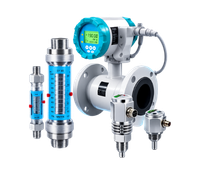
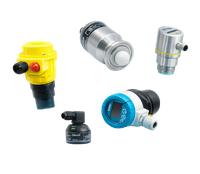
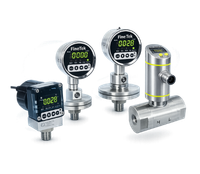
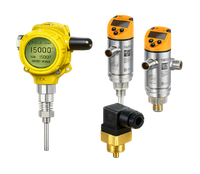
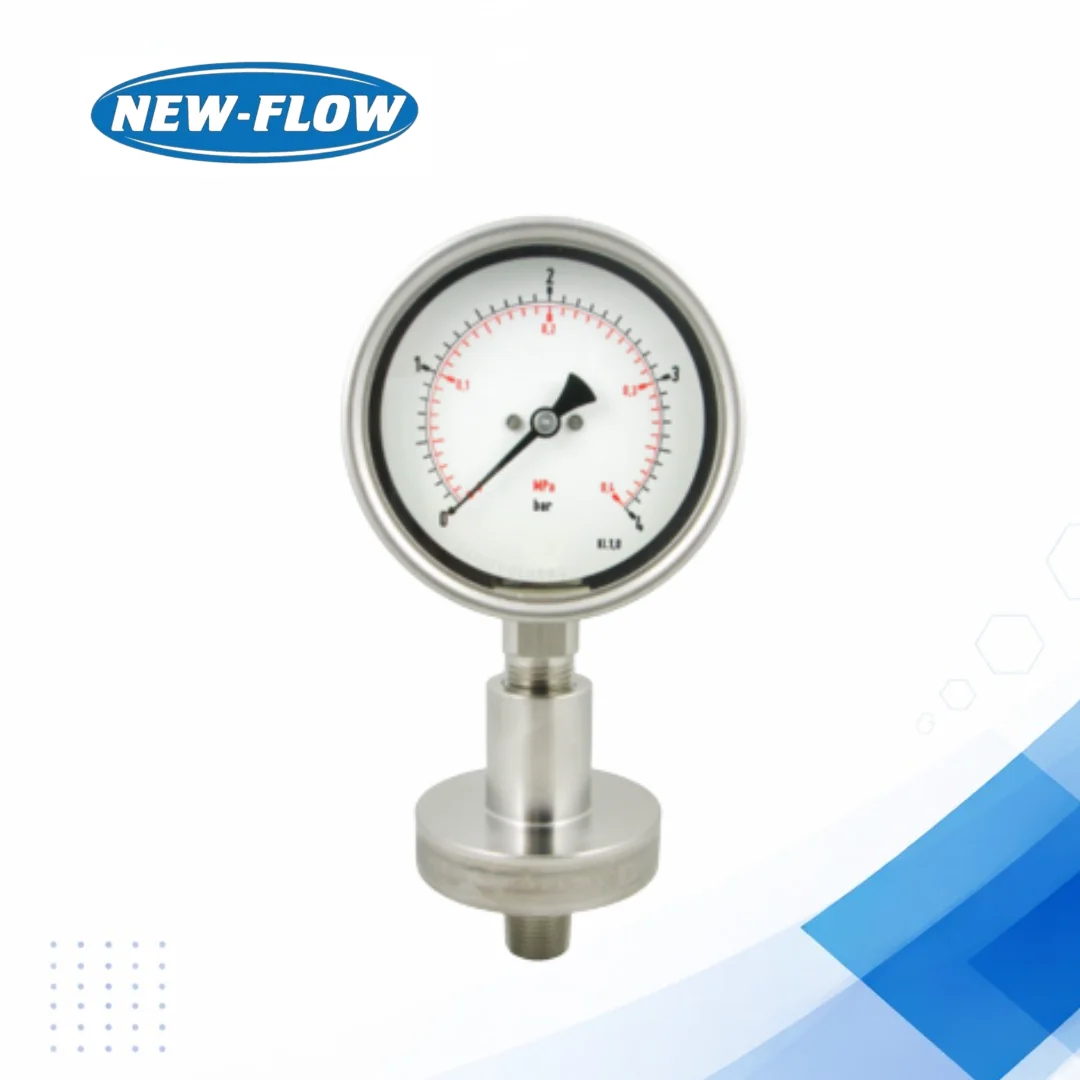
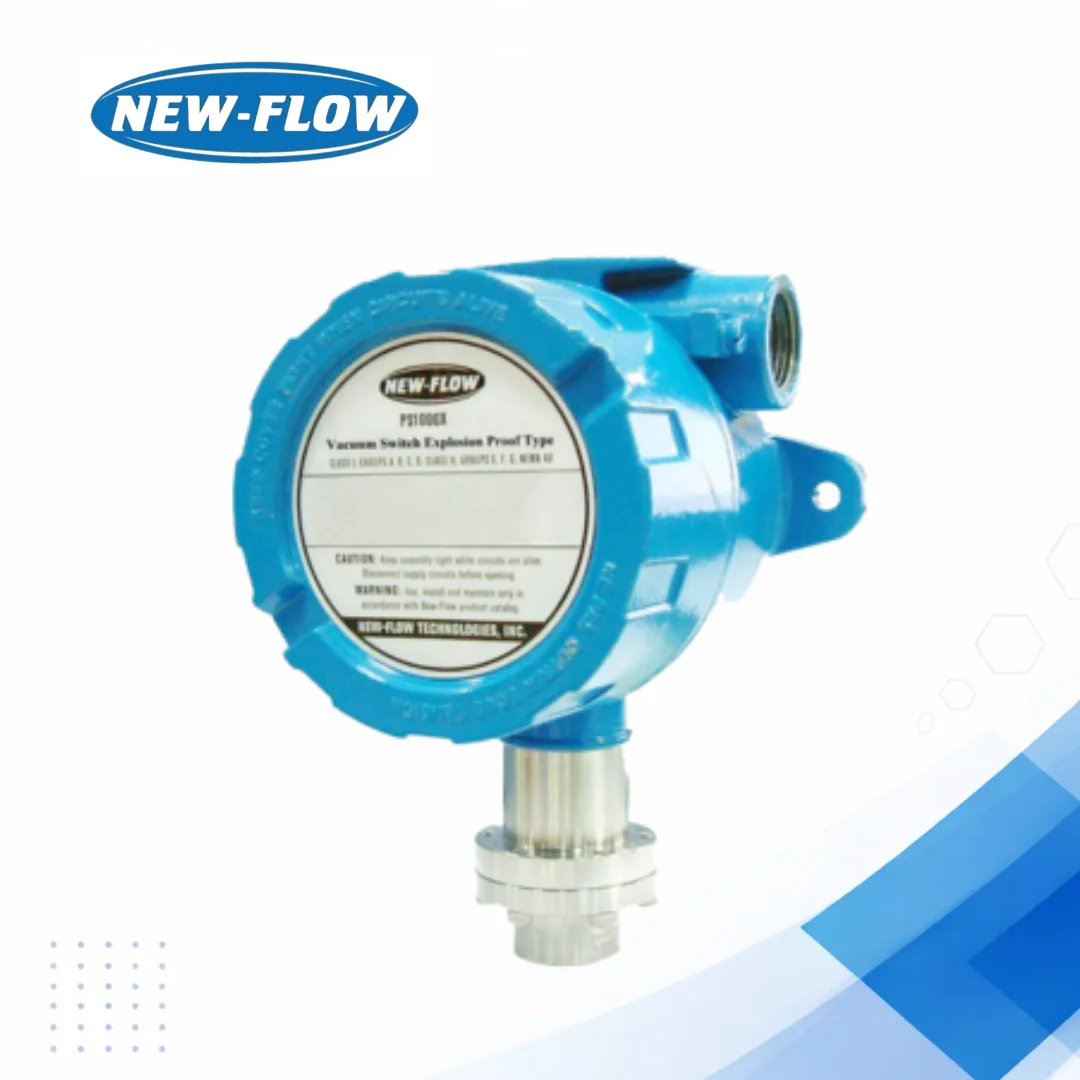
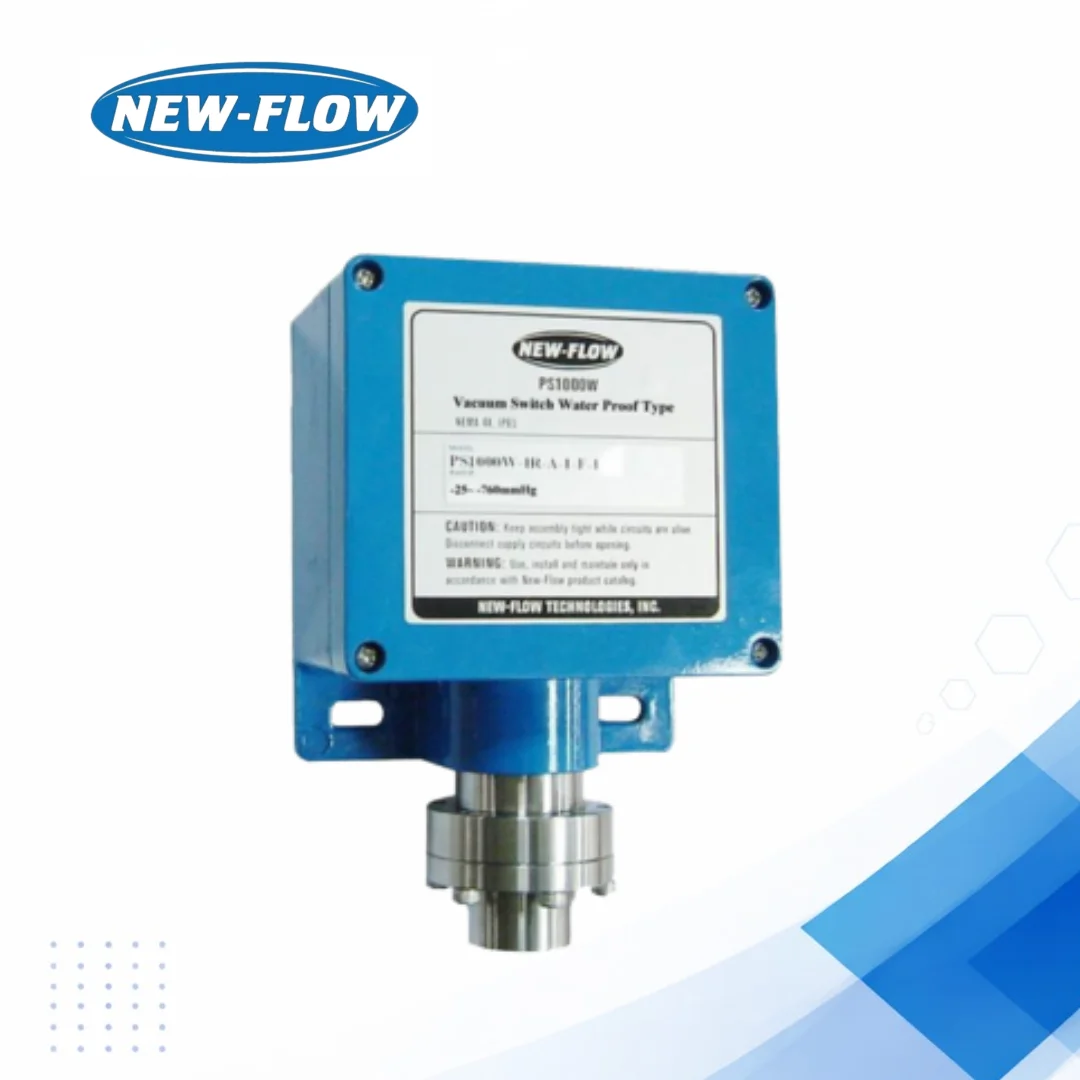
DT108 is a high-performance diaphragm pressure transmitter specifically designed for demanding industrial environments involving viscous, sticky, or clogging media. Built with corrosion-resistant materials and precision engineering, it delivers reliable pressure measurement where conventional sensors fail. This device is ideal for industries requiring consistent monitoring of thick fluids, slurries, or aggressive substances.
Key Features
- Advanced diaphragm design prevents clogging and buildup
- Compatible with highly viscous and dense process media
- Durable SS316 housing ensures corrosion resistance
- Multiple membrane material options for aggressive environments
- Stable pressure readings across low and moderate pressure ranges
Application
DT108 is widely used in industries where traditional pressure sensors struggle due to fluid thickness or contamination. Typical applications include chemical processing, food and beverage production, pharmaceutical manufacturing, and slurry handling systems. It is especially effective in environments where media tends to solidify, crystallize, or block standard pressure ports.
Design & Functionality
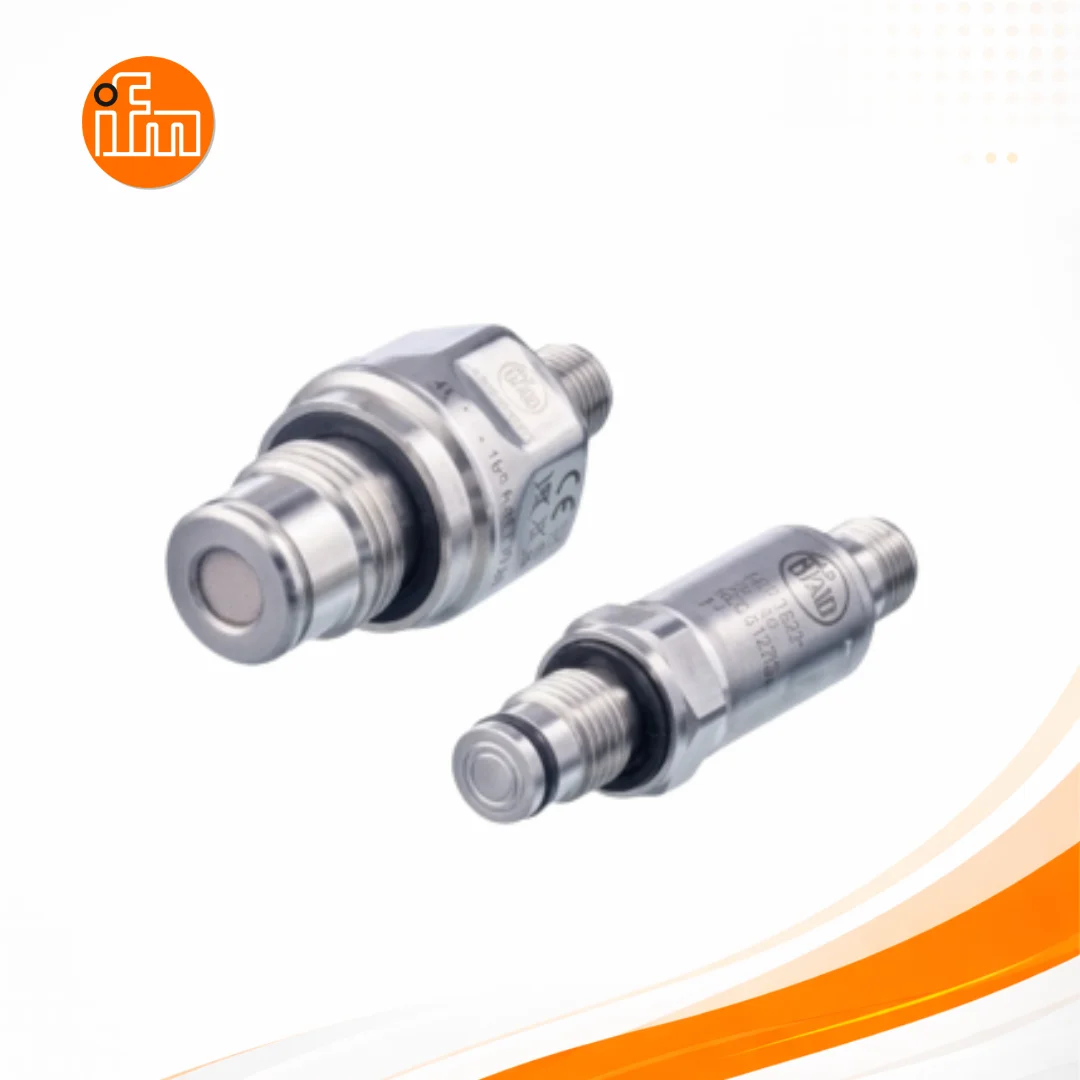
The transmitter utilizes a diaphragm isolation system that separates the sensing element from the process media. This design eliminates direct exposure to viscous substances, ensuring smooth operation and reducing maintenance requirements. The sealed structure enhances durability while maintaining measurement accuracy.
Total Crossed Beams
The internal sensing mechanism is engineered to provide consistent pressure distribution across the diaphragm surface. This ensures stable readings even under fluctuating process conditions, improving measurement integrity in complex industrial systems.
Beam Pitch Options
DT108 supports optimized structural spacing within the sensing assembly, allowing efficient response to pressure changes. This contributes to faster signal transmission and improved responsiveness, even in dense or slow-moving fluids.
Intrinsic Synchronism
The transmitter maintains synchronized pressure detection and signal output, ensuring real-time monitoring accuracy. This intrinsic balance enhances system control and reduces lag in process automation environments.
Operational Advantages
- Minimizes downtime caused by clogging or sensor failure
- Enhances process efficiency with accurate monitoring
- Reduces maintenance costs in harsh environments
- Supports long-term operation with durable materials
- Improves safety in high-pressure viscous applications