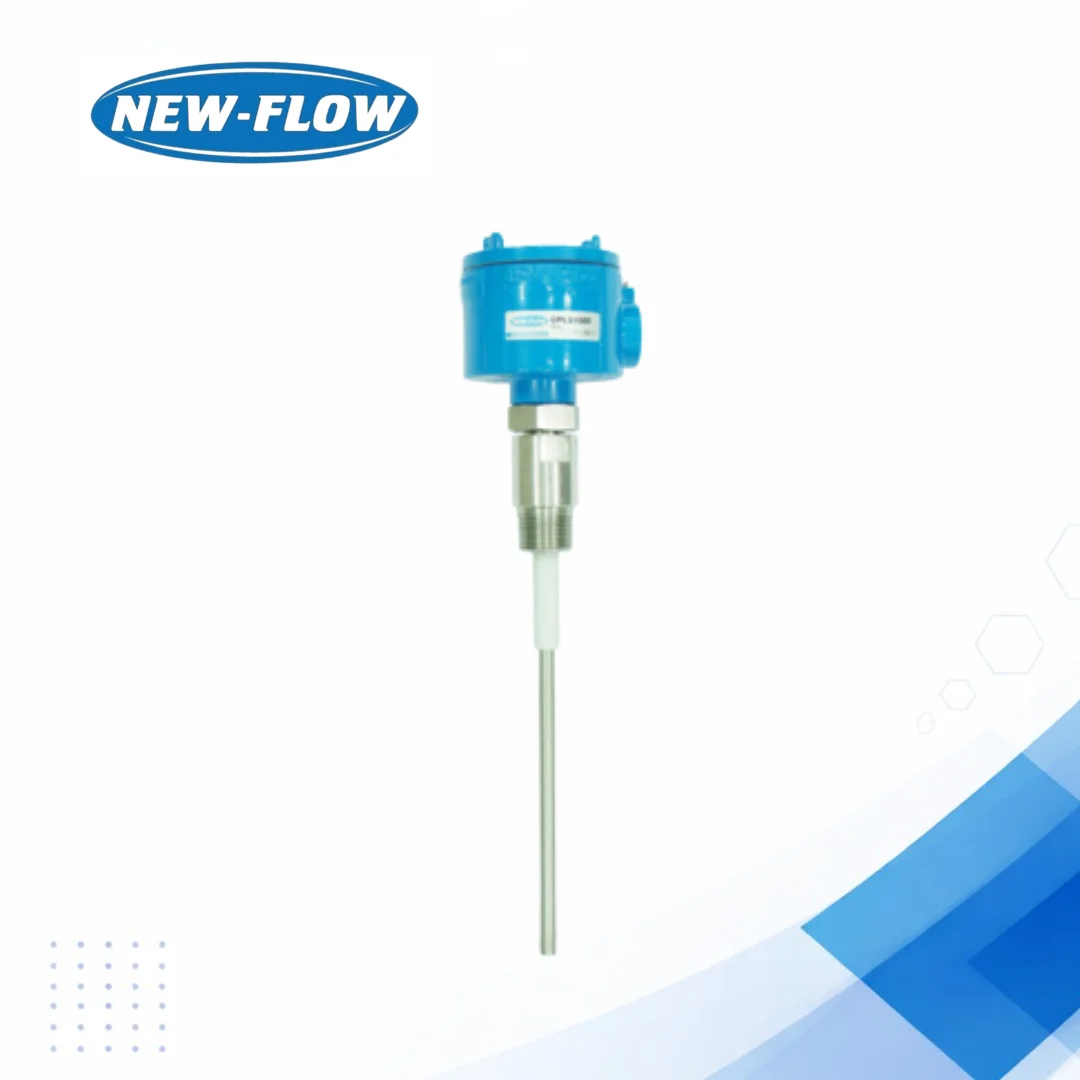
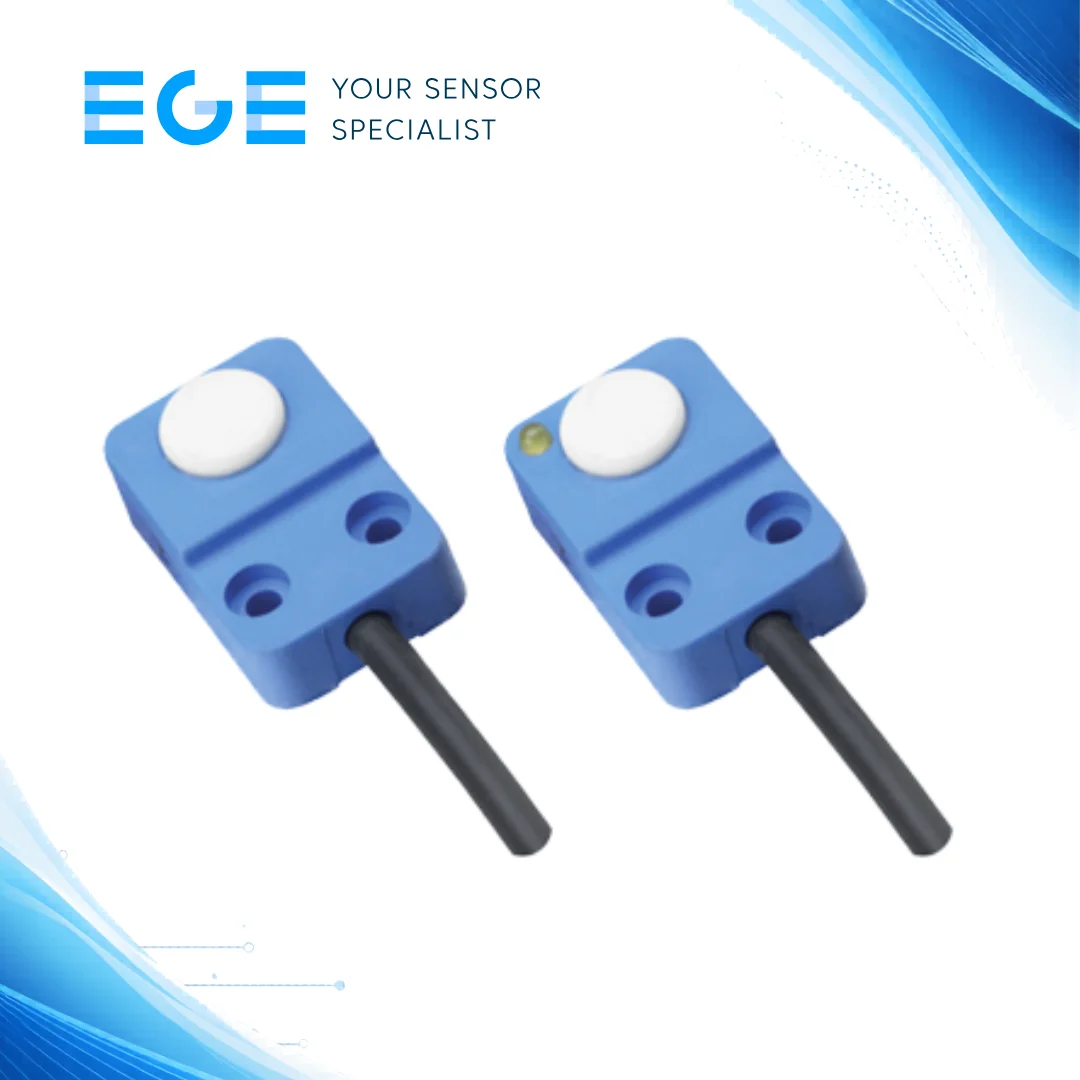
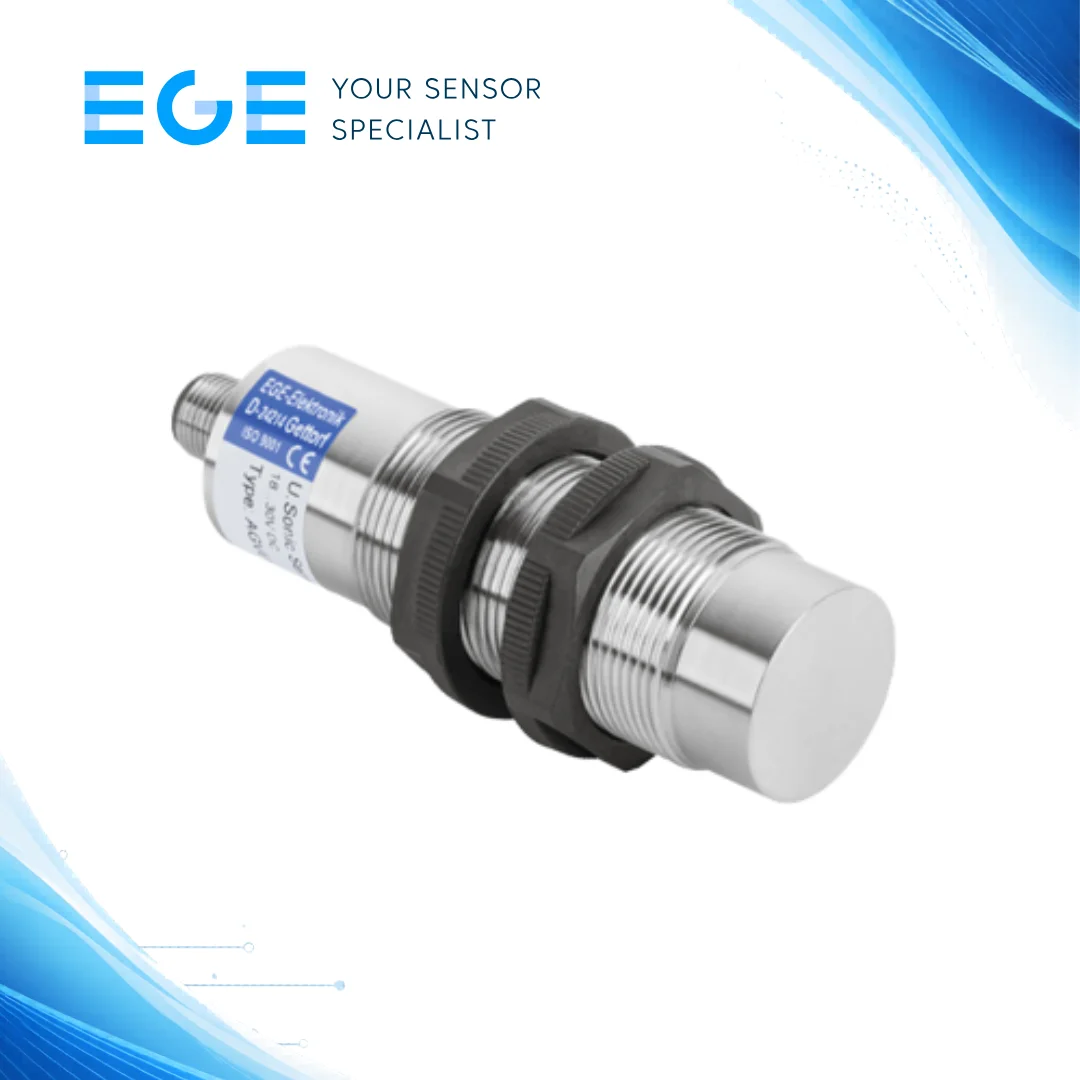
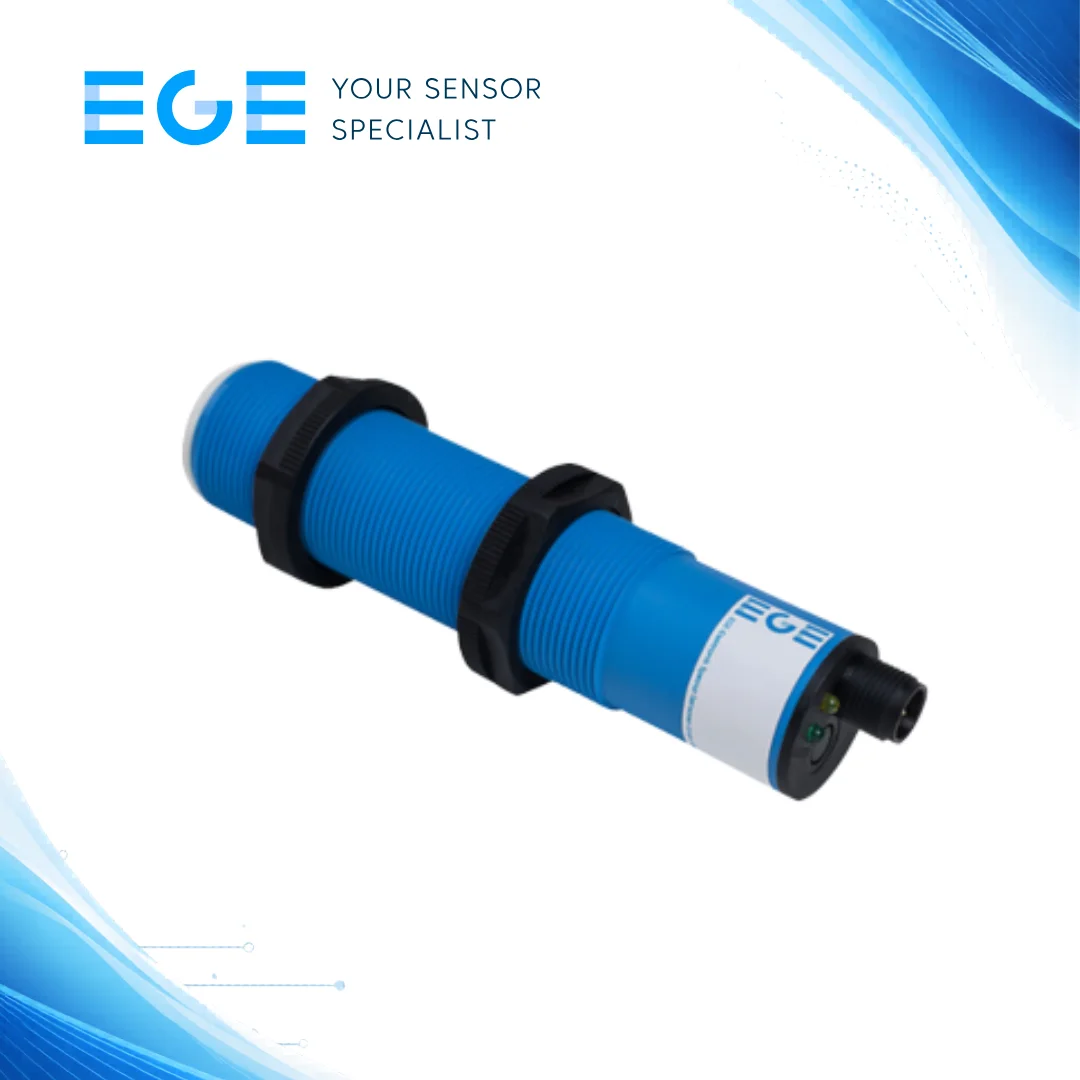
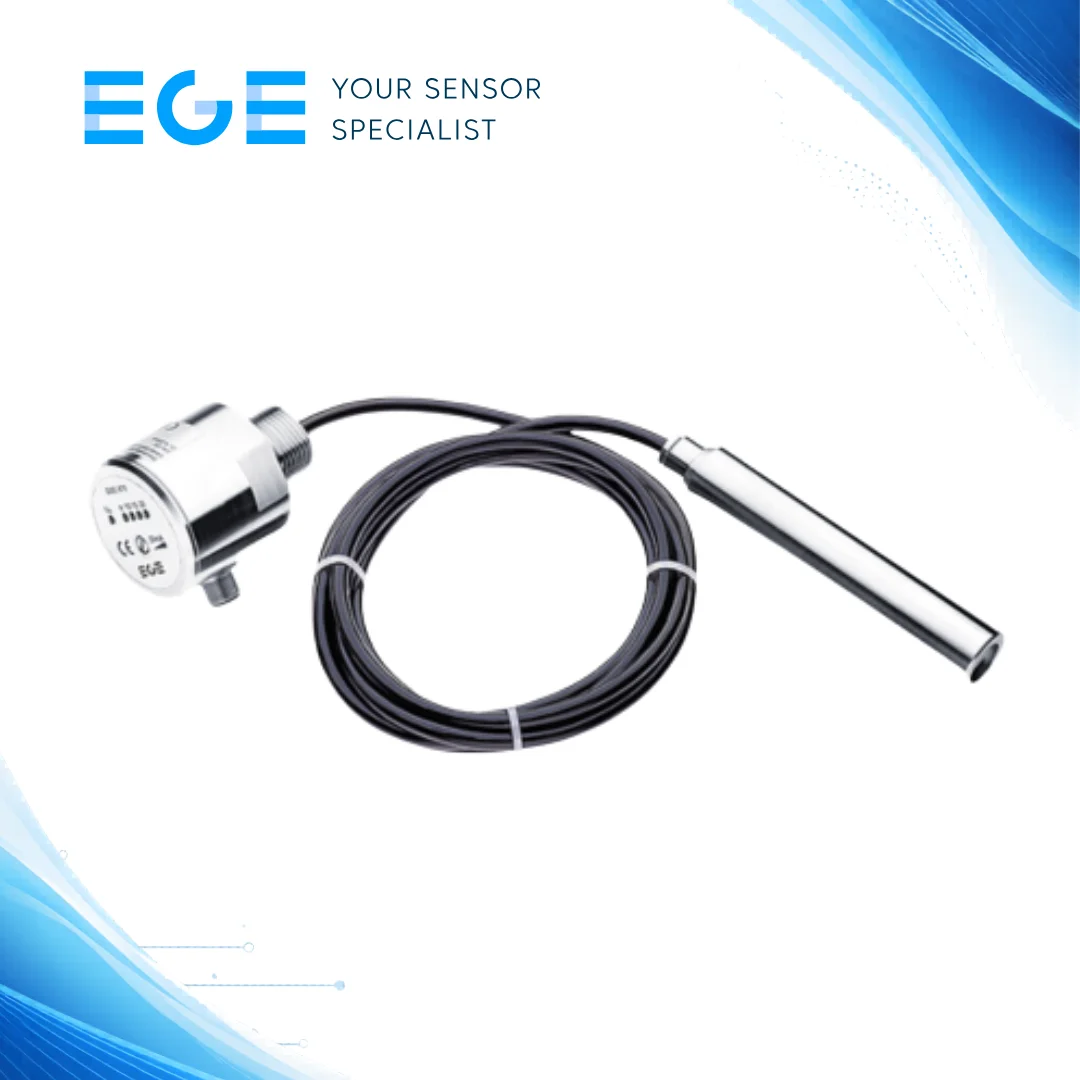
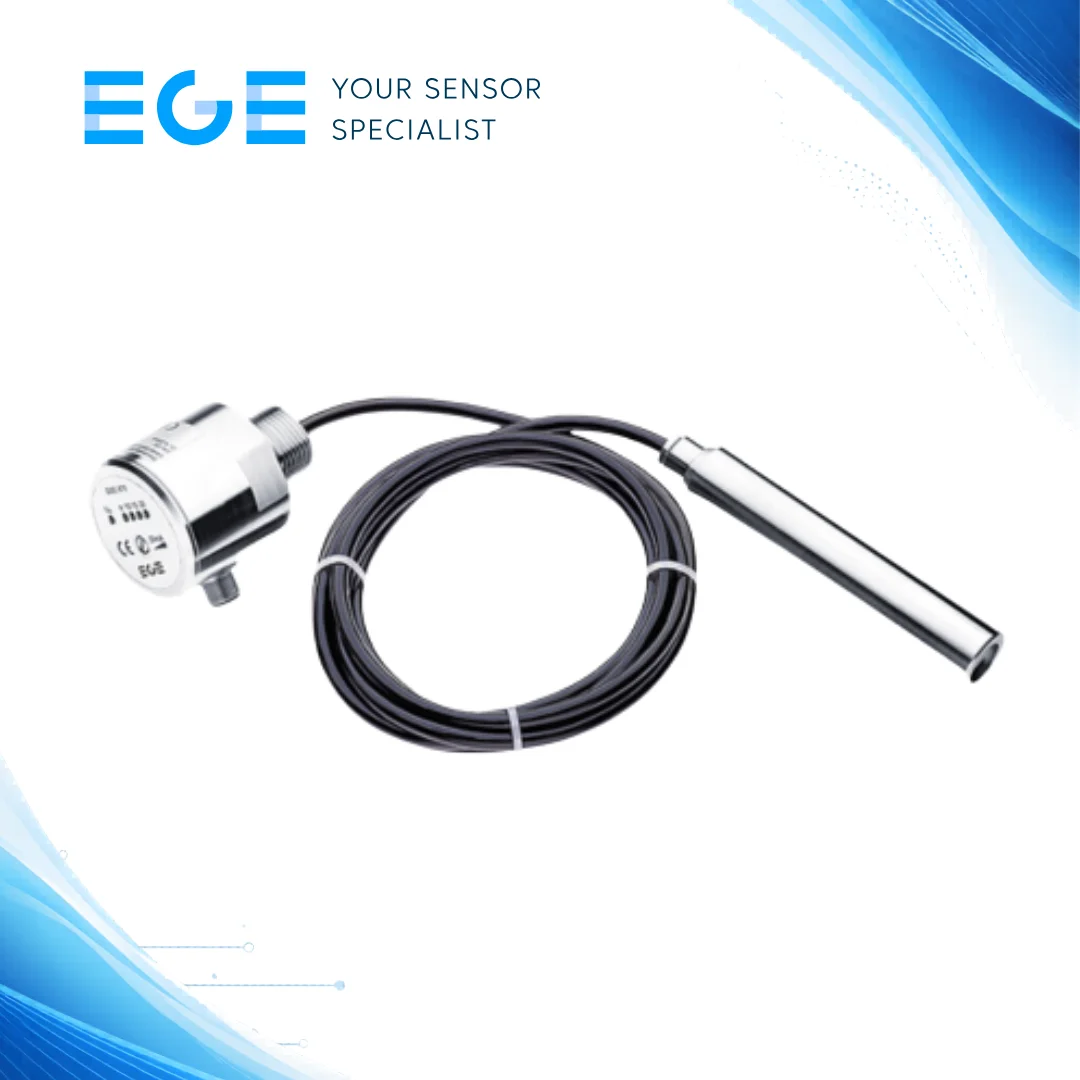
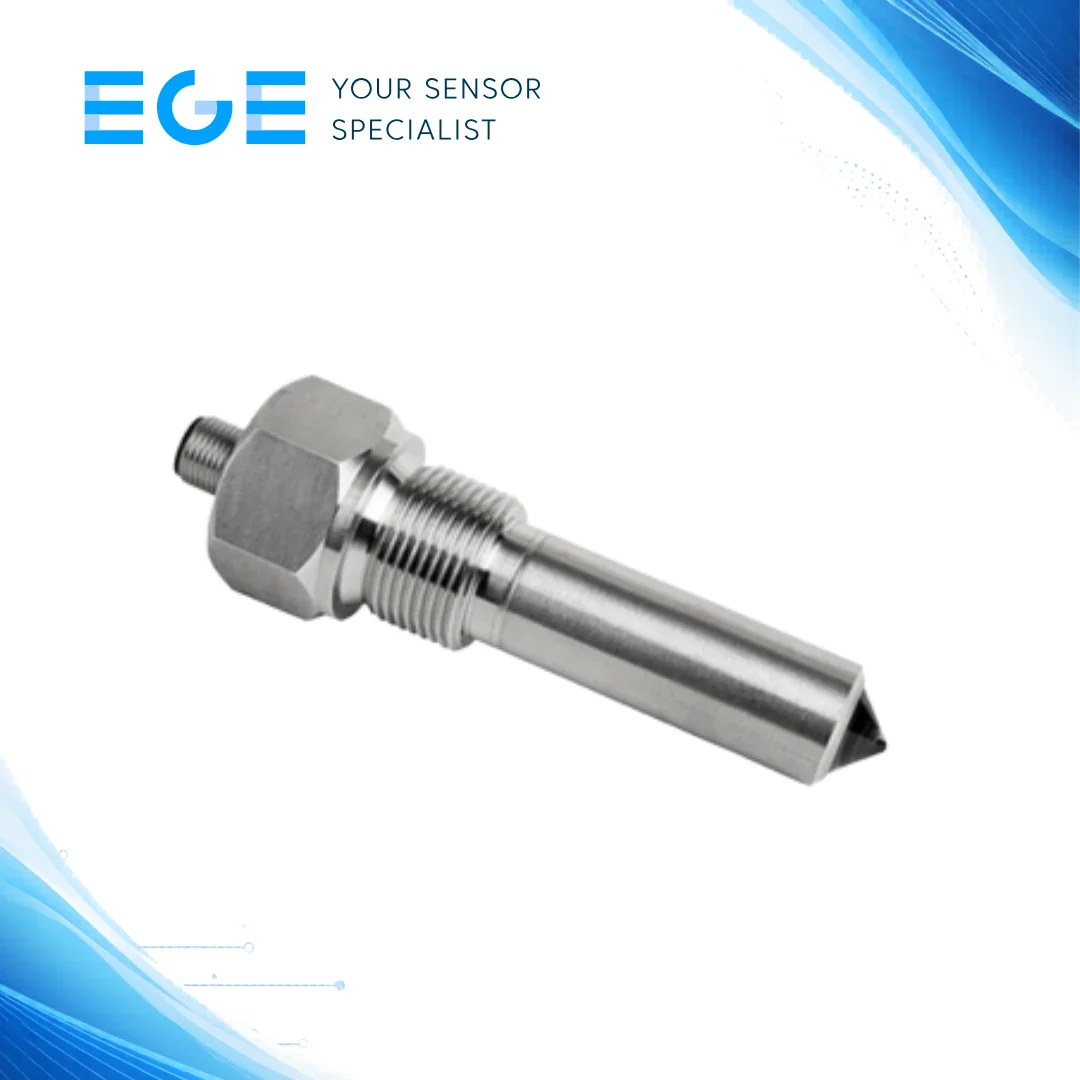
CPLS1000 is an advanced capacitive level switch engineered for accurate and stable liquid level detection in industrial environments. Built with high sensitivity technology, it enables precise monitoring across tanks, pipelines, and storage systems. Its non-mechanical design eliminates wear and tear, making it a reliable solution for continuous operation in demanding process industries.
Key Features
- No moving parts for long-lasting performance
- Adjustable operating sensitivity for varied applications
- Compatible with multiple power supply options
- High contact reliability with SPDT output
- Easy installation with minimal setup requirements
Application
CPLS1000 is widely used in industries requiring precise level monitoring such as chemical processing, water treatment, food manufacturing, and oil handling systems. It effectively detects liquid presence, prevents overflow conditions, and supports automated control systems. Its adaptability makes it suitable for both conductive and non-conductive liquids.
Design & Functionality
Designed for efficiency, CPLS1000 uses capacitive sensing technology to detect changes in dielectric properties when liquid levels shift. This ensures accurate switching without physical contact with moving components. The compact structure allows installation in confined industrial setups while maintaining consistent performance.
Total Crossed Beams
The CPLS1000 operates on a stable sensing field, ensuring consistent detection across the defined sensing zone. This eliminates false triggering and improves reliability in dynamic fluid environments.
Beam Pitch Options
With adjustable sensitivity settings, the device allows fine-tuning of detection thresholds. This flexibility ensures compatibility with different liquid types and tank configurations.
Intrinsic Synchronism
The internal design maintains synchronized sensing performance, reducing signal interference and ensuring stable operation even in fluctuating industrial conditions.
Operational Advantages
CPLS1000 enhances operational efficiency by reducing downtime and maintenance costs. Its non-contact detection method prevents mechanical failures, while its reliable switching output ensures seamless integration with automation systems. This makes it a preferred choice for industries aiming for precision, durability, and long-term performance in level monitoring applications.